
Tokyo is one of those cities where choosing your neighborhood can completely change the experience of your trip. Deciding where to stay in Tokyo is not simply about finding a hotel near famous attractions. Each part of the city has its own personality, from the glowing skyscrapers and late-night streets of Shinjuku to the temples and traditional shops of Asakusa. Tokyo combines Japanese history, extraordinary food, modern technology, peaceful gardens, shopping districts, museums, nightlife, and some of the world’s most efficient public transportation. You can spend the morning walking through an old temple district, eat sushi for lunch, shop for Japanese fashion in the afternoon, and finish your evening overlooking a futuristic skyline.
Tokyo is also an excellent city to visit throughout the year. Spring brings cherry blossoms and comfortable sightseeing weather, while autumn offers cooler temperatures and colorful foliage. Summer is hot and humid but comes with festivals, fireworks, and long evenings, while winter tends to be crisp, relatively dry, and excellent for travelers who prefer cooler weather. The best place to stay depends on whether you are visiting for the first time, traveling with children, looking for nightlife, planning day trips, or simply hoping to experience a quieter side of Japanese life. After exploring different parts of Tokyo myself through repeated trip planning, one thing becomes clear: there is no single perfect neighborhood for everyone. The right area is the one that makes the kind of Tokyo experience you want easier.
If you want to explore beyond Tokyo after choosing your base, our guide to the hidden gems in Japan covers beautiful destinations away from the usual tourist route.
Where to Stay in Tokyo: Quick Recommendations
If you want a fast answer before reading the full guide, these are some of the strongest choices:
| Area | Best For | Atmosphere |
|---|---|---|
| Shinjuku | First-time visitors, transport, nightlife | Energetic and convenient |
| Shibuya | Young travelers, shopping, nightlife | Trendy and lively |
| Ginza | Luxury travelers, couples, shopping | Elegant and polished |
| Tokyo Station & Marunouchi | Day trips, business travelers, convenience | Central and sophisticated |
| Asakusa | Traditional Japan, culture, budget-conscious travelers | Historic and relaxed |
| Ueno | Families, museums, value | Local and convenient |
| Odaiba & Toyosu | Families with children | Spacious and modern |
| Ebisu | Couples, food lovers, repeat visitors | Relaxed and stylish |
| Roppongi | Nightlife, art, international travelers | Cosmopolitan |
| Kichijoji | Longer stays, quiet neighborhoods | Residential and laid-back |
For many travelers wondering where to stay in Tokyo, Shinjuku is the easiest all-around choice because of its transportation connections, restaurants, entertainment, shopping, and large range of hotels. Families may prefer Ueno, Odaiba, Toyosu, or quieter parts of Asakusa, while couples looking for an upscale stay may enjoy Ginza or Marunouchi.
1. Shinjuku — Best Overall Area for First-Time Visitors
Shinjuku is one of my first recommendations when someone asks where to stay in Tokyo first time. It delivers much of what people imagine Tokyo will look and feel like before they arrive: giant signs, neon streets, department stores, tiny restaurants, skyscrapers, entertainment districts, and enormous train stations. Staying here puts an incredible selection of restaurants and shops within walking distance, while its railway connections make exploring other parts of Tokyo much easier. You can spend a morning visiting Meiji Shrine or Shinjuku Gyoen, explore Harajuku during the afternoon, return to your hotel for a break, and still have dozens of places for dinner nearby.
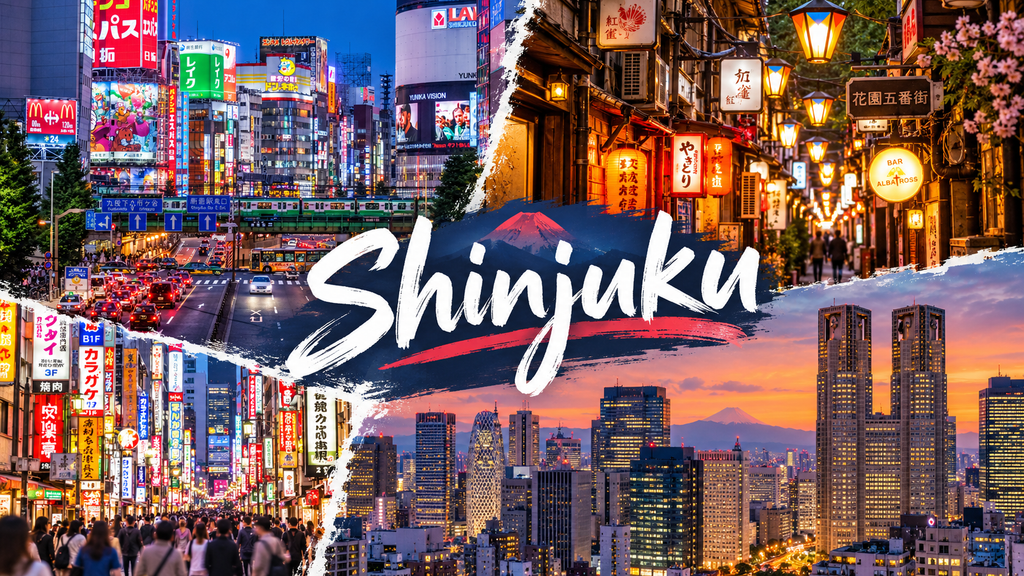
The main disadvantage is intensity. Shinjuku Station is enormous, and on my first few encounters with stations of this scale in Japan, I found that knowing the name of the correct exit was sometimes more useful than simply knowing the station itself. Travelers who prefer peaceful streets should consider staying on the western side of Shinjuku rather than directly around Kabukicho. West Shinjuku is dominated by office towers and major hotels and becomes noticeably calmer at night. For travelers researching the best neighborhood to stay in Tokyo, Shinjuku deserves serious consideration because it offers one of the best combinations of transportation, food, accommodation, shopping, and entertainment.
Best for: first trips, nightlife, shopping, couples, solo travelers
Less ideal for: travelers who strongly prefer quiet residential surroundings
2. Shibuya — Best for Energy, Shopping and Nightlife
Shibuya feels like modern Tokyo operating at full speed. Its famous scramble crossing has become one of Japan’s most recognizable urban scenes, but Shibuya is more than that single intersection. The surrounding streets are packed with restaurants, department stores, fashion boutiques, cafés, music venues, and new commercial complexes. Travelers who enjoy exploring after dinner will appreciate being able to walk back to their hotel instead of worrying about catching the last train from another nightlife district. If your Tokyo trip revolves around food, fashion, street culture, photography, or entertainment, Shibuya is a particularly convenient base.
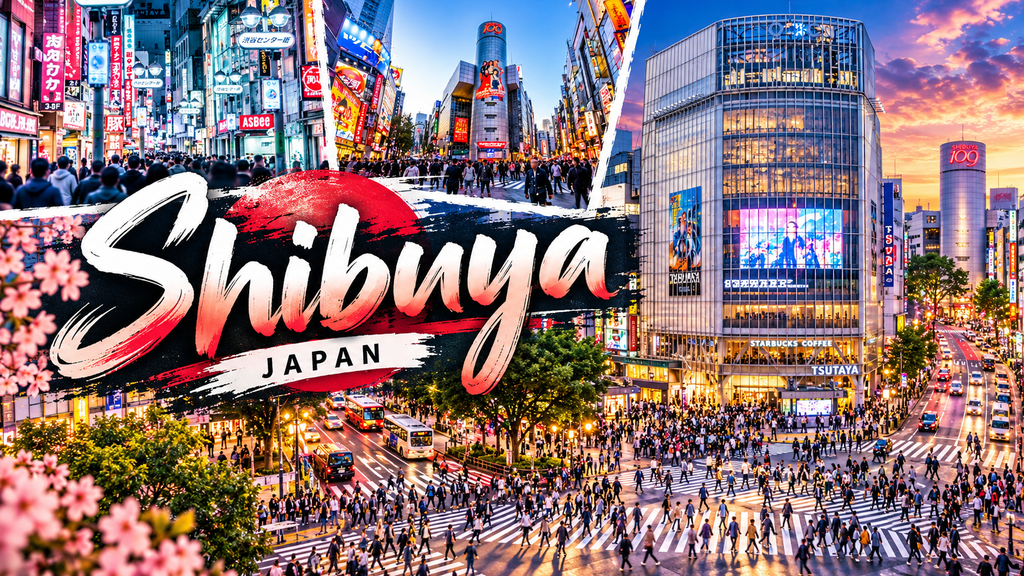
For travelers wondering where to stay in Tokyo, Shibuya works especially well for couples, younger visitors, solo travelers, and anyone who enjoys a busy atmosphere. I particularly like its location because areas such as Harajuku, Omotesando, Daikanyama, and Ebisu are nearby, allowing you to experience several very different Tokyo neighborhoods without spending much time traveling between them. However, hotel rooms around central Shibuya can be expensive, and the area can remain busy late into the evening. Families with small children may prefer a calmer district unless being centrally located is their highest priority.
Best for: shopping, nightlife, young couples, restaurants, repeat visitors
Less ideal for: light sleepers and travelers seeking traditional surroundings
3. Ginza — Best for Luxury Hotels and Upscale Shopping
Ginza is Tokyo at its most refined. Wide streets, flagship stores, department stores, galleries, restaurants, and polished architecture give the district a very different feeling from the intense streets of Shinjuku or Shibuya. If you are searching for some of the best hotels in Tokyo, Japan, Ginza and its surrounding districts deserve a close look. The location is central, transportation is excellent, and destinations such as Tsukiji, the Imperial Palace area, Marunouchi, and Tokyo Station are relatively close.
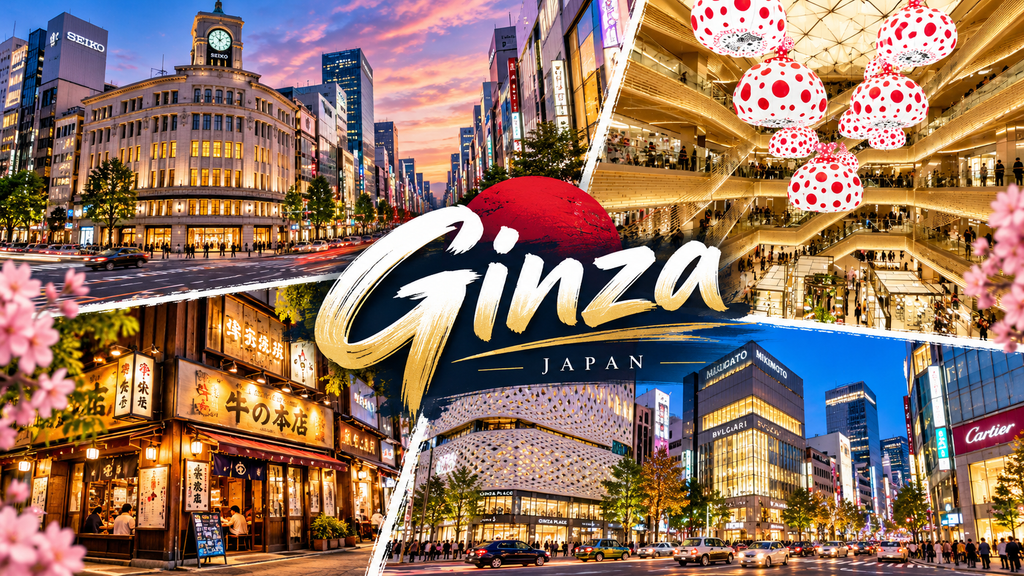
I particularly like Ginza for couples and travelers celebrating an anniversary, honeymoon, birthday, or another special occasion. Even if you do not plan to shop at luxury boutiques, the streets are pleasant to explore and contain plenty of cafés, restaurants, bakeries, and Japanese department-store food halls. Ginza can also feel calmer at night than Shibuya or Shinjuku. The main drawback is price: accommodation and dining can be more expensive than in areas such as Ueno or Asakusa. Still, when people ask me where to stay in Tokyo for comfort, location, excellent dining, and a sophisticated atmosphere, Ginza usually makes the shortlist.
Best for: couples, luxury trips, shopping, food, business travelers
Less ideal for: travelers on a tight accommodation budget
4. Asakusa — Best for Traditional Tokyo
Asakusa gives travelers something many modern Tokyo neighborhoods cannot: a strong sense of the city’s older character. Sensoji Temple, Kaminarimon Gate, Nakamise shopping street, traditional snack shops, crafts, small restaurants, and views toward Tokyo Skytree create an atmosphere that feels very different from western Tokyo. It is one of my favorite areas for early-morning walks because visiting Sensoji before the busiest sightseeing hours allows you to appreciate the temple grounds at a much gentler pace.
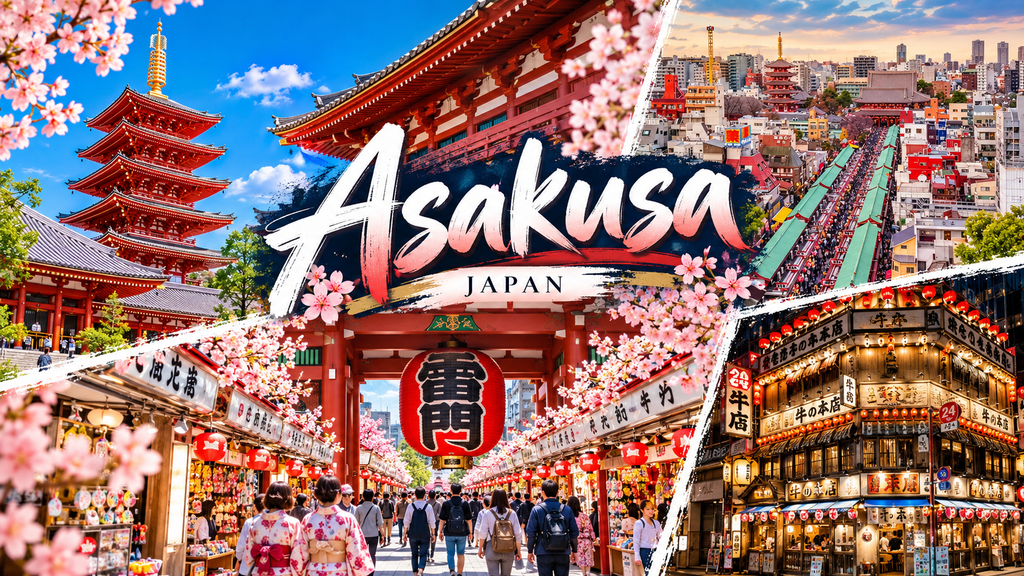
Asakusa is also worth considering when deciding where to stay in Tokyo first time, particularly if history and Japanese culture are more important to you than nightlife. The area contains conventional hotels, hostels, guesthouses, and Japanese-style accommodations. Travelers searching for the best ryokan in Tokyo often begin around Asakusa because the district’s traditional atmosphere complements a ryokan stay especially well. Transport connections are good, although reaching some western neighborhoods such as Shinjuku can take longer than from more centrally positioned districts.
Best for: culture, temples, traditional atmosphere, couples, budget-conscious travelers
Less ideal for: travelers whose priority is Shibuya or Shinjuku nightlife
5. Ueno — Best for Families, Museums and Good Value
Ueno is sometimes overlooked by travelers who immediately focus on Shinjuku or Shibuya, but it is one of Tokyo’s most practical bases. Ueno Park places major museums, cultural institutions, green space, and a zoo in one large area, while nearby Ameyoko provides a completely different experience filled with shops, street food, restaurants, and market energy. Transport connections are another major strength, particularly for visitors who plan to explore northern Tokyo or travel onward outside the city.
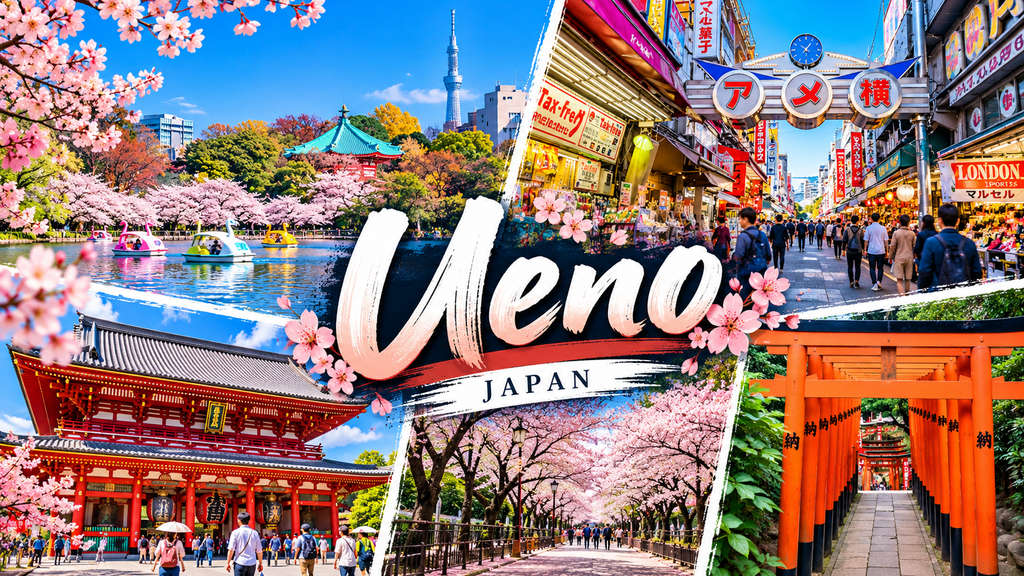
For anyone researching where to stay in Tokyo with family, Ueno deserves a place near the top of the list. Children have room to move around in the park, and families can combine museums and outdoor attractions without crossing the entire city. I also find Ueno easier to digest than Shinjuku after a long sightseeing day. It still feels unmistakably urban, but many streets are less overwhelming. Families comparing the best hotels in Tokyo for families should examine room size as well as price, because Tokyo hotel rooms can be compact. A slightly larger room in Ueno may ultimately be more comfortable than a more fashionable but much smaller room elsewhere.
Best for: families, museums, parks, value, railway connections
Less ideal for: luxury nightlife and high-end fashion
6. Tokyo Station and Marunouchi — Best for Transportation and Day Trips
Few locations can compete with the convenience of staying around Tokyo Station and Marunouchi. This part of the city is particularly useful if your itinerary includes the Shinkansen or several day trips outside Tokyo. Instead of carrying luggage across multiple subway lines before catching a high-speed train, you can stay within walking distance or a short ride of one of Japan’s most important transport hubs. Marunouchi itself is filled with impressive office towers, hotels, restaurants, shopping centers, and beautifully maintained streets.
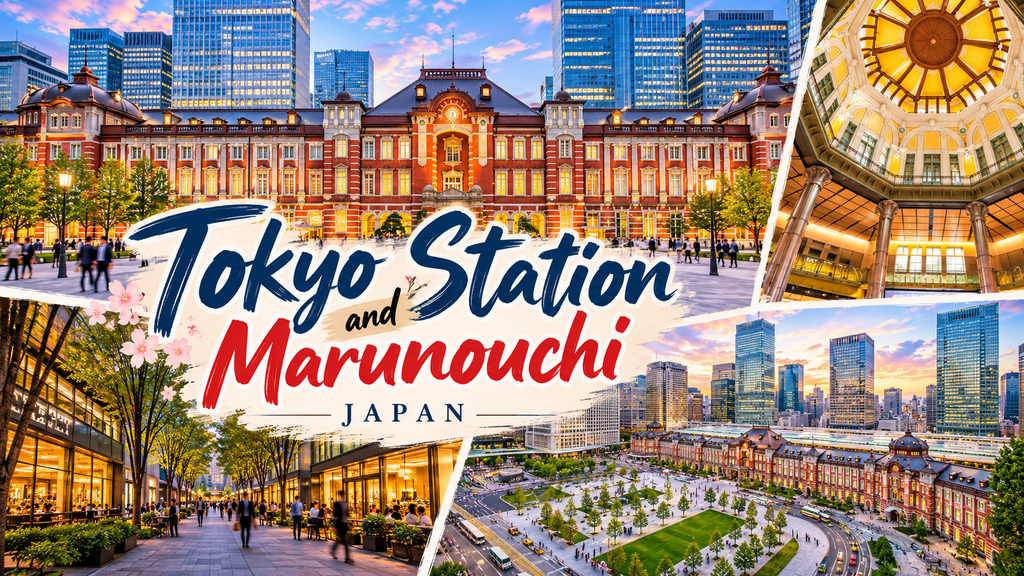
If someone asks me where to stay in Tokyo for a short trip of three or four nights, I often suggest looking here. Saving 20 or 30 minutes of transportation several times per day can make a noticeable difference when your schedule is packed. The Imperial Palace area, Ginza, Nihonbashi, and several commercial districts are nearby as well. The atmosphere is more businesslike than Shibuya and less traditional than Asakusa, so travelers seeking energetic nightlife may find it too restrained. For convenience, however, it is difficult to beat.
Best for: Shinkansen trips, business travelers, first-time visitors, short stays
Less ideal for: nightlife-focused travelers
7. Odaiba and Toyosu — Best for Families With Children
Families wondering where to stay in Tokyo with kids should look beyond the most obvious tourist neighborhoods. Odaiba and Toyosu offer a more spacious side of the city, with waterfront areas, modern developments, family attractions, shopping centers, and broad pedestrian spaces. Compared with Shinjuku’s crowded streets, the atmosphere can feel considerably easier when traveling with strollers or young children.
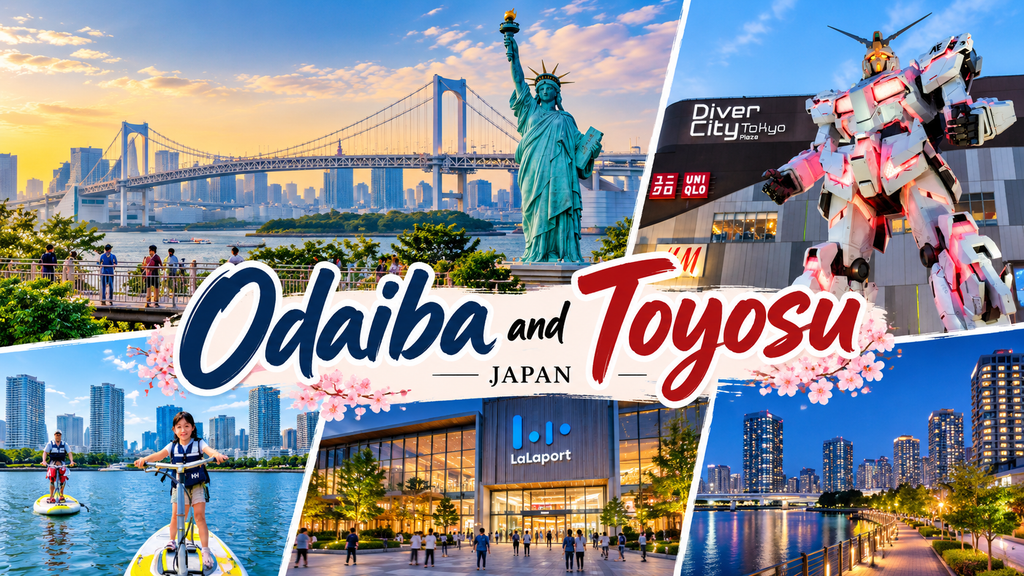
These areas are particularly interesting for travelers deciding where to stay in Tokyo with family when comfort and family activities matter more than nightlife. Depending on your itinerary, staying here may mean longer journeys to western Tokyo attractions, so I would not automatically recommend it to every first-time visitor. But families planning several days of child-friendly activities may appreciate the calmer environment. Personally, I would choose a larger hotel room near convenient transport over squeezing a family into a tiny room simply to stay in the middle of Shibuya.
Best for: young children, waterfront views, families, modern attractions
Less ideal for: travelers who want to walk to Tokyo’s classic central neighborhoods
8. Ebisu — Best for Food Lovers and Couples
Ebisu is a great example of a Tokyo neighborhood that feels central without feeling overwhelmingly touristy. It sits close to Shibuya but has a noticeably more relaxed personality, with restaurants, cafés, bars, and residential streets creating a comfortable balance between local life and city convenience. Travelers who have already experienced Tokyo’s biggest tourist districts may especially appreciate the slower pace.
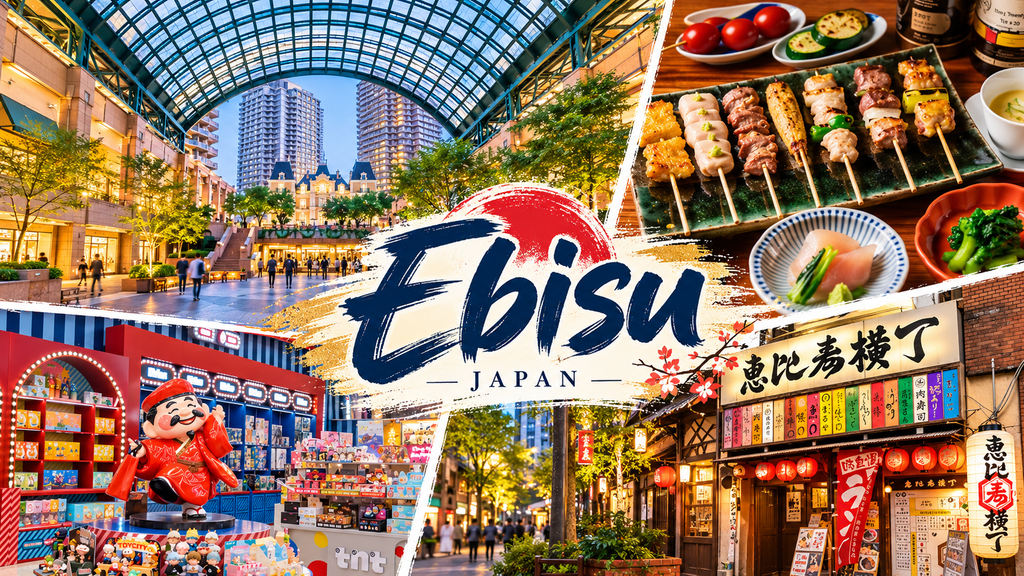
I often recommend Ebisu to couples who are less interested in famous tourist landmarks outside their hotel door and more interested in enjoyable evenings, good food, and easy transportation. You can spend the day sightseeing elsewhere and return to a neighborhood that feels more manageable at night. When considering where to stay in Tokyo, remember that convenience does not always mean staying beside the city’s busiest attraction. Sometimes being one or two stations away provides a much more comfortable experience.
Best for: couples, restaurants, repeat visitors, relaxed nightlife
Less ideal for: travelers who want major landmarks immediately outside the hotel
9. Roppongi — Best for Art, Nightlife and International Dining
Roppongi has long been associated with nightlife, but the neighborhood has evolved into one of Tokyo’s major centers for art, dining, architecture, and international culture. Large developments, museums, observation areas, upscale restaurants, bars, and international businesses give it a cosmopolitan character that feels different from both traditional Asakusa and youth-oriented Shibuya.
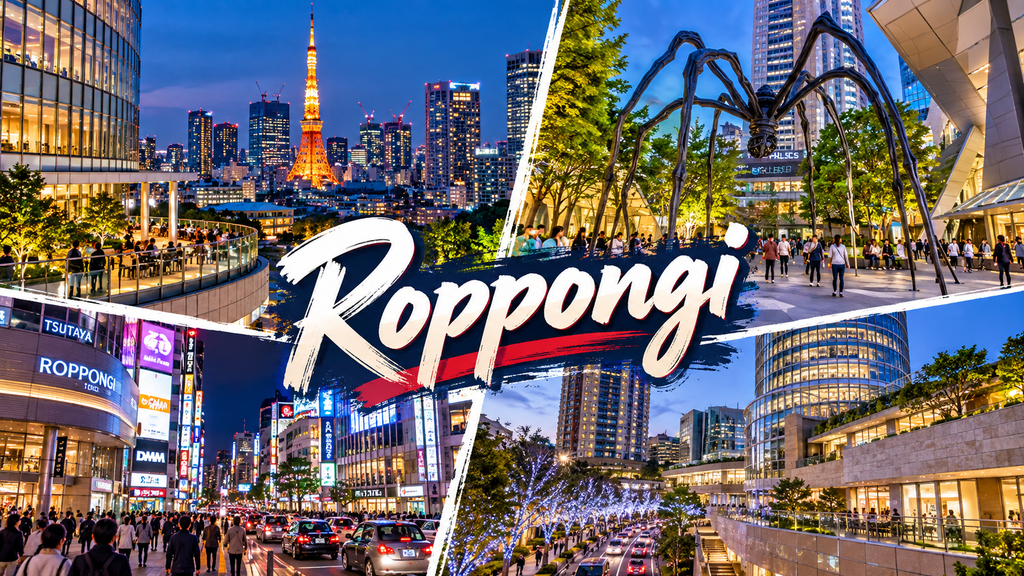
Roppongi can work especially well for couples and international travelers who want restaurants and nightlife nearby. English is relatively common in tourism-focused establishments, which can make the area comfortable for visitors on their first trip to Japan. On the other hand, families or travelers looking for traditional Tokyo scenery may prefer Ueno or Asakusa. Hotel prices also tend toward the middle and upper ranges.
Best for: nightlife, museums, art, upscale hotels, international restaurants
Less ideal for: travelers seeking traditional Japanese streets
10. Kichijoji — Best for a Quieter, More Local Tokyo Experience
Kichijoji is an appealing option for travelers who want to see what Tokyo feels like beyond its busiest central districts. Its combination of shopping streets, restaurants, residential neighborhoods, and nearby Inokashira Park creates an environment that feels both active and relaxed. The area works particularly well for longer stays because everyday conveniences are readily available without the constant crowds found around Tokyo’s biggest sightseeing areas.
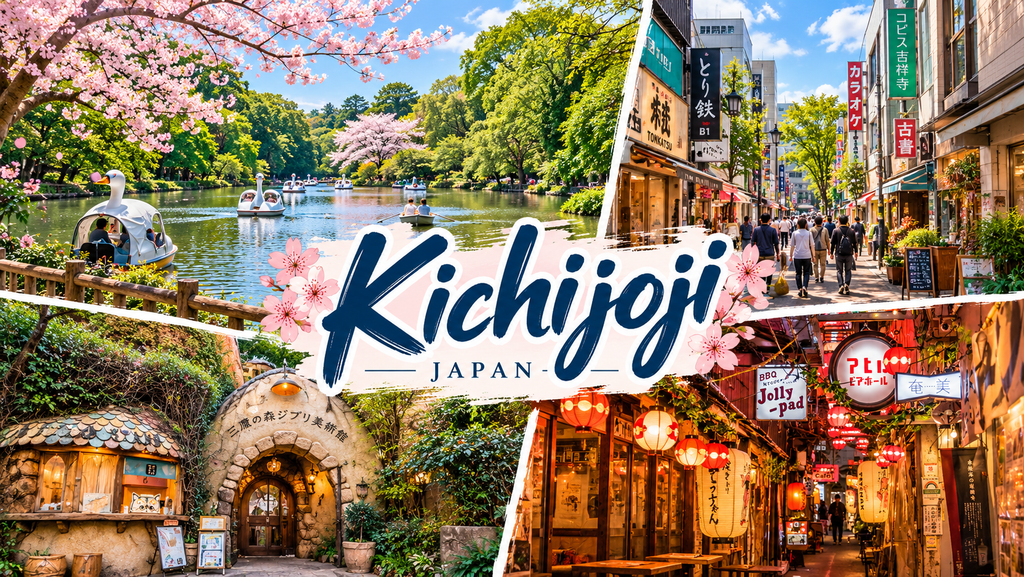
I would not necessarily choose Kichijoji for a first three-day Tokyo trip, but it becomes far more attractive for repeat visitors or travelers staying a week or longer. Sometimes the best neighborhood to stay in Tokyo is not the one with the highest concentration of landmarks but the neighborhood where you actually enjoy beginning and ending each day. Kichijoji offers that kind of balance.
Best for: longer stays, repeat visitors, parks, local atmosphere
Less ideal for: short trips built around central Tokyo sightseeing
Where to Stay in Tokyo First Time
For most first-time visitors, I would narrow the choices to Shinjuku, Shibuya, Tokyo Station, Ginza, Asakusa, and Ueno.
Choose Shinjuku if you want maximum transport convenience, shopping, nightlife, and a large selection of restaurants. Choose Shibuya if modern Tokyo, fashion, entertainment, and evening activity are central to your trip. Choose Tokyo Station if you plan several day trips or want simple access to the Shinkansen. Ginza works beautifully for travelers seeking a more upscale experience, while Asakusa suits travelers interested in history and traditional Japanese atmosphere.
For people researching where to stay in Tokyo first time, I would avoid choosing solely based on hotel price. A cheaper hotel far from a convenient railway or subway station may cost you significant time every day. Tokyo is enormous, and reducing unnecessary transfers can make the city much more enjoyable.
What Is the Best Neighborhood to Stay in Tokyo?
So, what is the best neighborhood to stay in Tokyo? There is no universal answer, but there is a clear answer for different kinds of travelers.
Shinjuku is the strongest all-around option.
Shibuya is excellent for nightlife and younger travelers.
Ginza works well for luxury and shopping.
Asakusa is ideal for traditional atmosphere.
Ueno is excellent for families and museums.
Tokyo Station/Marunouchi is particularly convenient for day trips.
Odaiba and Toyosu can be comfortable for families with younger children.
Ebisu suits couples and food lovers who want something quieter.
If I were helping a friend choose the best neighborhood to stay in Tokyo for a first trip without knowing anything else about their preferences, I would probably tell them to begin by comparing Shinjuku, Tokyo Station, and Ginza. Then I would adjust according to budget and interests.
Tokyo’s official tourism guide divides the city into distinct areas, including Shinjuku, Shibuya, Asakusa, Ueno, Roppongi, Ebisu, Odaiba, Toyosu, and Kichijoji, which is useful when comparing neighborhoods before booking accommodation.
Where to Stay in Tokyo With Family
Choosing where to stay in Tokyo with family requires slightly different priorities from choosing accommodation for a couple or solo traveler. Room size, elevator access, nearby convenience stores, easy train connections, breakfast options, and the number of transfers required each day become much more important.
Ueno is one of the strongest choices because of its parks and museums. Odaiba and Toyosu are worth considering for younger children, while Asakusa can work well for families interested in temples and culture. Shinjuku remains convenient, but parents may prefer staying on the quieter western side rather than directly beside the busiest entertainment streets.
Always check the actual room configuration before booking. A hotel may technically allow four guests but provide sleeping arrangements that are uncomfortable for a family. The best hotels in Tokyo for families are not necessarily the most luxurious; they are the hotels that provide enough space, practical transportation, and suitable beds for everyone.
Best Time of Year to Stay in Tokyo
Spring: March to May
Spring is one of Tokyo’s most popular travel periods, especially around cherry blossom season. Temperatures are generally comfortable for walking, and parks and riverside areas become major attractions.
Demand for accommodation can rise sharply during peak blossom periods, so booking early is sensible if your dates are fixed.
Summer: June to August
Tokyo summers can be hot and humid, with June also associated with the rainy season. If you visit during this period, staying near a train or subway station becomes even more valuable because it reduces long walks in the heat.
Summer also brings festivals and fireworks, making it rewarding for travelers comfortable with warmer conditions.
Autumn: September to November
Autumn gradually brings cooler weather and is another excellent period for outdoor sightseeing. Late autumn foliage adds color to gardens, parks, and temple grounds.
For me, this is one of the most enjoyable seasons for exploring neighborhoods on foot because you can comfortably spend longer periods outside.
Winter: December to February
Winter is cooler and often relatively dry. Seasonal illuminations add atmosphere to districts such as Marunouchi, Shibuya, and Roppongi.
Travelers who do not mind cold weather may enjoy smaller crowds outside the busiest holiday periods and can combine Tokyo with snow destinations elsewhere in Japan.
How to Choose Where to Stay in Tokyo
When comparing accommodation, consider these factors before booking:
- Distance from a station: A hotel five minutes from a useful station can be significantly more convenient than one requiring a long walk.
- Train lines: Check whether your station connects easily with the attractions you actually plan to visit.
- Room size: Tokyo hotel rooms can be smaller than many international travelers expect.
- Nighttime atmosphere: Shinjuku and Shibuya remain active late, while areas such as Marunouchi may become quieter.
- Restaurants nearby: Having good dinner options near your hotel is valuable after a long sightseeing day.
- Family needs: Elevators, laundry facilities, breakfast, larger rooms, and nearby convenience stores can matter considerably.
- Day-trip plans: Staying around Tokyo Station, Shinagawa, or Ueno can simplify certain rail journeys.
- Budget: Staying one or two stations away from the most famous districts may offer better value without sacrificing much convenience.
Final Thoughts: Where Should You Stay in Tokyo?
Ultimately, deciding where to stay in Tokyo comes down to matching your neighborhood with your travel style. Tokyo is not a city with one central tourist zone where every visitor needs to stay. Its neighborhoods are almost like individual cities connected by an extraordinary rail network, and choosing the right one can significantly improve your trip.
For a first visit, Shinjuku offers perhaps the easiest combination of transportation, restaurants, entertainment, and accommodation. Shibuya is excellent if you enjoy nightlife and contemporary culture. Ginza and Marunouchi provide a more polished experience, while Asakusa offers traditional character. Ueno is particularly practical for families, and Odaiba or Toyosu may appeal to parents who value space and family-friendly surroundings.
Personally, I would choose the neighborhood before choosing the hotel. A beautiful hotel in the wrong part of Tokyo can leave you spending too much of your trip commuting, while a comfortable property in the right neighborhood makes mornings, evenings, meals, and sightseeing much easier.
Tokyo rewards exploration. The ideal base is simply the place that allows you to experience more of the city you came to see.
If Japan is only one stop on a larger trip, take a look at our guide to the best places to travel in 2027 for more destination ideas around the world.