
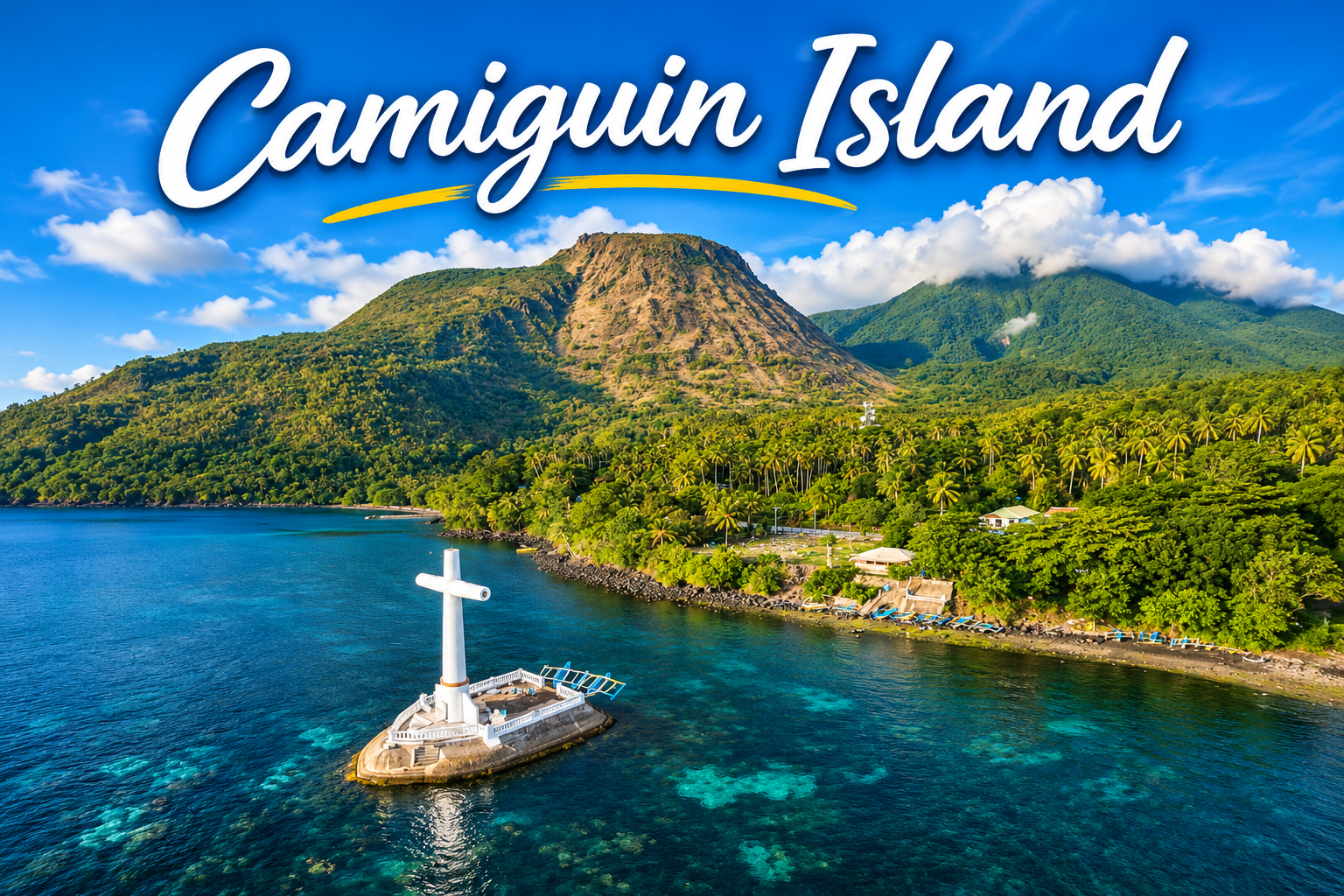
Camiguin Island is a tropical volcanic island province in Northern Mindanao, Philippines, located off the northern coast of mainland Mindanao. Known as the “Island Born of Fire,” Camiguin features lush green mountains, volcanic peaks, turquoise waters, spectacular waterfalls, natural hot springs, and beautiful coastal scenery. Its famous attractions include White Island Sandbar, Mantigue Island, Katibawasan Falls, and the historic Sunken Cemetery. Unlike busier destinations such as Boracay and Palawan, Camiguin offers a quieter, less commercialized atmosphere that makes it especially appealing to nature lovers and adventurous travelers.
Visitors can enjoy swimming, snorkeling, island hopping, waterfall adventures, relaxing spring pools, and exploring volcanic landscapes. The famous White Island Camiguin sandbar offers brilliant white sand, crystal-clear waters, and breathtaking views of Mount Hibok-Hibok. Beyond its natural attractions, the island invites visitors to discover local culture, delicious seafood, and peaceful tropical scenery. This guide covers the best tourist attractions, transportation, accommodations, when to visit, and a suggested three-day itinerary. Discover why Camiguin deserves a place among the Philippines’ most rewarding island destinations.
Where Is Camiguin Island in the Philippines?
Camiguin Island sits in the Bohol Sea, just north of mainland Mindanao in the southern Philippines. It belongs to the Northern Mindanao region and lies near Misamis Oriental.
Despite its relatively small size, the province offers an impressive variety of natural attractions. Its mountainous interior features volcanic peaks, forests, rivers, waterfalls, and natural springs, while its coastline offers spectacular views of the surrounding sea.
Mambajao, the provincial capital, serves as the main tourism center. Most visitors choose accommodation around Mambajao because it provides convenient access to restaurants, transportation, and popular attractions.
For travelers planning a trip to Camiguin Island, Philippines, the island’s compact geography makes exploring surprisingly convenient. You can visit a waterfall in the morning, relax at a natural spring in the afternoon, and watch the sunset along the coast.
The island also has a fascinating geological history. Volcanic activity helped shape its mountains and coastline, earning it the nickname “Island Born of Fire.”
This volcanic heritage remains one of the biggest reasons Camiguin stands apart from other Philippine destinations.
Why Camiguin Island Is Worth Visiting
What makes Camiguin special is its combination of volcanic scenery, beautiful beaches, freshwater attractions, and outdoor adventures.
Unlike destinations that focus primarily on beaches, Camiguin Island offers several different experiences within a relatively small area.
Travelers can explore an offshore sandbar, snorkel around coral reefs, swim in refreshing spring pools, visit historic ruins, and admire waterfalls surrounded by tropical forests.
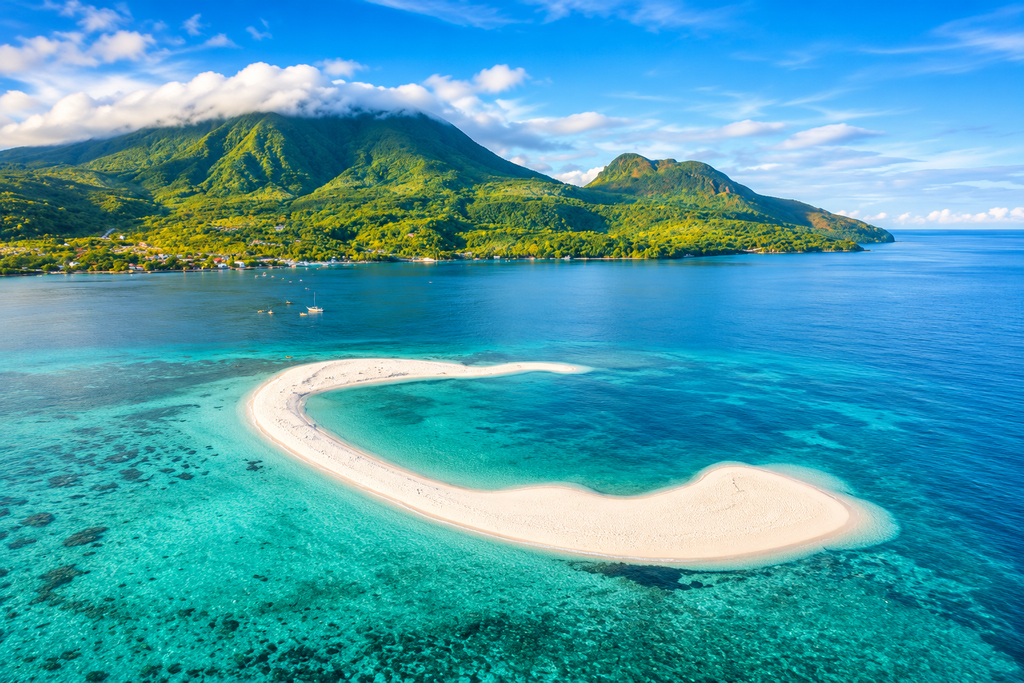
The island’s peaceful atmosphere also makes it appealing to visitors who prefer slower, nature-focused vacations.
While Boracay attracts travelers with its vibrant beachfront atmosphere and Palawan is famous for dramatic limestone cliffs, Camiguin offers something different: volcanic mountains, natural springs, and island adventures without the same level of large-scale tourism development.
Another advantage is its accessibility. Although reaching the province requires some planning, visitors can explore many attractions during a three- or four-day trip.
For travelers who enjoy discovering natural landscapes beyond the usual tourist routes, Camiguin offers an unforgettable experience.
If you love secluded tropical destinations, consider exploring Entalula Beach in Palawan, another breathtaking Philippine destination famous for its crystal-clear waters and dramatic limestone cliffs
Best Tourist Attractions and Things to Do on Camiguin Island
From white sandbars to volcanic hot springs, Camiguin has plenty of attractions worth exploring.
According to the Camiguin Provincial Government, the island’s major attractions include White Island, Mantigue Island, Katibawasan Falls, and the historic Sunken Cemetery.
Here are ten places that deserve a spot on your itinerary.
1. White Island Camiguin – The Famous White Sandbar
White Island is one of Camiguin’s most recognizable attractions and a highlight of any visit.
Located just off the coast of Mambajao, this spectacular white sandbar stretches across clear turquoise waters, with Mount Hibok-Hibok creating an impressive mountain backdrop.
Unlike a typical tropical island, White Island has no trees, permanent buildings, or natural shade. Its exposed sand and surrounding water create beautiful scenery that changes with the tides.
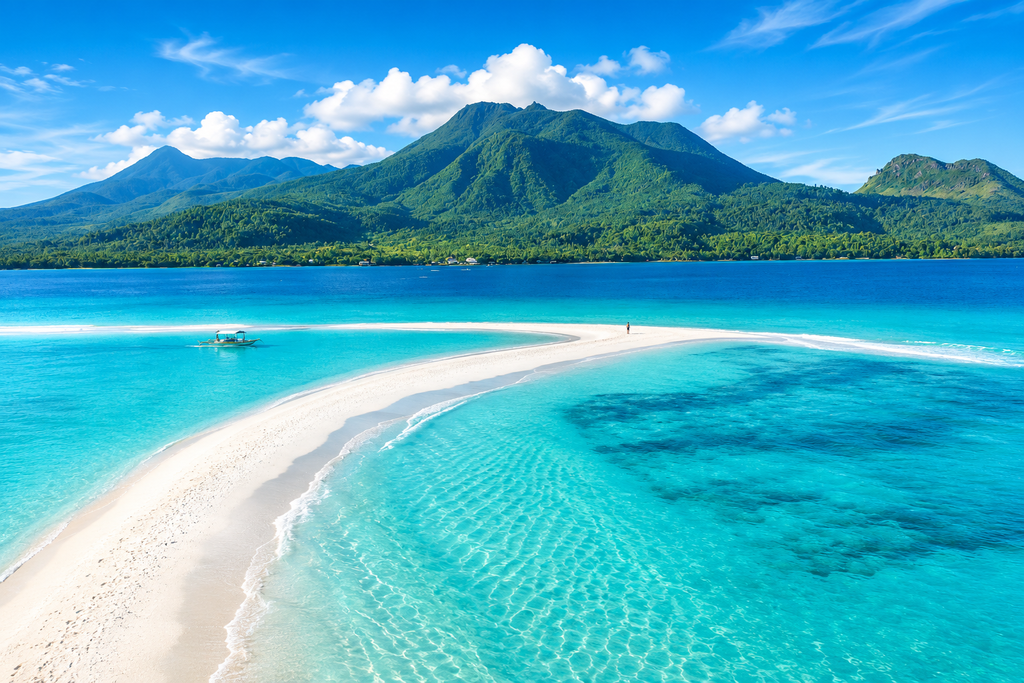
The Camiguin White Island experience begins with a short boat ride from the mainland, usually taking approximately 10–15 minutes, depending on the departure point and sea conditions.
Once you arrive, you can walk along the sandbar, swim in suitable areas, take photographs, and admire panoramic views of Camiguin’s volcanic landscape.
The contrast between the brilliant white sand, blue sea, and green mountains makes this destination particularly photogenic.
For the best experience, visit early in the morning when temperatures are cooler and the sunlight illuminates the surrounding water.
Travel tip: Bring drinking water, sunscreen, a hat, and sun-protective clothing. The sandbar has almost no shade, so the midday sun can become intense. Check sea conditions and boat availability before departing.
2. Mantigue Island – Snorkeling and Tropical Scenery
Mantigue Island is another must-visit destination for travelers who love beaches and marine life.
Located off the eastern coast of Camiguin, this small island features white sandy shores, tropical vegetation, clear waters, and a protected marine environment.
Unlike White Island, Mantigue has trees and a forested interior, creating a different tropical atmosphere.
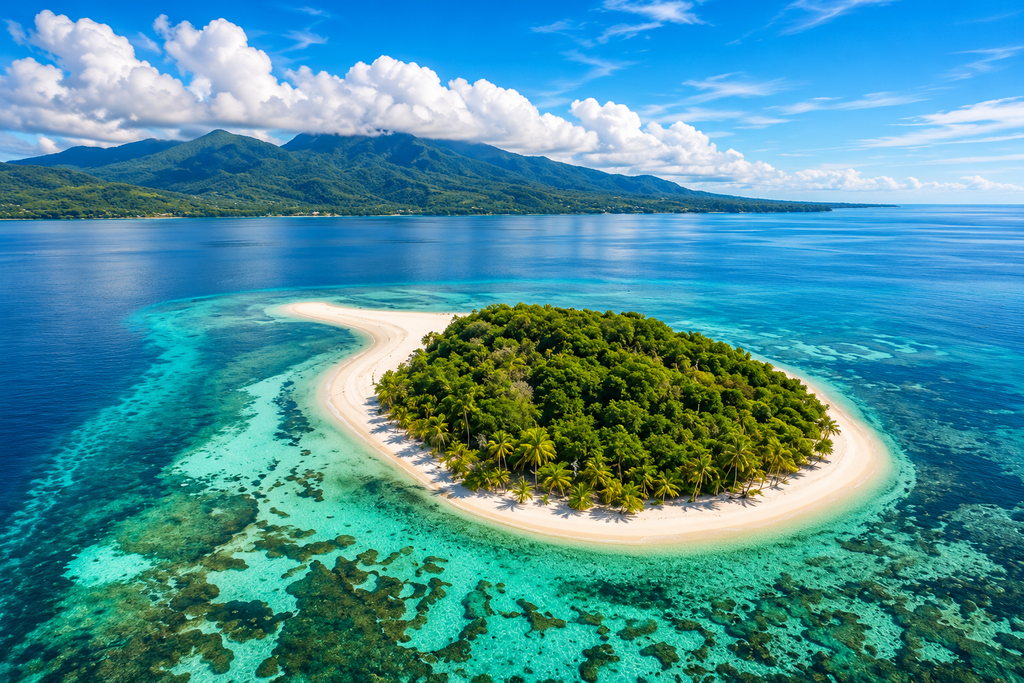
Visitors can enjoy snorkeling in designated areas, swimming, relaxing on the beach, or exploring the island’s natural scenery.
The surrounding reefs support colorful fish and other marine life, making Mantigue a popular destination for underwater exploration.
The boat ride from the mainland generally takes around 15–20 minutes, depending on sea conditions.
Mantigue is especially appealing to families, couples, and nature enthusiasts who want a peaceful island-hopping experience.
Travel tip: Bring your own snorkeling equipment if possible. Follow marine sanctuary rules, avoid stepping on corals, and never touch or disturb marine animals.
3. Katibawasan Falls – A Spectacular Waterfall in the Forest
Katibawasan Falls is one of the most beautiful natural attractions in Camiguin.
Located near Mambajao, this impressive waterfall plunges approximately 70–76 meters down a steep, vegetation-covered cliff.
The waterfall creates a dramatic scene as water flows into a natural basin surrounded by tropical greenery.
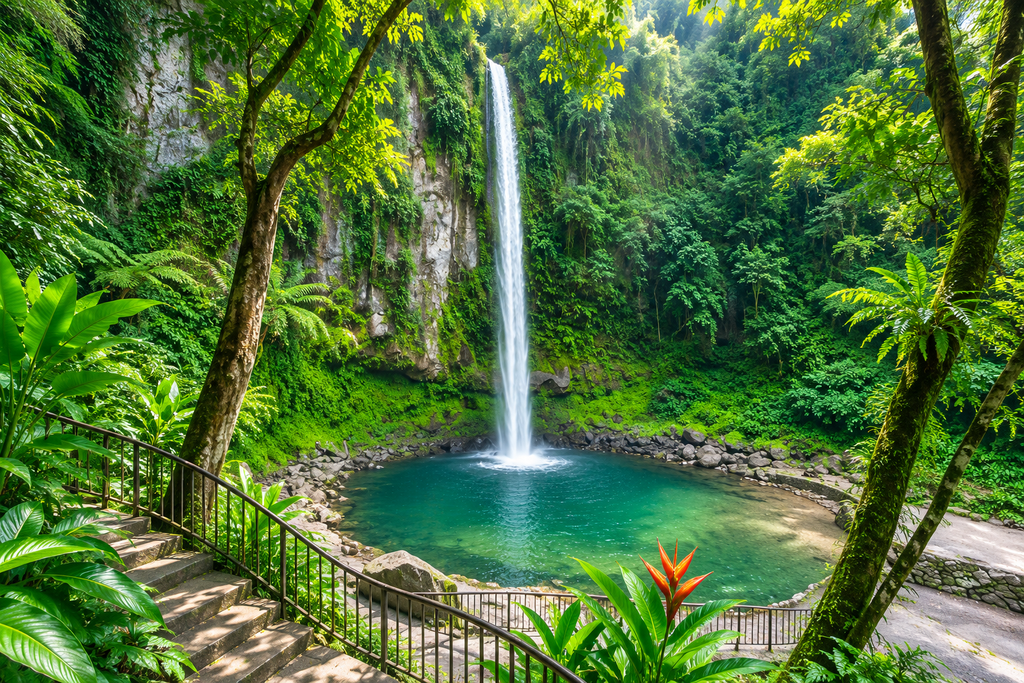
Visitors can enjoy the cool mountain atmosphere, take photographs, and appreciate the peaceful surroundings.
Swimming may be possible in designated areas when conditions allow, but visitors should always follow posted safety restrictions.
The surrounding forest also makes Katibawasan a refreshing escape from the tropical heat.
Unlike some waterfalls that require difficult hikes, Katibawasan is relatively accessible, making it suitable for many travelers.
Travel tip: Visit in the morning for comfortable temperatures and potentially fewer visitors. Wear footwear with good grip because pathways and rocks can become slippery.
4. Sunken Cemetery – Camiguin’s Historic Underwater Landmark
The Sunken Cemetery is one of the most unusual tourist attractions in the Philippines.
Located in Catarman, this historic site tells the story of Camiguin’s volcanic past.
During the destructive volcanic activity associated with Mount Vulcan in 1871, portions of the old town of Catarman sank, including its cemetery.
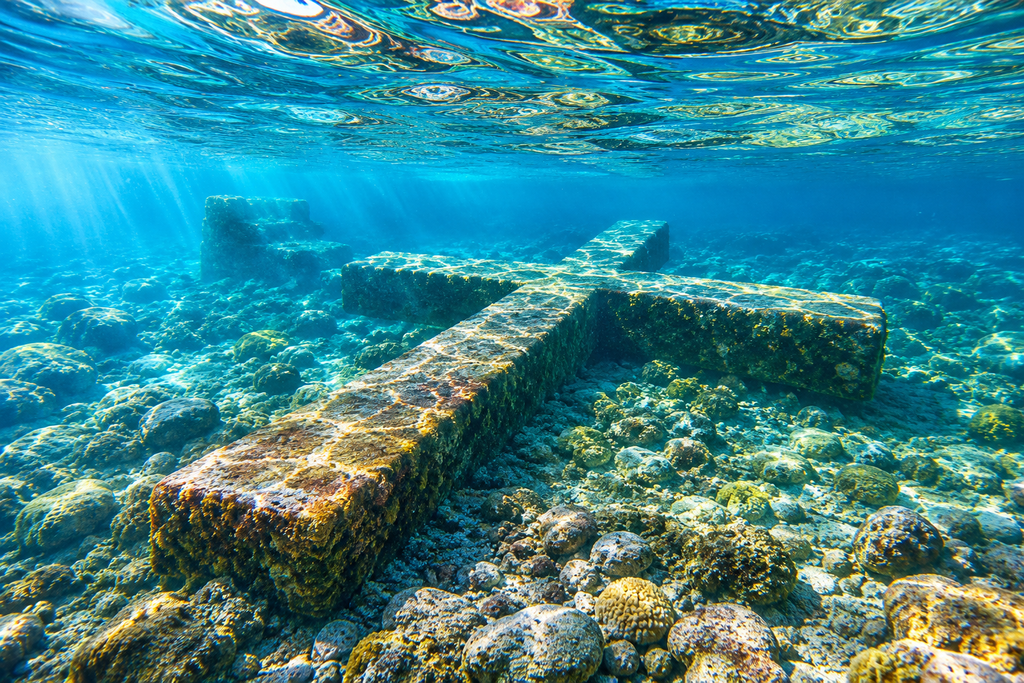
Today, a large white cross stands offshore, marking the historic site and creating one of the island’s most recognizable landmarks.
Visitors can admire the monument from the coastline or arrange a boat trip when conditions permit.
Some snorkeling and diving experiences also explore the waters surrounding the historic area.
The Sunken Cemetery is particularly beautiful during sunset, when warm sunlight reflects across the sea and silhouettes the large cross.
Beyond its picturesque appearance, the site provides an important reminder of the island’s geological history.
Travel tip: Visit during the late afternoon for beautiful coastal photographs. Respect the site’s historical and cultural significance.
5. Ardent Hot Spring – Relax in a Volcanic Spring
After a day of island hopping or sightseeing, Ardent Hot Spring offers a relaxing change of pace.
Located near the slopes of Mount Hibok-Hibok in Mambajao, this popular attraction features spring-fed swimming pools surrounded by tropical vegetation.
The area’s geothermal activity contributes to its natural spring system.
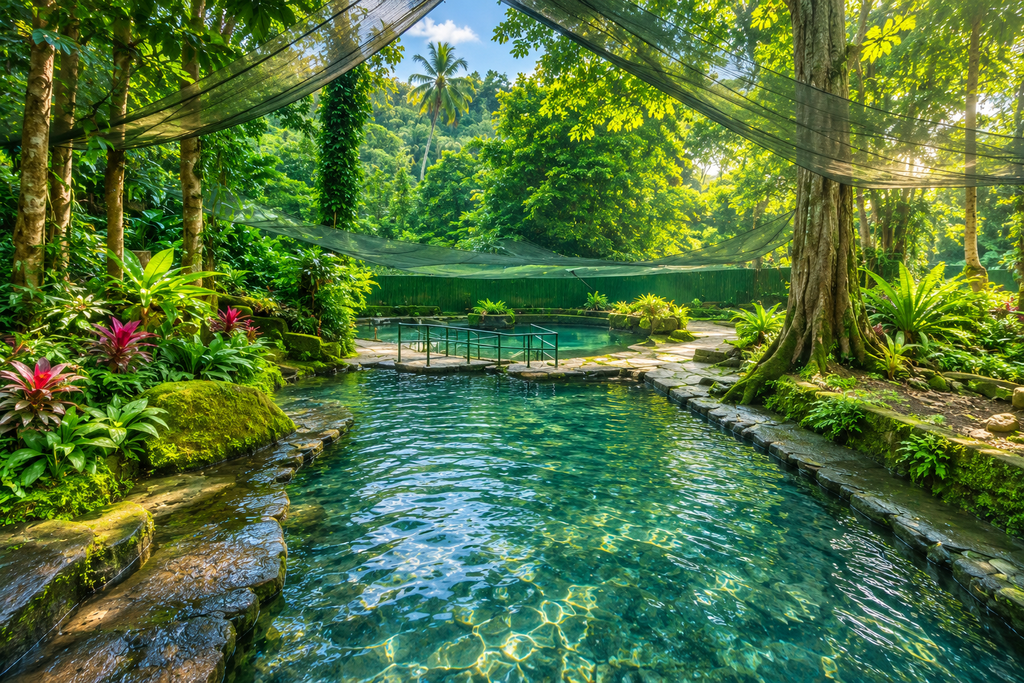
Visitors can enjoy a relaxing soak while listening to the sounds of the surrounding forest.
Although Ardent is famous as a hot spring, visitors should expect water temperatures to vary. Some pools may feel pleasantly warm or lukewarm rather than especially hot.
The shaded environment makes this attraction a pleasant destination after spending several hours under the sun.
Many travelers prefer visiting during the late afternoon or evening when the air feels cooler.
Travel tip: Bring swimwear, a towel, and a change of clothes. Check current operating hours and pool conditions before visiting.
6. Sto. Niño Cold Spring – A Refreshing Natural Swimming Pool
Sto. Niño Cold Spring offers a refreshing alternative to Camiguin’s geothermal attractions.
Located in the municipality of Catarman, this natural spring features clear, cool water flowing through swimming pools surrounded by greenery.
The water remains refreshing even during warm tropical afternoons.
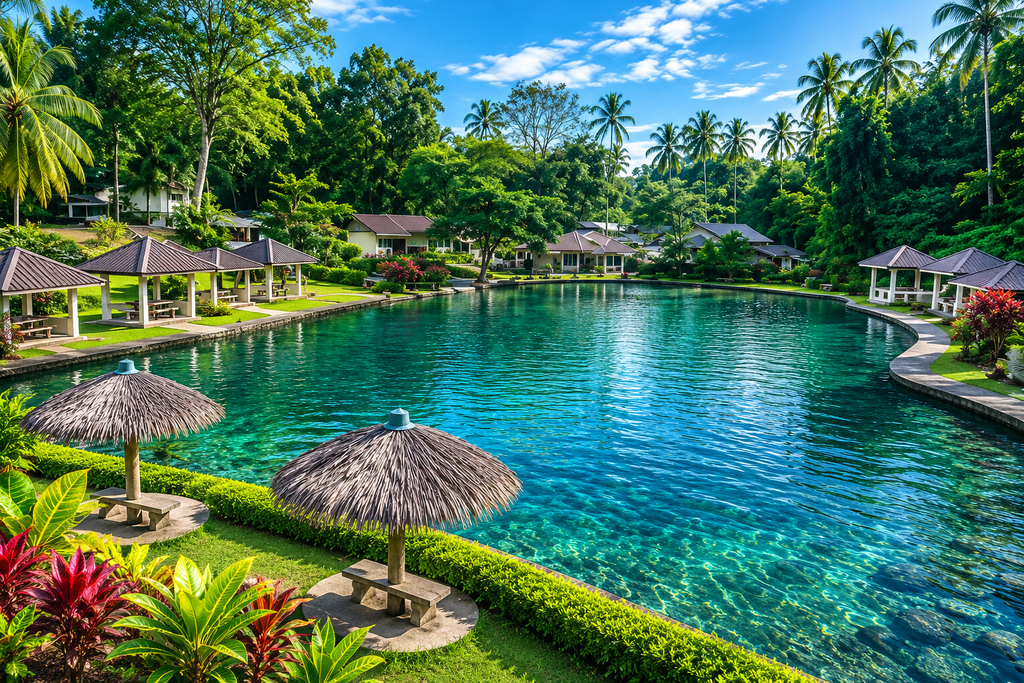
Families and groups often visit the spring to swim, relax, and enjoy the peaceful environment.
The larger pool has deeper sections, while a smaller pool provides another swimming option.
The shaded surroundings help create a relaxing atmosphere that feels different from the island’s sunny coastal attractions.
A visit here pairs well with nearby historical sites and other attractions in Catarman.
Travel tip: Check water depth before entering, especially when traveling with children. Bring cash for entrance fees and other small expenses.
7. Tuasan Falls – Discover Another Beautiful Waterfall
Tuasan Falls is another impressive waterfall worth including in your itinerary.
Located near Catarman, this natural attraction features powerful flowing water, surrounding rock formations, and lush tropical vegetation.
Compared with Katibawasan Falls, Tuasan has a different appearance, with water cascading across a rugged, rocky setting.
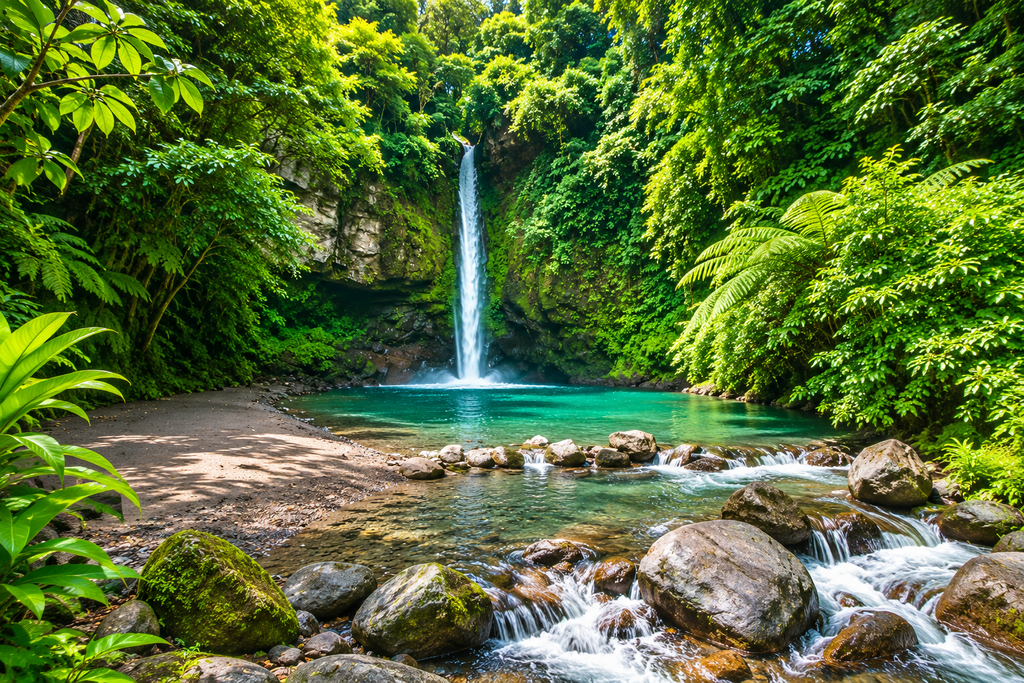
The surrounding landscape creates excellent opportunities for nature photography.
Visitors can admire the waterfall, enjoy the surrounding scenery, and explore designated viewing areas.
Water flow changes throughout the year, and heavy rainfall can make the falls especially powerful.
For safety, always follow local guidance about swimming and restricted areas.
Travel tip: Combine Tuasan Falls with Sto. Niño Cold Spring and the Sunken Cemetery for an enjoyable sightseeing route around western Camiguin.
8. Old Church Ruins – Discover Camiguin’s Volcanic History
Camiguin’s Old Church Ruins, also called Guiob Church Ruins, offer a fascinating look into the island’s history.
Located in Catarman, the ruins contain surviving stone walls and structural remains from a Spanish colonial-era church.
The church suffered destruction during the volcanic events of 1871.
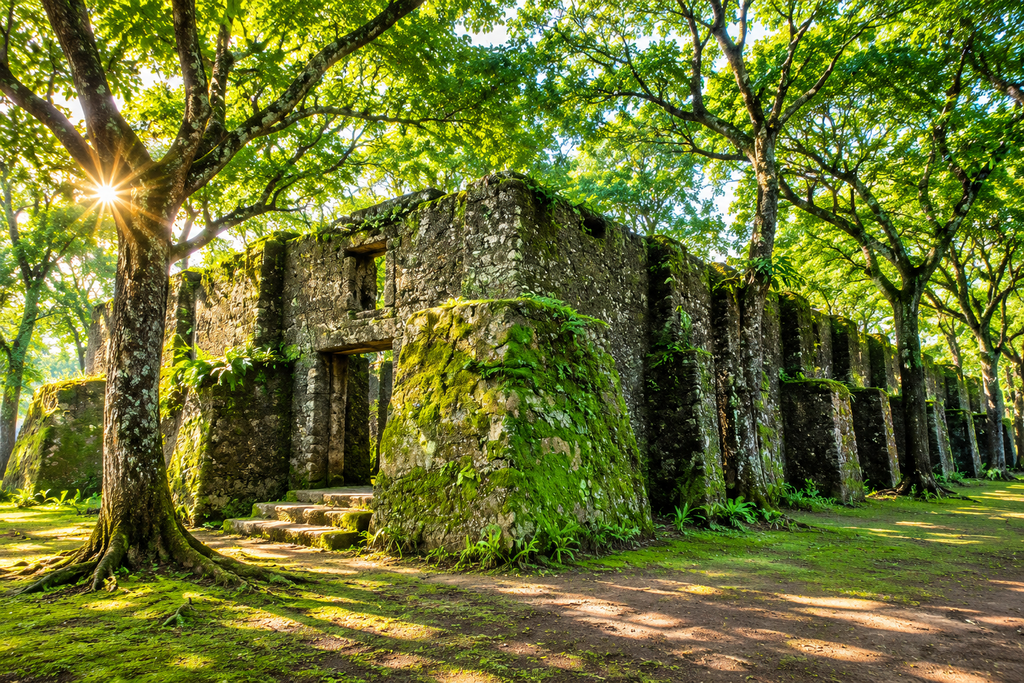
Today, visitors can walk around the historic grounds, admire the weathered stone structures, and learn about the communities that once lived in the area.
Trees and vegetation surround portions of the ruins, creating a peaceful atmosphere.
The site is also an excellent photography destination because its old stone walls contrast beautifully with the greenery.
Unlike Camiguin’s beaches and waterfalls, the ruins provide a cultural experience that helps travelers understand the island’s past.
Travel tip: Visit during the morning or late afternoon when the weather feels more comfortable for walking.
9. Mount Hibok-Hibok – Explore Camiguin’s Volcanic Landscape
Mount Hibok-Hibok is one of the island’s most important natural landmarks.
This active volcano rises above Camiguin’s mountainous landscape and provides a spectacular backdrop for many coastal attractions.
Adventure travelers can explore approved hiking routes within the protected mountain environment.
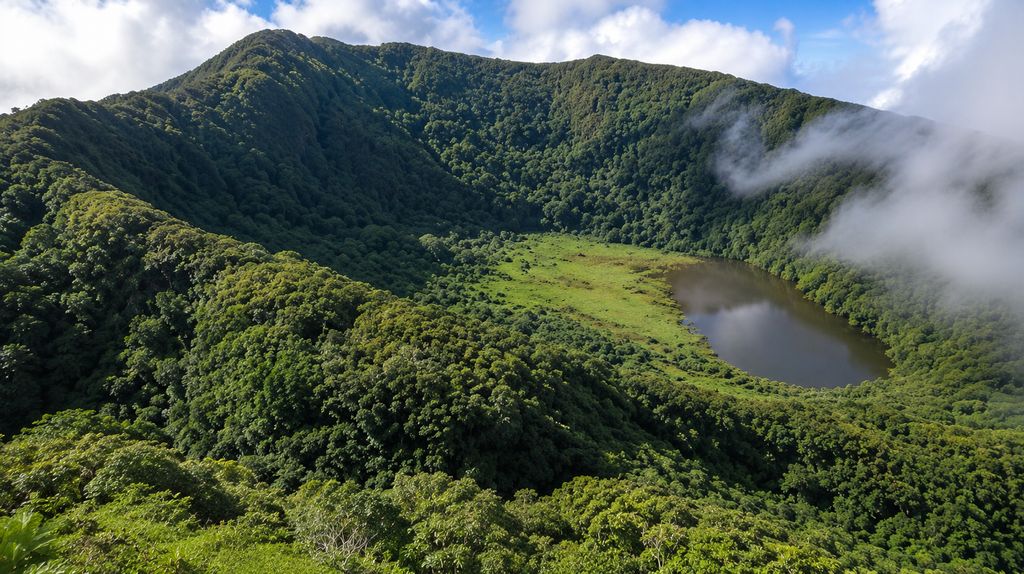
The mountain features tropical forests, challenging trails, and opportunities to appreciate the island’s volcanic geography.
Hiking Mount Hibok-Hibok requires good physical fitness, proper preparation, and suitable weather conditions.
Travelers should arrange the necessary permits through the Department of Environment and Natural Resources and follow local guide requirements.
Because Hibok-Hibok is an active volcano, visitors should also check current advisories from PHIVOLCS before planning a climb.
Not everyone needs to hike the mountain to appreciate its beauty. Its dramatic slopes create memorable views from White Island and several parts of the mainland.
Travel tip: Do not attempt an independent summit climb without confirming current access restrictions, permits, and guide arrangements.
10. Bura Soda Water Swimming Pool – A Unique Natural Attraction
Bura Soda Water Swimming Pool is one of Camiguin’s more unusual attractions.
Located in Catarman, this spring-fed swimming area is known for its naturally carbonated mineral water.
The name comes from the water’s distinctive characteristics, which locals compare with soda water.
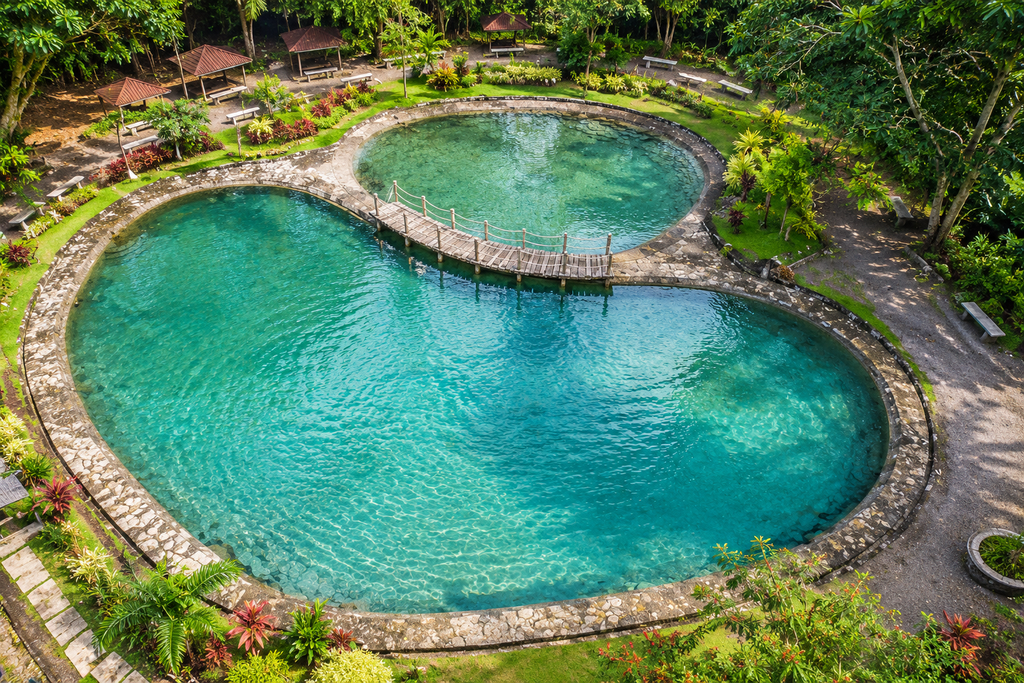
Visitors can enjoy swimming in the spring pools while surrounded by a relaxing tropical environment.
Although the attraction is smaller than the island’s famous waterfalls and offshore destinations, it provides a different experience from typical beach activities.
Bura is worth visiting if you enjoy exploring natural springs or want to include something unusual in your itinerary.
You can conveniently combine this attraction with other sightseeing stops around Catarman.
Travel tip: Bring swimwear and a towel, and follow any posted guidance about pool use and water safety.
Are Camiguin’s Beaches Among the Best Beaches in the Philippines?
Camiguin offers a different beach experience from the famous white-sand coastlines of Boracay, Palawan, and Bohol.
Many mainland beaches feature darker volcanic sand, reflecting the island’s geological origins.
However, offshore destinations such as White Island and Mantigue Island provide the bright sand and turquoise waters that travelers often associate with tropical Philippine vacations.
White Island stands out among the best beaches in the Philippines, offering brilliant white sand, turquoise waters, and spectacular views of Camiguin’s volcanic mountains.
The Camiguin White Island sandbar is particularly impressive because of its unusual setting.
Rather than offering a long beachfront lined with resorts, the sandbar gives visitors a striking natural landscape surrounded by water.
Mantigue Island offers a more traditional tropical escape, with sandy shores, vegetation, and excellent opportunities for snorkeling.
Although Camiguin’s beaches may not receive the same attention as some of the best beaches in the Philippines, the island’s combination of coastal scenery and volcanic attractions makes it especially memorable.
For travelers who want more than a typical beach vacation, this variety is a major advantage.
How to Get to Camiguin Island
Travelers can reach Camiguin by air or by combining land transportation with a ferry journey.
By Air: Fly from Cebu to Camiguin
The most convenient option for many visitors is a direct flight from Cebu.
Cebgo, part of the Cebu Pacific group, operates flights between Mactan-Cebu International Airport and Camiguin Airport in Mambajao.
The flight takes approximately 50–60 minutes.
Travelers coming from Manila or other Philippine cities can connect through Cebu, depending on available flight schedules.
Because Camiguin Airport serves a limited number of routes, checking flight availability before arranging accommodation is important.
By Land and Ferry: Travel Through Cagayan de Oro
Another popular route involves traveling through Cagayan de Oro City in Northern Mindanao.
First, fly to Laguindingan Airport, which serves the Cagayan de Oro area.
From there, travel toward Balingoan Port in Misamis Oriental.
The journey from Cagayan de Oro to Balingoan typically takes approximately two to three hours, depending on your starting point and road conditions. Allow additional time when traveling directly from the airport.
At Balingoan Port, board a ferry bound for Benoni Port in Mahinog, Camiguin.
The sea crossing generally takes about one hour to one hour and fifteen minutes.
After arriving at Benoni Port, continue to your accommodation using local transportation or a prearranged transfer.
Ferry schedules can change because of weather, sea conditions, or operational requirements, so confirm departure times before traveling.
Check Camiguin’s Visitor Registration Requirements
Before departure, check the province’s official visitor registration and tourism ticketing system.
Cebu Pacific currently advises arriving air passengers to complete the Isle Visit Camiguin registration process and save their QR code.
The province also uses the Isle Visit Camiguin platform for attraction information and tourism e-tickets.
Verify the latest requirements before traveling because local procedures may change.
How to Get Around Camiguin
Exploring Camiguin is relatively convenient because a coastal road connects its main municipalities and tourist areas.
Visitors have several transportation options.
Motorcycle rental: Renting a motorcycle gives confident, properly licensed riders flexibility to explore at their own pace. It works especially well for travelers who enjoy independent sightseeing.
Tricycles: Local tricycles provide transportation around towns and nearby attractions. Agree on the fare before starting your journey.
Private car or van: Families and larger groups may prefer renting a vehicle with a driver. This option offers greater comfort when visiting several attractions in one day.
Organized tours: Local tour operators can arrange sightseeing transportation, making travel easier for visitors who prefer planned itineraries.
Some inland destinations require driving along winding or steep roads. Exercise additional caution during rainy weather.
Where to Stay: Camiguin Island Resorts and Accommodations
Choosing the right accommodation can make your trip more convenient and enjoyable.
Most first-time visitors prefer staying in Mambajao because it offers easy access to restaurants, transportation, and major tourist attractions.
Mambajao – Best for First-Time Visitors
Mambajao is the most convenient base for exploring the island.
It provides access to Camiguin Airport, restaurants, tour operators, and transportation services.
Staying here also places you relatively close to attractions such as White Island and Katibawasan Falls.
Travelers can choose from simple guesthouses, comfortable hotels, and beachfront accommodations.
Agoho and Yumbing – Best for Beaches and Island Hopping
The coastal areas of Agoho and Yumbing are excellent choices for visitors who want to stay near White Island’s boat departure points.
These areas feature beach accommodations, dive operators, restaurants, and beautiful coastal views.
Many Camiguin Island resorts in this part of Mambajao offer a relaxed atmosphere that suits couples, families, and independent travelers.
The coastline also provides lovely opportunities for watching the sunset.
Mahinog – Best for Quiet Coastal Stays
Mahinog is another option for travelers who prefer a quieter environment.
Located on the eastern side of the island, this municipality offers access to Benoni Port and boat departures toward Mantigue Island.
Although it has fewer accommodation choices than Mambajao, it can be a good base for visitors who enjoy peaceful coastal scenery.
Accommodation tip: Book early during Philippine holidays, summer vacation periods, and the Lanzones Festival. Confirm transportation arrangements if your accommodation is far from the main tourism areas.
Best Time to Visit Camiguin Island
The best time to visit Camiguin depends on whether you prioritize sunshine, island hopping, hiking, or cultural celebrations.
March to May – Best for Beaches and Outdoor Adventures
- March to May generally offers some of Camiguin’s most favorable conditions for beach activities.
- During these months, visitors often experience sunnier weather and calmer seas.
- These conditions make trips to White Island and Mantigue Island particularly appealing.
- March and April are also popular months for swimming, snorkeling, and outdoor sightseeing.
- However, temperatures can become hot, especially during April and May.
- Bring sun protection and plan strenuous activities during cooler hours.
June to September – Best for Green Landscapes and Fewer Crowds
- Visitors during these months may encounter more frequent rain showers and changing weather conditions.
- However, the island’s mountains and forests often look especially lush.
- Waterfalls may also appear more dramatic after periods of rainfall.
- Travelers who enjoy nature photography and quieter surroundings may appreciate this season.
- Keep your itinerary flexible because rain and rough seas can affect boat trips.
October – Best for the Lanzones Festival
- October is an exciting time to experience Camiguin’s local culture.
- The province celebrates its annual Lanzones Festival, usually during the third or fourth week of the month.
- The celebration highlights the island’s famous sweet lanzones fruit and features cultural events, performances, and community festivities.
- Festival activities provide an opportunity to experience local traditions beyond the usual tourist attractions.
- However, accommodations and transportation may become busier around the celebration.
November to February – Cooler Weather but Variable Sea Conditions
- These months can bring cooler breezes and a quieter travel atmosphere.
- However, Camiguin may experience periods of heavier rain and rougher seas, particularly during the northeast monsoon.
- Visitors can still enjoy inland attractions, restaurants, and cultural sightseeing.
- If White Island and Mantigue Island are priorities, allow flexibility in case boats cannot operate.
Best overall recommendation: Choose March to May for better chances of sunny weather and enjoyable island hopping. Choose October if you want to experience Camiguin’s famous festival.
Suggested 3-Day Camiguin Island Itinerary
Three days provide enough time to visit several of Camiguin’s highlights without rushing through every attraction.
However, four days offer a more relaxed experience, especially if you want to include hiking or diving.
Day 1: White Island, Katibawasan Falls, and Ardent Hot Spring
- Start your first morning with a boat trip to White Island.
- Arrive early to enjoy the beautiful sandbar, clear waters, and panoramic views of Mount Hibok-Hibok.
- After returning to the mainland, enjoy breakfast or lunch around Mambajao.
- Continue to Katibawasan Falls, where you can admire the spectacular waterfall surrounded by tropical greenery.
- Spend time exploring the area and taking photographs before returning to town.
- During the late afternoon, visit Ardent Hot Spring for a relaxing soak.
- Finish your day with dinner at a local restaurant serving Filipino dishes or freshly prepared seafood.
Day 2: Mantigue Island and Eastern Camiguin
- Dedicate your second morning to Mantigue Island.
- Take a boat from the mainland and spend time snorkeling, swimming, and enjoying the island’s tropical scenery.
- Explore the designated visitor areas while respecting the marine sanctuary.
- After returning to Camiguin, enjoy lunch before visiting additional attractions on the eastern side of the province.
- You can explore coastal viewpoints or spend the afternoon relaxing at your accommodation.
- For travelers interested in marine life, this is also a good day to arrange a guided diving activity instead of additional land sightseeing.
- End the day with a peaceful coastal sunset and a relaxing dinner.
Day 3: Sunken Cemetery, Old Church Ruins, and Natural Springs
- Spend your final day discovering Camiguin’s history and inland attractions.
- Begin with a visit to the Old Church Ruins in Catarman.
- Explore the historic stone structures and learn about the volcanic events that shaped the area.
- Continue to the Sunken Cemetery, where the large offshore cross marks one of the island’s most fascinating historical landmarks.
- Afterward, visit Sto. Niño Cold Spring for a refreshing swim.
- If time allows, add Tuasan Falls or Bura Soda Water Swimming Pool to your itinerary.
- Before leaving, stop at local shops to purchase Camiguin delicacies and souvenirs.
- This itinerary combines island hopping, waterfalls, natural springs, and cultural attractions for a well-rounded introduction to the province.
What to Eat in Camiguin
Camiguin offers several local foods worth trying during your visit.
Fresh Lanzones
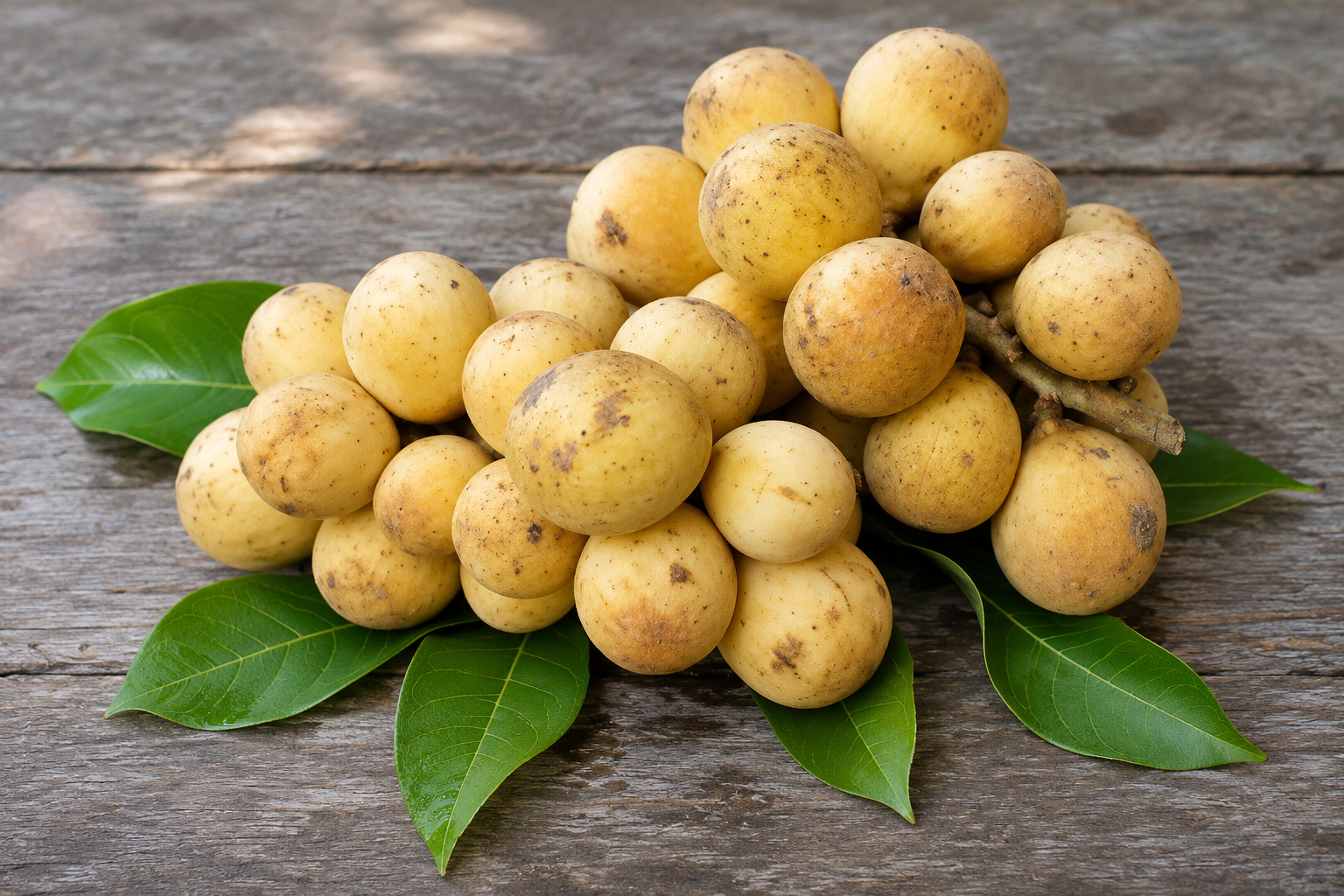
- Lanzones is one of the island’s most famous products.
- The small, round fruit contains juicy segments with a sweet flavor and occasional tart notes.
- It is especially associated with the island’s annual Lanzones Festival.
- If you visit during harvest season, look for fresh lanzones at local markets and fruit stalls.
Camiguin Pastel

- Pastel is a popular local pastry commonly associated with Camiguin.
- This soft bun traditionally contains a sweet filling, often made with yema or custard.
- Many visitors purchase boxes of pastel as souvenirs or gifts for family and friends.
- It also makes a convenient snack during sightseeing trips.
Fresh Seafood
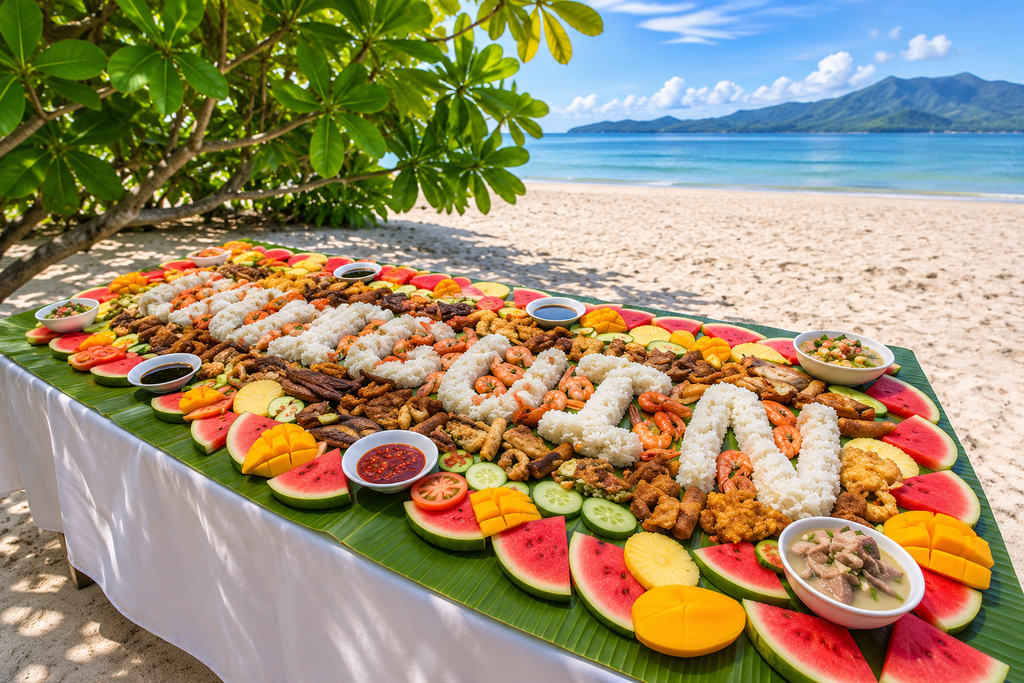
- As an island province, Camiguin offers opportunities to enjoy freshly prepared seafood.
- Local restaurants serve dishes featuring fish, squid, shrimp, and other seafood, depending on availability.
- Grilled seafood is a particularly enjoyable choice after a day of swimming or island hopping.
- Try pairing your meal with rice, fresh vegetables, and traditional Filipino sauces.
Local Filipino Dishes
Beyond seafood, visitors can find familiar Filipino favorites such as grilled meats, soups, rice meals, and regional specialties.
Exploring small local restaurants provides another way to experience Camiguin’s culture and everyday island life.
Essential Travel Tips for Visiting Camiguin
A little preparation can make your island adventure safer and more enjoyable.
Bring enough cash. Although some establishments accept electronic payments, smaller shops, transportation providers, and local attractions may prefer cash.
Start your outdoor activities early. Morning visits often offer more comfortable temperatures, especially when exploring White Island.
Check the weather before island hopping. Boat trips depend on sea conditions, and operators may suspend departures when the weather becomes unsafe.
Wear appropriate footwear. Waterfalls, volcanic landscapes, and natural springs can have slippery surfaces.
Respect marine ecosystems. Avoid touching coral reefs, collecting marine life, or leaving trash on beaches.
Book accommodation ahead of major holidays. Rooms may fill quickly during popular travel periods and the Lanzones Festival.
Follow volcanic safety advisories. Mount Hibok-Hibok remains an active volcano. Check PHIVOLCS updates and follow local regulations before hiking.
Allow extra travel time. Weather-related ferry or flight disruptions can affect your schedule, particularly during periods of unstable weather.
Frequently Asked Questions About Camiguin Island
Is Camiguin worth visiting?
Yes. Camiguin is worth visiting for its unique combination of volcanic mountains, white sandbars, waterfalls, natural springs, snorkeling destinations, and historical attractions.
It is especially suitable for travelers who enjoy nature, outdoor adventures, and quieter island destinations.
How many days do you need in Camiguin?
Three to four days is ideal for most first-time visitors.
Three days allow you to experience White Island, Mantigue Island, Katibawasan Falls, the Sunken Cemetery, and several natural springs.
Stay longer if you want to include diving, hiking, or additional time relaxing.
Is White Island Camiguin worth visiting?
Absolutely. White Island Camiguin offers one of the most distinctive coastal landscapes in the Philippines.
Its brilliant white sand, clear turquoise waters, and spectacular volcanic backdrop create an unforgettable setting.
The sandbar is especially beautiful during the early morning when conditions are favorable.
Is Camiguin expensive to visit?
Camiguin can be relatively affordable compared with more commercialized Philippine tourist destinations.
Travel costs depend on your accommodation, transportation choices, meals, and activities.
Budget-conscious visitors can save money by choosing simple guesthouses, eating at local restaurants, and sharing transportation expenses.
What is Camiguin most famous for?
Camiguin is best known as the “Island Born of Fire” because of its volcanic origins.
Its most recognizable attractions include White Island Sandbar, Mantigue Island, Mount Hibok-Hibok, Katibawasan Falls, natural springs, and the Sunken Cemetery.
The province is also famous for its sweet lanzones fruit and annual Lanzones Festival.
Is Camiguin suitable for families?
Yes. Camiguin offers many family-friendly attractions, including beaches, accessible waterfalls, natural spring pools, and historical landmarks.
However, parents should supervise children around deep water, slippery paths, and strong currents.
Families may also find private transportation more convenient than renting motorcycles.
Can you visit Camiguin without renting a motorcycle?
Yes. Visitors can explore the island using tricycles, private vehicles, and organized sightseeing tours.
Motorcycle rentals provide flexibility, but they are not necessary for enjoying Camiguin’s main attractions.
Final Thoughts: Why Camiguin Deserves a Place on Your Philippine Travel Itinerary
Camiguin offers a refreshing alternative to the Philippines’ more commercialized beach destinations.
Its volcanic mountains, spectacular waterfalls, natural springs, beautiful offshore islands, and historic landmarks create a travel experience that goes far beyond a typical tropical vacation.
Whether you spend the morning exploring White Island, snorkel around Mantigue Island, relax at Ardent Hot Spring, or admire the Sunken Cemetery, every attraction reveals a different side of the province.
What makes Camiguin Island particularly special is the opportunity to experience so much natural beauty within a relatively small area.
Instead of focusing on just one famous beach, you can enjoy volcanic scenery, freshwater adventures, marine life, and local culture during the same trip.
For nature lovers, adventurous travelers, couples, and families looking for a peaceful getaway, Camiguin deserves serious consideration.
If you’re planning your next Philippine island adventure, consider adding this beautiful volcanic province to your itinerary and discover what makes the Island Born of Fire such an unforgettable destination.
Looking for more tropical adventures in Southeast Asia? Discover the best beaches in Thailand, featuring beautiful islands, white-sand beaches, and unforgettable snorkeling destinations.