
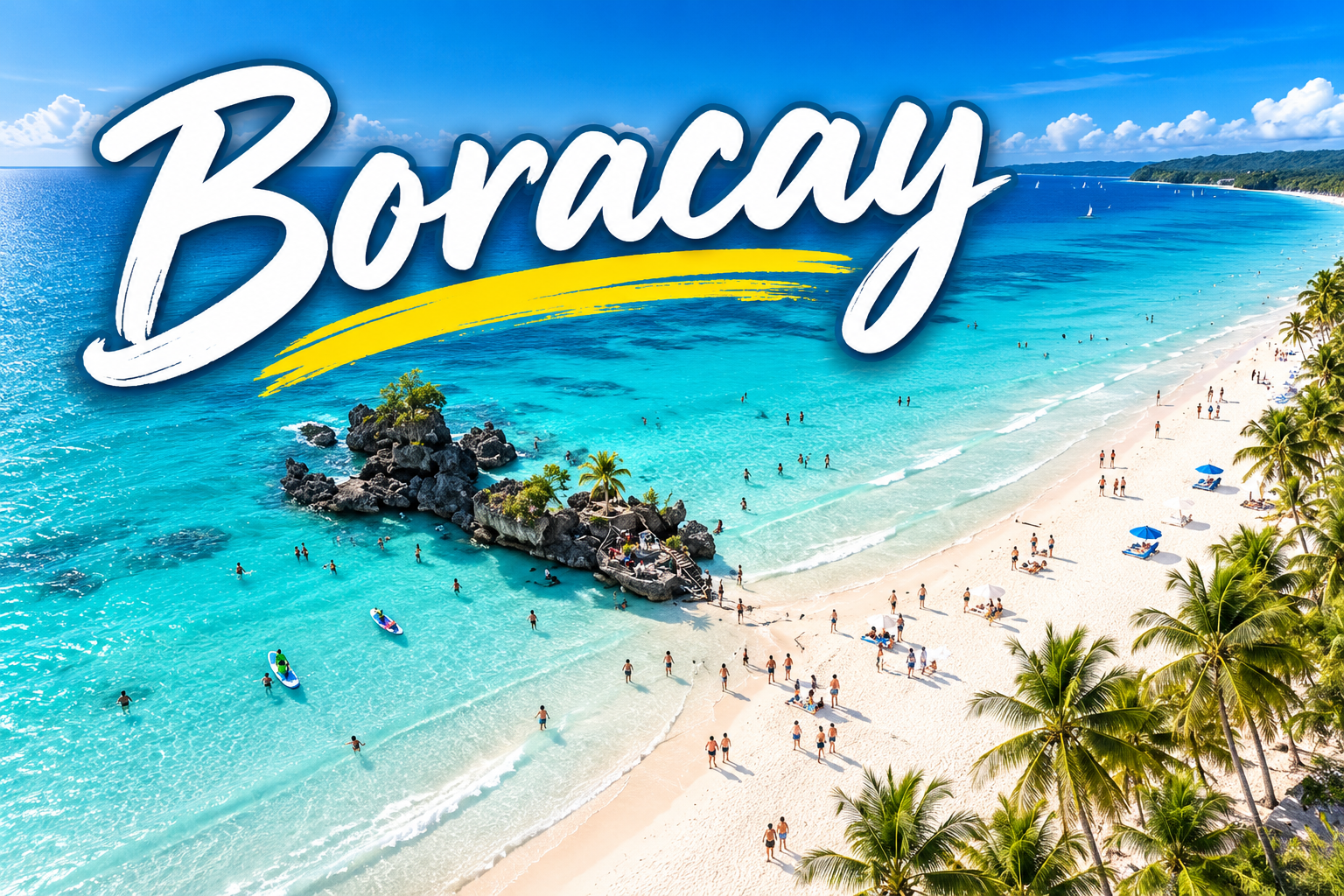
Boracay Island is a small tropical paradise in Malay, Aklan, in the Western Visayas region of the Philippines, just off the northwestern tip of Panay Island. Famous for its powdery white-sand beaches, crystal-clear turquoise waters, palm-lined coastlines, and spectacular sunsets, this beautiful destination attracts travelers from around the world. Its most iconic attraction, White Beach, stretches approximately four kilometers along the western coastline, offering some of the finest sand in Southeast Asia. Meanwhile, Puka Shell Beach provides a quieter escape surrounded by natural scenery. Recognized internationally by Travel + Leisure, Condé Nast Traveler, and Tripadvisor, Boracay Island Philippines combines breathtaking tropical beauty with world-class resorts, delicious restaurants, exciting water activities, and vibrant nightlife, making it one of the most famous beaches in the Philippines to visit.
Visitors can spend their days swimming in turquoise waters, enjoying Boracay island hopping adventures, snorkeling, parasailing, or experiencing a traditional sunset paraw sailing trip. White Beach offers lively beachfront restaurants and resorts, while Puka Shell Beach provides a more peaceful atmosphere. Along White Beach, Station 1 features upscale resorts and a spacious beachfront, Station 2 serves as the island’s shopping and entertainment center, and Station 3 offers a more relaxed setting with affordable accommodations. Whether you’re planning a romantic getaway, family vacation, or adventure-filled holiday, this comprehensive travel guide covers how to get to the island, the best beaches, exciting activities, island-hopping experiences, accommodations, the best time to visit, estimated expenses, and essential travel tips. Discover why Boracay remains one of the Philippines’ most irresistible tropical vacation destinations.
Where Is Boracay Island Located?
Boracay Island is located in the municipality of Malay, Aklan, in the Western Visayas region of the Philippines. It lies approximately two kilometers off the northwestern coast of Panay Island, surrounded by the beautiful waters of the Sibuyan Sea.
Despite its international popularity, Boracay is relatively small. The island measures approximately seven kilometers from north to south and around one kilometer across at its widest point.
Its compact size makes exploring different beaches, restaurants, and attractions surprisingly convenient.
Unlike larger Philippine destinations such as Palawan or Cebu, Boracay concentrates many of its most popular attractions within a relatively small area.
This makes it particularly appealing to first-time visitors who want a tropical vacation without spending hours traveling between attractions.
How Far Is Boracay From Manila?
Boracay lies approximately 300 kilometers south of Manila in a straight line.
The most convenient way to reach the island involves taking a domestic flight from Manila to Caticlan Airport, followed by a short land transfer and boat ride.
Flights between Manila and Caticlan generally take around one hour.
Travelers can also reach Boracay through Kalibo International Airport, although this route requires a longer journey to the ferry terminal.
Why Is Boracay Island Famous?
Boracay Island Philippines has earned worldwide recognition for its extraordinary beaches, beautiful sunsets, luxurious accommodations, and exciting tropical experiences.
However, several characteristics make Boracay particularly special.
1. Its Incredible White-Sand Beaches
Boracay’s greatest attraction is undoubtedly its beautiful white sand.
Unlike many beaches with coarse or rocky sand, White Beach features incredibly fine, powdery sand that feels soft beneath your feet.
The contrast between the bright white shoreline and turquoise sea creates the tropical scenery that travelers associate with a perfect island getaway.
Its natural beauty places Boracay among the most beautiful beaches in the Philippines.
2. Spectacular Tropical Sunsets
Boracay is also famous for its colorful sunsets.
Every evening, visitors gather along White Beach to watch the sun slowly disappear beyond the horizon.
The sky often transforms into beautiful shades of orange, pink, purple, and gold.
Traditional Filipino sailboats, known as paraws, create an especially memorable scene as they glide across the water.
3. International Travel Recognition
Boracay has consistently received recognition from major international travel publications.
Travel + Leisure named Boracay the world’s best island in 2012, while Condé Nast Traveler has repeatedly included it among the world’s outstanding island destinations.
The island also appeared in Tripadvisor’s Travelers’ Choice recognition for Asian beaches in 2021.
These awards highlight Boracay’s enduring international appeal and explain why travelers continue to consider it one of the top beaches in the Philippines.
4. A Perfect Combination of Relaxation and Adventure
Boracay offers much more than beautiful scenery.
Visitors can enjoy world-class resorts, beachfront dining, thrilling water sports, island-hopping adventures, and exciting nightlife.
Whether you prefer peaceful mornings by the sea or energetic evenings filled with music and entertainment, Boracay offers something for almost every type of traveler.
Best Beaches on Boracay Island
Although White Beach attracts most visitors, Boracay features several beautiful beaches with different landscapes and atmospheres.
With its powdery white sand and spectacular sunsets, Boracay deserves a place among the best beaches in the Philippines, alongside destinations such as Palawan, Siargao, and Camiguin.
Exploring these beaches reveals another side of the island beyond its famous beachfront resorts.
1. White Beach, Boracay – The Island’s Most Famous Beach
White Beach, Boracay is the island’s main attraction and one of the best beaches in the Philippines.
Stretching approximately four kilometers along the western coastline, this spectacular beach features powdery white sand, turquoise waters, and beautiful tropical scenery.
Visitors can spend an entire day swimming, sunbathing, walking along the shoreline, or enjoying refreshments at beachfront cafés.
The beach also provides some of the island’s best sunset views.
White Beach has three main sections, commonly called Stations 1, 2, and 3.
Each station offers a slightly different travel experience.
Station 1 – Luxury Resorts and Beautiful Beachfront
Station 1 occupies the northern section of White Beach.
This area features a generally wider beachfront, beautiful white sand, and several upscale resorts.
Travelers who prefer a quieter atmosphere without sacrificing convenient access to restaurants often choose this section.
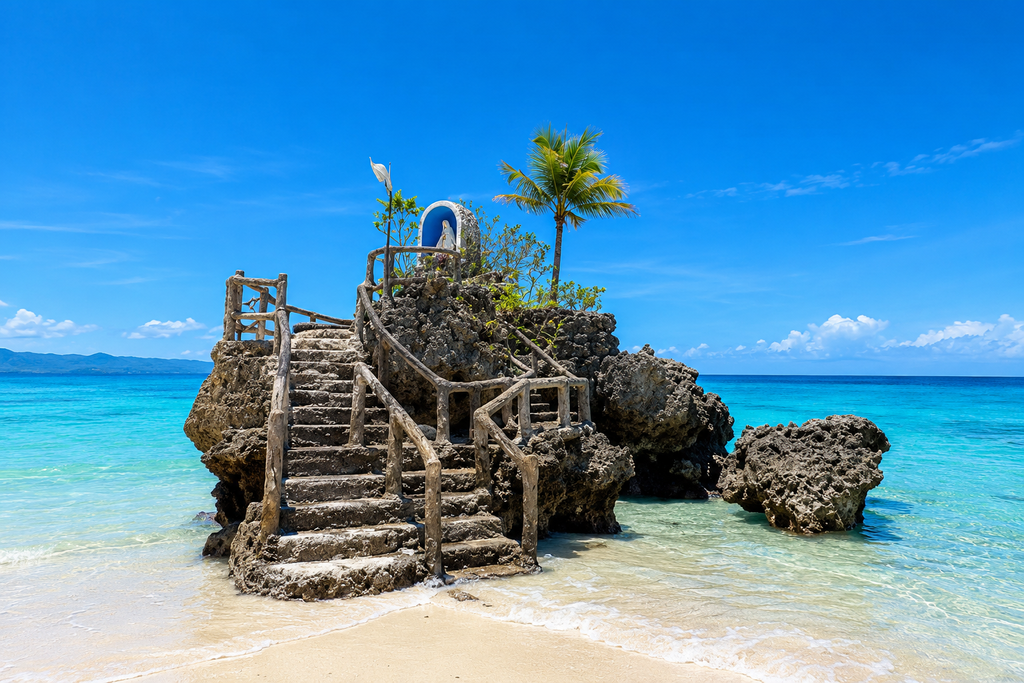
Station 1 is also home to Willy’s Rock, one of Boracay’s most recognizable landmarks.
The small volcanic rock formation features a religious shrine and becomes a popular photography spot during low tide.
Best for: Couples, luxury travelers, honeymooners, and visitors seeking a more relaxed beachfront.
Station 2 – Shopping, Dining, and Nightlife
Station 2 serves as Boracay’s busiest commercial and entertainment area.
Visitors will find numerous restaurants, bars, shops, cafés, and beachfront accommodations.
One of its main attractions is D’Mall, a popular shopping and dining complex offering souvenirs, restaurants, and everyday travel essentials.
Station 2 becomes especially lively after sunset, when restaurants and entertainment venues welcome evening visitors.
Best for: First-time visitors, groups of friends, nightlife enthusiasts, and travelers who want everything within walking distance.
Station 3 – Peaceful Atmosphere and Budget-Friendly Stays
Station 3 occupies the southern end of White Beach.
Compared with Station 2, this area generally feels quieter and less crowded.
Travelers can find smaller beachfront resorts, guesthouses, casual restaurants, and affordable accommodations.
Station 3 is an excellent choice for visitors who want convenient beach access without staying in Boracay’s busiest entertainment district.
Best for: Budget travelers, families, couples, and visitors seeking a slower vacation.
Travelers who enjoy long stretches of beautiful sand should also explore Nacpan Beach in El Nido, Palawan, another spectacular four-kilometer shoreline known for its tropical scenery and peaceful atmosphere.
2. Puka Shell Beach – A Peaceful Tropical Escape
Puka Shell Beach Boracay, also known as Yapak Beach, lies along the northern coast of the island.
Its name comes from the naturally occurring shell fragments found along its shoreline.
Compared with White Beach, Puka Shell Beach features coarser sand, fewer commercial establishments, and a more natural coastal landscape.
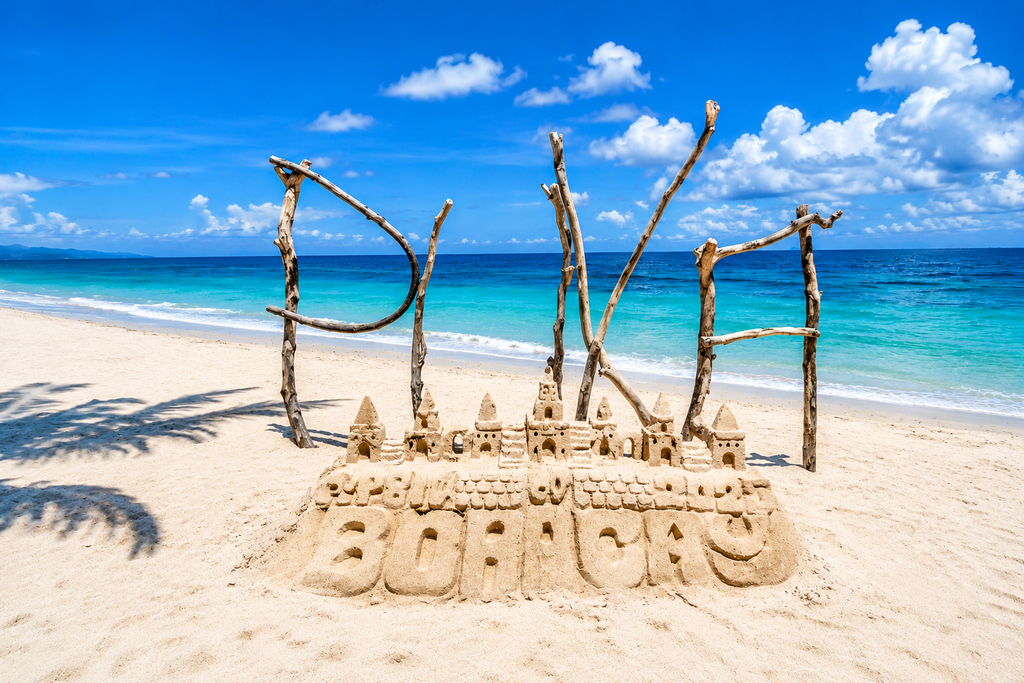
The surrounding greenery and beautiful blue waters create a relaxing environment away from Boracay’s busiest areas.
Visitors often come here to enjoy the scenery, take photographs, and experience a quieter side of the island.
However, the water can become deep quickly, and waves may be strong depending on weather conditions.
Always check local swimming conditions before entering the sea.
Best for: Nature lovers, photographers, couples, and travelers seeking peaceful surroundings.
3. Diniwid Beach – A Hidden Coastal Retreat
Diniwid Beach is a small, beautiful cove immediately north of White Beach.
Rocky headlands, clear water, and tropical vegetation give this beach a more secluded atmosphere.
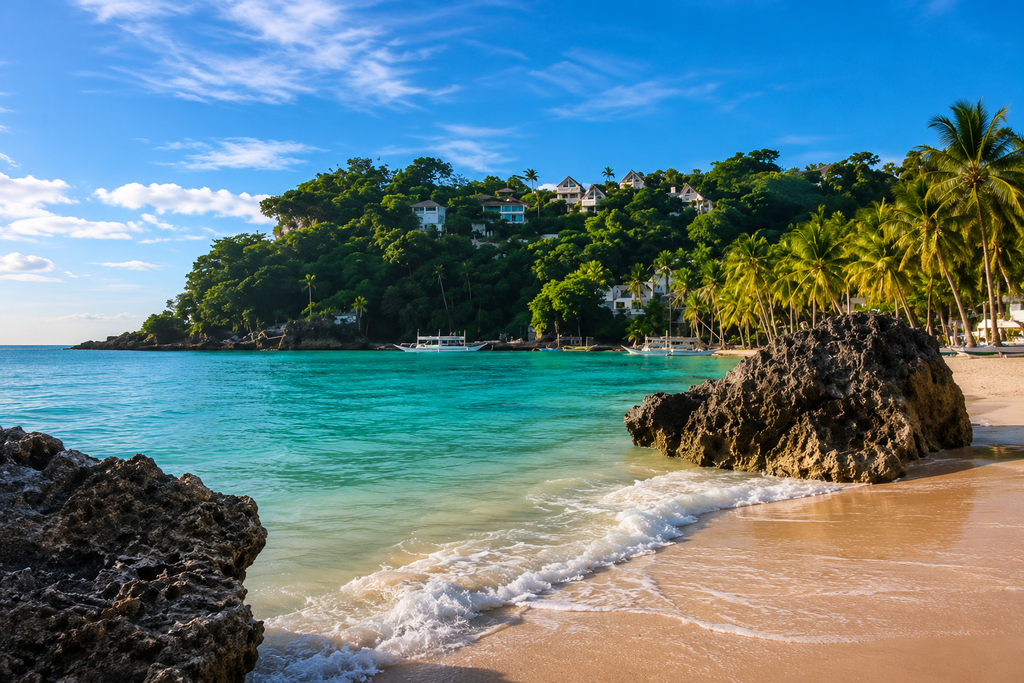
It is particularly attractive to travelers who want a quieter beachfront while remaining close to Boracay’s main attractions.
During favorable conditions, visitors can enjoy swimming and relaxing beside the shoreline.
The beach also offers excellent opportunities for photography, especially during the late afternoon.
Best for: Couples, photographers, and travelers looking for a quieter beach.
4. Bulabog Beach – Boracay’s Water Sports Destination
Bulabog Beach lies along Boracay’s eastern coastline.
Unlike White Beach, which is famous for swimming and sunsets, Bulabog attracts visitors interested in wind-powered water sports.
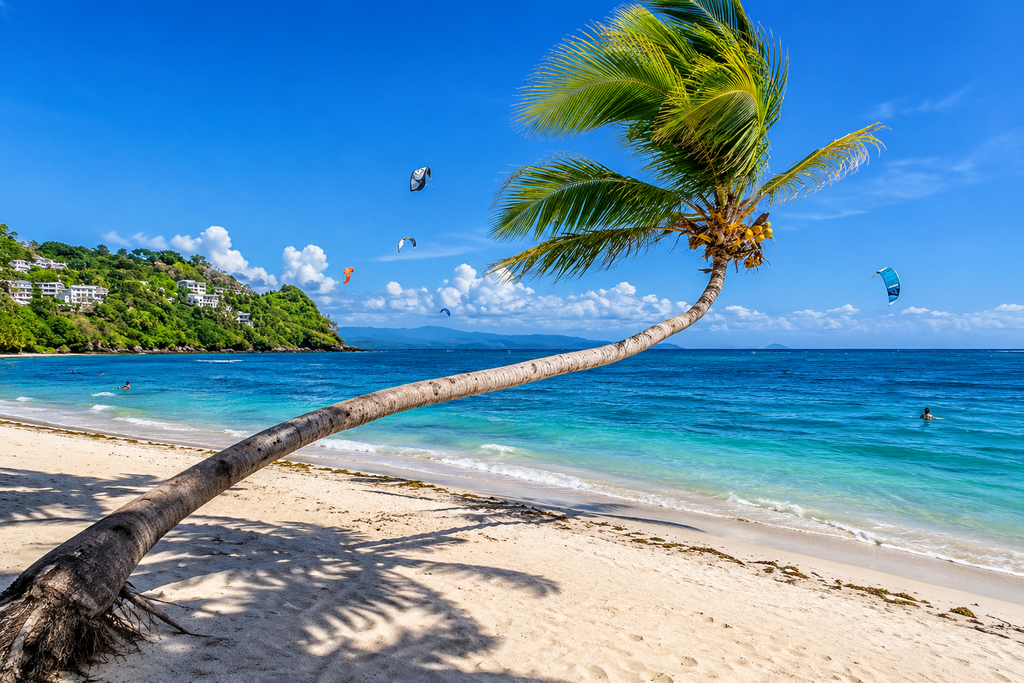
During the northeast monsoon season, strong and relatively consistent winds create favorable conditions for kiteboarding and windsurfing.
Colorful kites often fill the sky, creating an exciting atmosphere.
Visitors can take beginner lessons from qualified instructors or simply watch experienced riders perform impressive maneuvers.
Best for: Kiteboarders, windsurfers, adventure travelers, and water sports enthusiasts.
5. Ilig-Iligan Beach – A Quieter Side of Boracay
Ilig-Iligan Beach offers another peaceful coastal experience away from the main tourist areas.
Located on the northeastern side of the island, this beach features beautiful scenery, clear water during favorable conditions, and a less commercialized atmosphere.
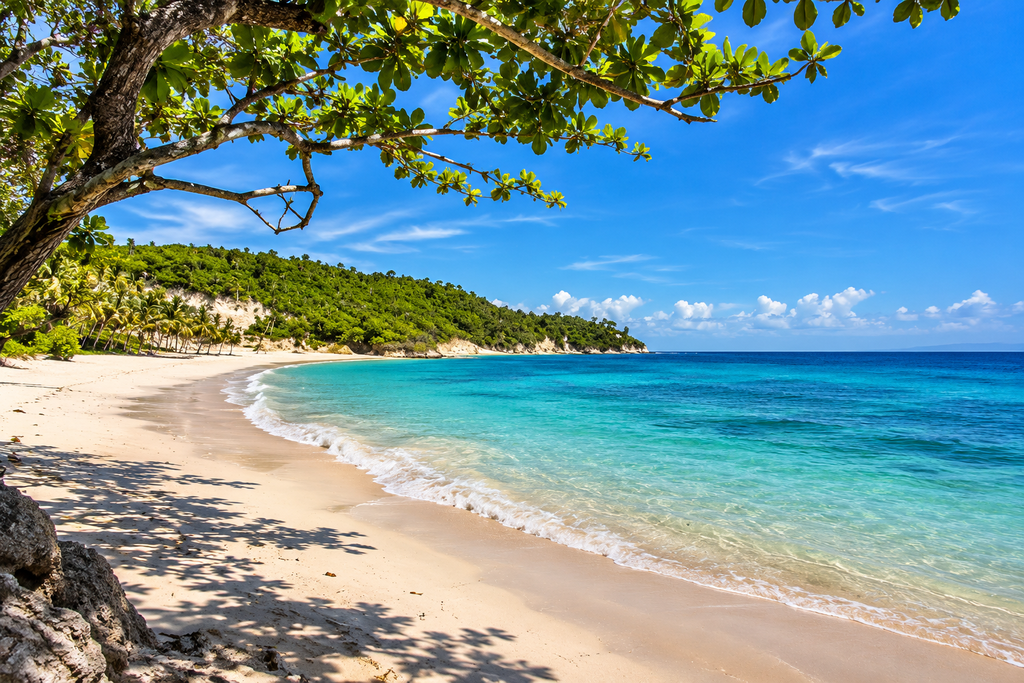
Visitors looking for quiet places to relax may appreciate its natural surroundings.
Swimming and snorkeling conditions vary depending on the weather, tides, and sea currents.
Best for: Nature lovers and travelers looking for less crowded beaches.
Best Things to Do on Boracay Island
Boracay offers an impressive selection of experiences, from relaxing beach activities to exciting outdoor adventures.
Here are some of the best things to include in your itinerary.
1. Experience Boracay Island Hopping
A Boracay island hopping tour is one of the most popular activities for visitors who want to explore beyond White Beach.
These boat excursions take travelers to selected beaches, snorkeling areas, and coastal attractions around Boracay.
Depending on the tour package, weather, and local regulations, possible stops may include:
- Puka Shell Beach
- Crocodile Island snorkeling areas
- Ilig-Iligan Beach
- Tambisaan snorkeling spots
- Other permitted coastal destinations
Many tours include snorkeling equipment, while some packages also offer lunch.
Shared tours are generally more affordable, while private excursions provide greater flexibility.
Before booking, check the itinerary carefully because operators may change or cancel stops depending on sea conditions.
Estimated cost: Approximately ₱800–₱1,500 per person for selected shared tours, depending on inclusions.
2. Enjoy Sunset Paraw Sailing
Paraw sailing is one of Boracay’s signature experiences.
A paraw is a traditional Filipino outrigger sailboat that uses colorful sails to move across the water.
During sunset, visitors can enjoy beautiful views of White Beach while sailing along the coastline.
The experience usually lasts around 30 minutes, although trip durations vary by operator.
Watching the sunset from the water creates a completely different perspective of Boracay’s tropical scenery.
Best time: Late afternoon, shortly before sunset.
Estimated cost: Approximately ₱1,000–₱2,500 per boat or booking, depending on the package.
3. Try Parasailing Above the Turquoise Sea
Parasailing offers one of Boracay’s most exciting aerial adventures.
A speedboat pulls a specially designed parachute, lifting participants high above the sea.
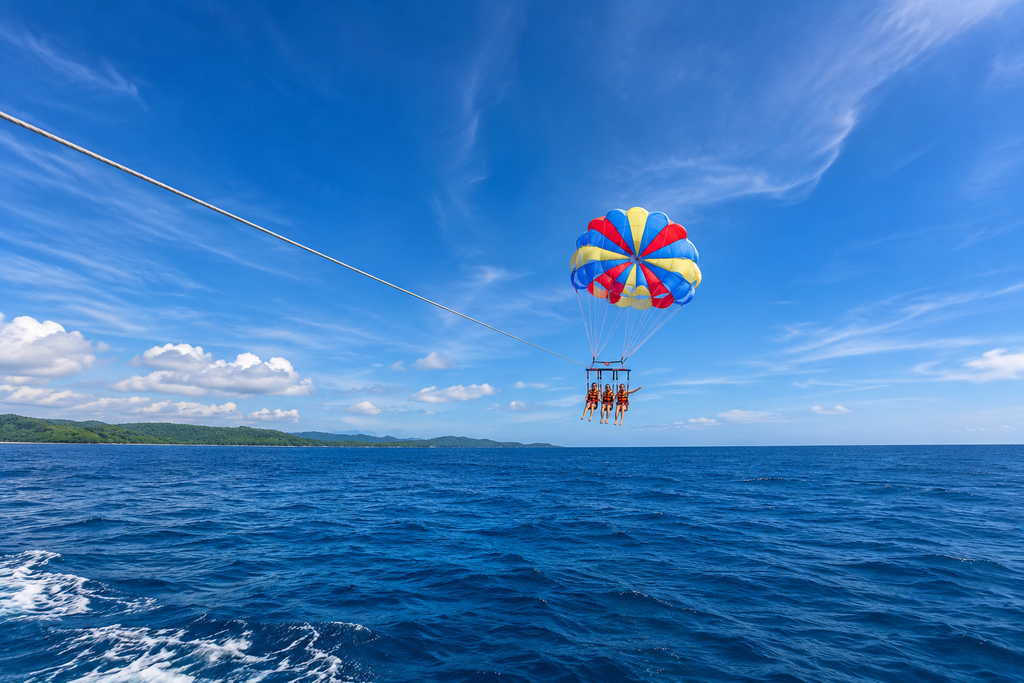
From above, you can enjoy panoramic views of the coastline, turquoise waters, and surrounding islands.
Many operators offer tandem flights, making the activity suitable for couples or friends who want to share the experience.
Always choose licensed operators who provide proper safety equipment and follow weather restrictions.
4. Discover Boracay’s Underwater World
Snorkeling allows visitors to explore marine life beneath Boracay’s beautiful waters.
During favorable conditions, selected snorkeling areas around the island offer opportunities to observe tropical fish and coral formations.
Crocodile Island, named after its crocodile-like shape rather than actual crocodiles, is a commonly featured snorkeling destination.
Visitors can also explore other designated snorkeling areas with experienced local guides.
For a more adventurous experience, certified scuba divers can book diving excursions with established dive centers.
Avoid touching coral, feeding marine animals, or standing on underwater reefs.
5. Visit Willy’s Rock
Willy’s Rock is one of Boracay’s most photographed landmarks.
Located near Station 1, this distinctive rock formation rises from the shallow water just offshore.
A small shrine dedicated to the Virgin Mary sits on the formation.
During low tide, visitors can often approach the rock formation on foot.
Its unusual shape and beautiful coastal background make it a popular photography destination.
For the best experience, visit during low tide and avoid slippery rocks.
6. Enjoy Beachfront Dining and Nightlife
Boracay offers an impressive variety of restaurants, ranging from casual Filipino eateries to international dining establishments.
Visitors can enjoy fresh seafood, grilled meats, tropical fruits, and popular Filipino dishes.
Many beachfront restaurants provide beautiful sunset views.
After dark, Station 2 becomes the island’s main nightlife destination, with bars, music venues, and restaurants creating a lively atmosphere.
For a quieter evening, choose a beachfront restaurant in Station 1 or Station 3.
How to Get to Boracay Island
Getting to Boracay involves traveling to Panay Island and taking a short boat ride to the island.
Although Boracay does not have its own commercial airport, reaching it is relatively straightforward.
Before traveling, check the latest visitor guidelines published by the Aklan Provincial Tourism Office to confirm current entry procedures and transportation requirements.
Option 1: Fly to Caticlan Airport
Caticlan Airport, officially known as Godofredo P. Ramos Airport, is the closest airport to Boracay.
Domestic flights commonly connect Caticlan with Manila and Cebu, subject to airline schedules.
After arriving at Caticlan Airport:
- Take a tricycle, van, or arranged transfer to Caticlan Jetty Port.
- Complete the required passenger registration and pay applicable fees.
- Board a passenger boat heading to Boracay.
- Arrive at Cagban Port or another designated arrival port.
- Take an electric tricycle or arranged vehicle to your accommodation.
The boat crossing generally takes approximately 10–15 minutes, depending on weather conditions.
Option 2: Fly to Kalibo International Airport
Kalibo International Airport provides another gateway to Boracay.
This option sometimes offers competitive airfare, although flight availability and prices vary.
From Kalibo, travelers must take a van, bus, or private transfer to Caticlan Jetty Port.
The journey usually takes around 1.5–2 hours, depending on traffic and road conditions.
After reaching the port, follow the same boat transfer process.
Travel tip: Caticlan is generally the more convenient option, while Kalibo may offer savings when airfare differences justify the additional travel time.
Boracay Environmental and Terminal Fees
Visitors generally pay environmental, terminal, and boat transportation fees when entering Boracay.
Reported 2026 fees include:
| Fee | Estimated Cost |
|---|---|
| Environmental fee – Filipino visitors | ₱150 |
| Environmental fee – Foreign visitors | ₱300 |
| Terminal fee | ₱150 per crossing |
| Regular passenger boat fare | Approximately ₱50 per crossing |
These are reference amounts, not guaranteed final charges. Discount eligibility, payment-system charges, and packaged transfer arrangements can affect the total.
Aklan Province also provides the LezzGo Boracay registration and payment platform, which allows visitors to organize their travel details and applicable payments before arriving.
Where to Stay on Boracay Island
Choosing the right accommodation area can make a significant difference to your vacation.
Fortunately, Boracay offers options for different travel styles and budgets.
Best Area for Luxury Travelers: Station 1
Station 1 features several upscale beachfront resorts with beautiful surroundings.
Its relatively peaceful atmosphere makes it an excellent location for couples, honeymooners, and travelers seeking premium accommodations.
Visitors can enjoy convenient beach access while remaining close to restaurants and island attractions.
Best Area for First-Time Visitors: Station 2
Station 2 is ideal for travelers who want convenient access to shopping, restaurants, entertainment, and transportation.
Its central location allows visitors to explore much of White Beach on foot.
However, expect a livelier atmosphere, particularly during evenings and peak travel periods.
Best Area for Budget Travelers: Station 3
Station 3 offers a wider selection of smaller hotels, guesthouses, and budget-friendly accommodations.
It provides a quieter environment while keeping the beach within easy reach.
Travelers who prefer relaxed surroundings and affordable lodging may find Station 3 particularly appealing.
Best Area for Privacy: Northern Boracay
The northern part of the island features several luxury resorts and quieter coastal areas.
Some properties offer private or semi-private beachfront settings, creating an atmosphere well suited to romantic vacations.
However, traveling to Station 2 and other major attractions may require additional transportation.
Best Time to Visit Boracay Island
The best time to visit Boracay is generally December through April, when the island typically experiences favorable weather for swimming, sunbathing, and outdoor activities.
However, each season offers different advantages.
December to February: Pleasant Weather and Beautiful Beaches
- These months usually bring relatively comfortable temperatures and favorable beach conditions.
- The northeast monsoon, locally called Amihan, often creates calmer water along White Beach.
- Visitors can enjoy swimming, sunset sailing, and relaxing on the sand.
- However, Christmas, New Year, and other holidays attract large crowds.
March to May: Sunny Days and Tropical Heat
- March through May generally brings warmer temperatures and plenty of opportunities for beach activities.
- These months are popular among Filipino travelers, particularly during summer holidays.
- Expect stronger midday heat and potentially higher accommodation prices during busy periods.
June to October: Rainy Season and Fewer Crowds
- The southwest monsoon, known as Habagat, typically affects Boracay during these months.
- Travelers may experience stronger winds, heavier rainfall, and rougher seas along White Beach.
- However, accommodation prices can become more affordable, and some areas feel less crowded.
- Those traveling during the rainy season should maintain flexible schedules and monitor local weather forecasts.
Best overall recommendation: Choose January, February, or early March for a good balance of beach weather and outdoor activities, while avoiding major holidays when possible.
How Much Does a Boracay Vacation Cost?
Boracay accommodates different travel budgets, from affordable guesthouses to high-end luxury resorts.
The following estimates provide a general idea of daily expenses.
| Expense | Budget Traveler | Mid-Range Traveler | Luxury Traveler |
|---|---|---|---|
| Accommodation per room/night | ₱1,500–₱3,000 | ₱3,500–₱7,000 | ₱10,000+ |
| Food per person/day | ₱500–₱900 | ₱1,000–₱2,000 | ₱2,500+ |
| Local transportation per person/day | ₱100–₱300 | ₱300–₱600 | ₱700+ |
| Activities per person/day | ₱500–₱1,000 | ₱1,000–₱2,500 | ₱3,000+ |
These are approximate planning allowances rather than verified hotel or tour quotations. Costs vary significantly by season, booking date, accommodation, and activities.
Suggested Budget for a 3-Day, 2-Night Trip
For travelers sharing a room, a reasonable starting budget might be:
- Budget vacation: ₱5,000–₱8,000 per person
- Mid-range vacation: ₱9,000–₱15,000 per person
- Luxury vacation: ₱20,000 or more per person
These estimates exclude airfare and major shopping expenses.
Booking accommodations early, traveling outside peak holidays, and choosing affordable local restaurants can help reduce costs.
Suggested 3-Day Boracay Itinerary
Three days provide enough time to experience Boracay’s most popular attractions without rushing through every activity.
Day 1: Arrival and White Beach Exploration
- Arrive at Caticlan Airport and travel to your resort.
- After checking in, spend the afternoon relaxing on White Beach.
- Explore Station 1, visit Willy’s Rock during suitable tidal conditions, and enjoy swimming in the turquoise waters.
- In the late afternoon, experience a sunset paraw sailing trip.
- Finish the day with dinner at a beachfront restaurant.
Day 2: Island Hopping and Water Adventures
- Start your morning with a boat excursion around Boracay.
- Depending on the itinerary and sea conditions, visit selected snorkeling spots and beautiful coastal attractions.
- After returning to White Beach, enjoy lunch and relax before trying parasailing or another water activity.
- Spend the evening exploring D’Mall and the restaurants around Station 2.
Day 3: Puka Beach and Departure
- Begin your final morning with a relaxing breakfast.
- Visit Puka Shell Beach to enjoy its peaceful surroundings and take photographs.
- If time permits, explore another quieter beach or enjoy a final swim along White Beach.
- Return to your hotel, collect your luggage, and travel to the airport.
Travel tip: Allow sufficient time for port transfers and possible transportation delays, especially during peak travel periods.
Essential Boracay Travel Tips
A few practical preparations can help make your Boracay vacation more enjoyable.
Book accommodations early. Popular beachfront resorts can fill quickly during Christmas, New Year, Holy Week, and summer holidays.
Bring reef-conscious sun protection. Use sunscreen, protective clothing, and a hat to reduce sun exposure during outdoor activities.
Carry some Philippine pesos. Although many establishments accept electronic payments, cash remains useful for smaller shops, transportation, and local services.
Respect environmental regulations. Follow local restrictions on smoking, littering, beach activities, and other practices designed to protect the island.
Choose responsible tour operators. Book water activities with experienced providers who supply appropriate safety equipment.
Check weather forecasts. Rain, strong winds, and rough seas can affect swimming, sailing, and island-hopping schedules.
Respect marine ecosystems. Never touch coral, collect protected marine life, or leave trash on the beach.
Plan transportation in advance. Prearranged airport transfers can simplify arrival, especially when traveling with children or large amounts of luggage.
Frequently Asked Questions About Boracay Island
Where is Boracay Island located?
If you’re wondering where is Boracay island located, you’ll find it in Malay, Aklan, in the Western Visayas region of the Philippines. It sits just off the northwestern tip of Panay Island and is accessible through Caticlan or Kalibo.
Is Boracay worth visiting?
Yes. Boracay is worth visiting for its beautiful white-sand beaches, turquoise waters, spectacular sunsets, excellent accommodations, and wide range of water activities. It is particularly appealing to travelers who want a convenient tropical getaway with plenty of restaurants and entertainment.
What is Boracay famous for?
Boracay is best known for White Beach, its approximately four-kilometer stretch of fine white sand, stunning sunsets, traditional paraw sailing, luxury resorts, and vibrant nightlife.
How many days should I spend in Boracay?
Three to four days are ideal for most first-time visitors. This provides enough time to enjoy White Beach, explore nearby attractions, experience island hopping, and relax without feeling rushed.
Is Boracay suitable for families?
Yes. Boracay offers family-friendly resorts, beautiful beaches, restaurants, and activities suitable for different age groups. Families should choose swimming areas carefully and follow local safety warnings, especially when traveling with younger children.
What is the best month to visit Boracay?
January and February are excellent choices for many visitors because they generally offer pleasant weather and favorable swimming conditions along White Beach. However, actual conditions vary, and travelers should check forecasts before departure.
Which is better, Station 1, Station 2, or Station 3?
Station 1 is ideal for upscale accommodations and a more relaxed atmosphere. Station 2 suits visitors who prefer shopping, restaurants, and nightlife. Station 3 generally offers quieter surroundings and more affordable lodging options.
Can you visit Boracay on a budget?
Yes. Budget travelers can save money by staying in Station 3, eating at local restaurants, comparing tour packages, and avoiding peak holiday periods.
Final Thoughts: Is Boracay Island Worth Visiting?
Boracay Island remains one of the Philippines’ most celebrated tropical destinations, combining extraordinary natural beauty with convenient accommodations, exciting activities, and unforgettable coastal scenery.
Its powdery white sand, crystal-clear waters, and spectacular sunsets create the perfect setting for a relaxing beach vacation.
However, what makes Boracay particularly appealing is the variety of experiences available within such a small destination.
Travelers can spend mornings swimming along White Beach, afternoons exploring quieter coastal areas, and evenings enjoying sunset sailing or beachfront dining.
Whether you’re planning a romantic escape, a family vacation, or your first tropical adventure in the Philippines, Boracay offers an enjoyable combination of relaxation, adventure, and convenience.
For travelers exploring the country’s beautiful coastlines, Boracay deserves a place alongside Palawan, Cebu, and other outstanding Philippine island destinations.
With its remarkable beaches, warm Filipino hospitality, and unforgettable tropical atmosphere, Boracay continues to show why the Philippines is one of Southeast Asia’s most rewarding beach destinations.
If you prefer quieter tropical destinations surrounded by dramatic limestone cliffs, consider visiting Entalula Beach in El Nido, Palawan, which earned international recognition as the world’s best beach in 2026.
For a different Philippine island experience, discover Camiguin Island, where volcanic landscapes, waterfalls, natural springs, and the beautiful White Island sandbar offer an unforgettable tropical adventure.