
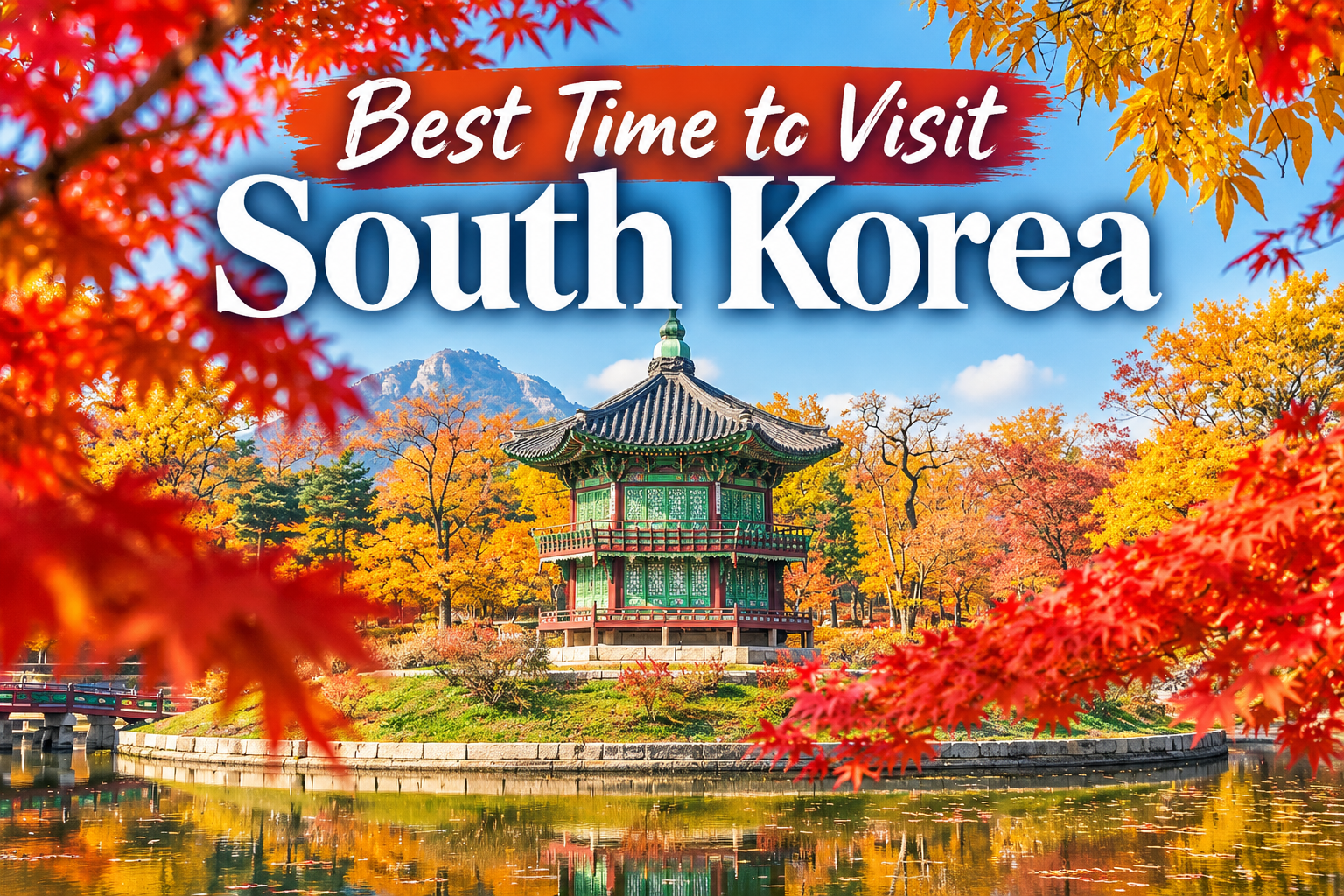
Choosing the best time to visit South Korea can transform a good holiday into an unforgettable experience. This fascinating country blends ancient palaces, vibrant modern cities, delicious street food, beautiful mountains, and coastal destinations. For most travelers, spring (April–May) and autumn (September–October) offer the most comfortable weather for sightseeing and outdoor adventures. Spring brings breathtaking cherry blossoms, while autumn transforms South Korea’s landscapes into stunning displays of red, orange, and golden foliage.
However, every season offers something special. Spring is perfect for flower-filled walks, summer brings lively festivals and beach vacations, autumn offers colorful mountain scenery, and winter creates opportunities for snow activities and skiing. Weather conditions, tourist crowds, accommodation prices, and personal interests can influence when you should travel. This guide explores South Korea’s seasonal weather, the best months to visit, popular attractions throughout the year, and practical travel recommendations to help you plan an unforgettable Korean adventure.
When Is the Best Time to Visit South Korea? A Quick Overview
For most travelers, the best time to visit South Korea is during April to May or September to October, when temperatures are generally comfortable for exploring cities, cultural attractions, and beautiful natural landscapes.
April is particularly popular for cherry blossoms, while October offers pleasant autumn weather and the beginning of spectacular fall colors in many regions. However, travelers who enjoy beaches, skiing, or seasonal festivals may prefer different months.
Here’s a quick overview of what to expect throughout the year.
| Season | Months | Typical Weather | Best For |
|---|---|---|---|
| Spring | March–May | Mild, gradually warming | Cherry blossoms, sightseeing, gardens |
| Summer | June–August | Hot, humid, rainy periods | Beaches, festivals, coastal destinations |
| Autumn | September–November | Mild to cool, often clear | Autumn foliage, hiking, photography |
| Winter | December–February | Cold, often below freezing inland | Skiing, winter festivals, snowy scenery |
Quick recommendation: Choose April or May for spring scenery, October for comfortable sightseeing and autumn landscapes, July or August for beaches, and January or February for skiing.
Best Time to Visit South Korea by Season
South Korea experiences four distinct seasons, each offering different weather conditions, landscapes, and activities. Understanding these seasonal differences makes choosing your travel dates much easier.
Spring (March to May): Cherry Blossoms and Pleasant Weather
Spring is one of the most beautiful seasons in South Korea. After the freezing winter months, temperatures gradually rise, flowers begin blooming, and parks fill with colorful blossoms.
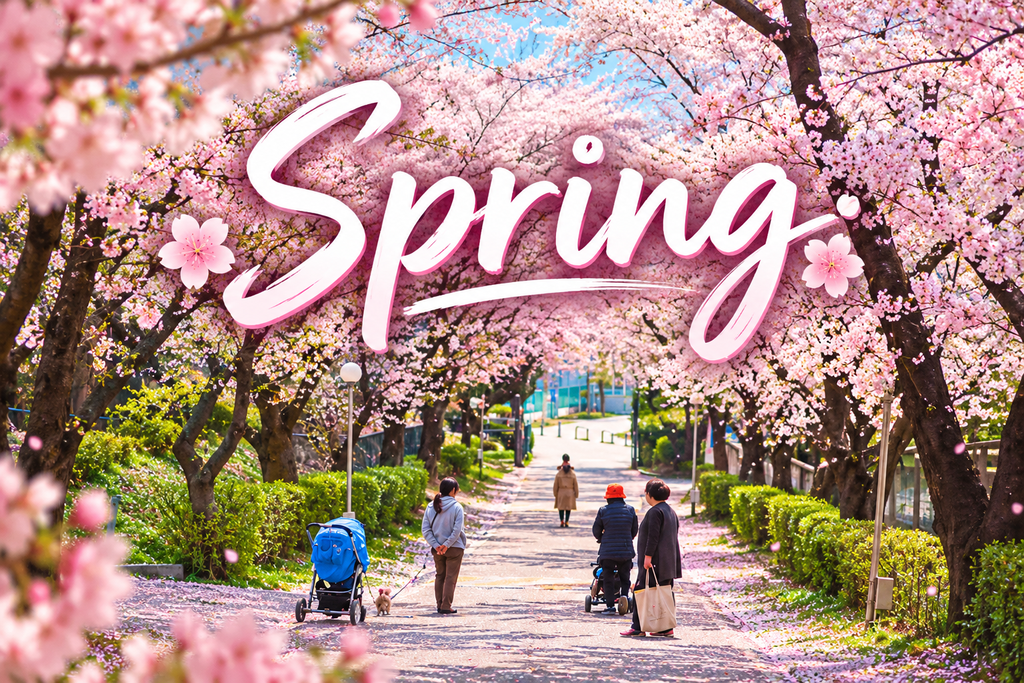
March can still feel chilly, particularly during mornings and evenings. By April, temperatures become more comfortable for exploring outdoor attractions. May usually brings warmer days, making it excellent for sightseeing and walking around cities.
In Seoul, average daily high temperatures rise from approximately 18°C in April to 24°C in May, although actual conditions vary from year to year.
The best time to visit South Korea for cherry blossoms is generally late March through early April, depending on the destination and weather conditions.
Popular places to experience spring include:
- Yeouido Hangang Park, Seoul: Famous for cherry blossom-lined walking paths near the Han River.
- Seokchon Lake, Seoul: A beautiful lakeside destination surrounded by flowering cherry trees.
- Jinhae, Changwon: One of the country’s most celebrated cherry blossom destinations.
- Gyeongju: Historic temples and traditional architecture surrounded by spring flowers.
- Jeju Island: Beautiful spring landscapes, canola flowers, and scenic coastal drives.
One important consideration is that cherry blossom season attracts large numbers of tourists. Hotels near popular attractions can become more expensive, so booking early is advisable.
Travel tip: If you prefer mild weather but want to avoid the busiest cherry blossom crowds, consider visiting in May. The scenery remains beautiful, and outdoor sightseeing is generally comfortable.
Summer (June to August): Beaches, Festivals, and Outdoor Adventures
Summer brings warm temperatures, lush green landscapes, and a lively atmosphere throughout South Korea.
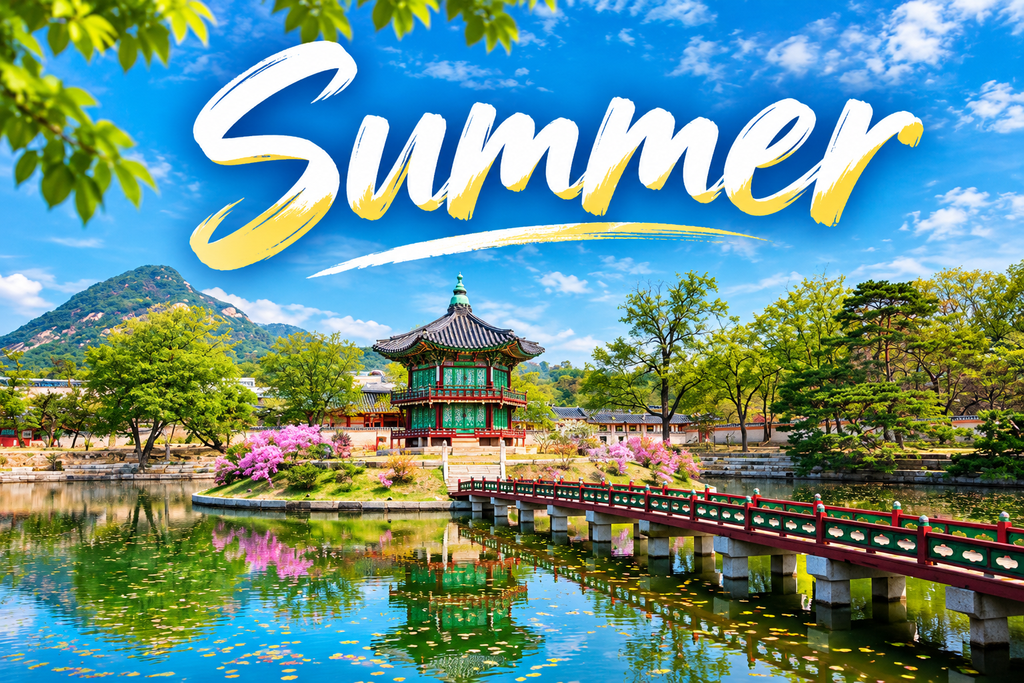
However, this season can also be hot and humid, especially in Seoul and other inland cities. Daytime temperatures frequently approach or exceed 30°C during July and August.
South Korea also experiences a summer rainy season, typically affecting parts of late June and July. Heavy rainfall can occasionally disrupt outdoor activities and travel plans.
Despite the humidity, summer is ideal for travelers interested in beaches, water activities, and seasonal festivals.
Busan becomes especially attractive during the summer months because of its beautiful coastline. Haeundae Beach and Gwangalli Beach are popular destinations for swimming, relaxing, and enjoying seaside restaurants.
Jeju Island is another excellent summer destination, offering volcanic landscapes, waterfalls, coastal attractions, and beaches.
Summer also brings exciting cultural festivals, outdoor entertainment, and vibrant nightlife.
Nevertheless, travelers should prepare for sudden rain showers and crowded beaches during peak vacation periods.
Travel tip: Pack lightweight clothing, sunscreen, comfortable footwear, and a compact umbrella. Plan outdoor sightseeing for the morning or evening when temperatures are usually more manageable.
Autumn (September to November): Colorful Foliage and Comfortable Weather
Autumn is often considered one of the most rewarding seasons for exploring South Korea.

After the summer heat, temperatures gradually become cooler, humidity decreases, and the country’s mountains, parks, and historic attractions begin transforming into colorful autumn landscapes.
September can still feel warm, especially early in the month. October usually offers more comfortable conditions, while November brings colder temperatures and beautiful late-autumn scenery.
For travelers who enjoy photography, hiking, and outdoor sightseeing, autumn may be the best time to visit South Korea.
One of the highlights is watching maple trees turn brilliant shades of red and orange while ginkgo trees display golden-yellow leaves.
Some of the most beautiful autumn destinations include Seoraksan National Park, Naejangsan National Park, Nami Island, and Seoul’s historic palace grounds.
Keep in mind that autumn foliage does not peak everywhere simultaneously. Mountainous areas often change color earlier, while some parks and lower-elevation destinations reach their peak in late October or November.
Travel tip: For a combination of comfortable sightseeing weather and colorful autumn landscapes, consider visiting from mid-October to early November. Check annual foliage forecasts before finalizing your travel dates.
Winter (December to February): Snow, Skiing, and Winter Festivals
Winter transforms South Korea into a completely different destination.

Temperatures drop significantly, particularly in Seoul and mountainous regions. Snow-covered mountains, winter decorations, and seasonal festivals create memorable experiences for travelers who enjoy cold-weather adventures.
December marks the beginning of winter, while January is generally the coldest month.
Seoul experiences average December daytime highs of approximately 4°C, with nighttime temperatures frequently falling below freezing. Busan is generally milder, although it can still feel cold and windy.
Winter offers excellent opportunities for skiing and snowboarding, particularly in Gangwon Province.
Popular winter destinations include Pyeongchang, Yongpyong Resort, and the ski resorts surrounding the Seoul metropolitan area.
Visitors can also enjoy Korean winter comfort food, traditional markets, seasonal light displays, and relaxing indoor attractions.
However, snow in central Seoul is not guaranteed on any particular date. Travelers hoping for consistent snowy landscapes should consider mountain destinations instead.
Travel tip: Bring insulated jackets, thermal clothing, gloves, scarves, and suitable footwear. Heated indoor spaces are common, but outdoor sightseeing can be uncomfortable without proper winter clothing.
If freezing temperatures aren’t your idea of a perfect vacation, discover our recommendations for warm places to visit in December, featuring tropical beaches, sunny cities, and relaxing winter escapes.
Weather in South Korea in October: Is It a Good Month to Visit?
October is one of the most appealing months for visiting South Korea, especially for travelers who want to explore comfortably without dealing with extreme summer heat or freezing winter temperatures.
The weather in South Korea in October is generally mild, with cooler mornings and evenings and comfortable daytime conditions.
According to climate information published by the Korea Tourism Organization, Seoul has average October daily highs of approximately 20°C and lows around 11°C. Busan is typically warmer, with average highs near 23°C and lows around 15°C.
These temperatures make October especially enjoyable for walking tours, palace visits, scenic hikes, and outdoor photography.
Traveling to South Korea in October also provides opportunities to experience early and mid-autumn foliage, depending on the region and elevation.
Mountainous destinations such as Seoraksan often display beautiful autumn colors before many urban parks reach their peak.
Because the weather in South Korea in October becomes noticeably cooler after sunset, packing layers is essential.
A lightweight jacket, comfortable walking shoes, long pants, and a sweater are usually practical choices.
October is also a popular travel month, so booking accommodations early is recommended, particularly near famous autumn attractions.
Best Places to Visit in South Korea During Each Season
South Korea offers an impressive variety of destinations, from modern cities and historic villages to mountains, islands, and coastal attractions.
The best places to visit in South Korea depend largely on the season and the type of experience you’re looking for.
Seoul: Best During Spring and Autumn
Seoul is a wonderful destination throughout the year, but spring and autumn provide particularly comfortable conditions for exploring the city.
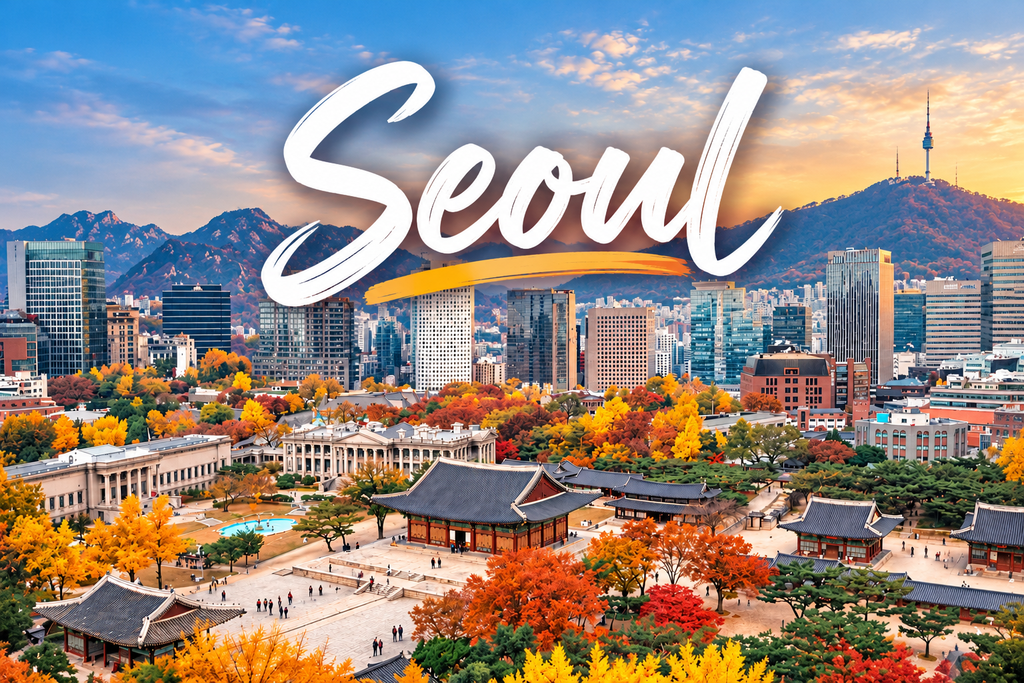
During these seasons, travelers can visit Gyeongbokgung Palace, explore traditional streets in Bukchon Hanok Village, shop in Myeongdong, and enjoy panoramic city views from N Seoul Tower.
Spring adds colorful blossoms to the city’s parks and walking paths, while autumn creates beautiful scenery around historic palaces and mountain trails.
For first-time visitors, Seoul is an excellent starting point because it offers a combination of Korean history, modern attractions, shopping, and food experiences.
Busan: Best During Summer and Early Autumn
Busan is South Korea’s famous coastal city, known for its beaches, seafood markets, colorful hillside neighborhoods, and seaside temples.
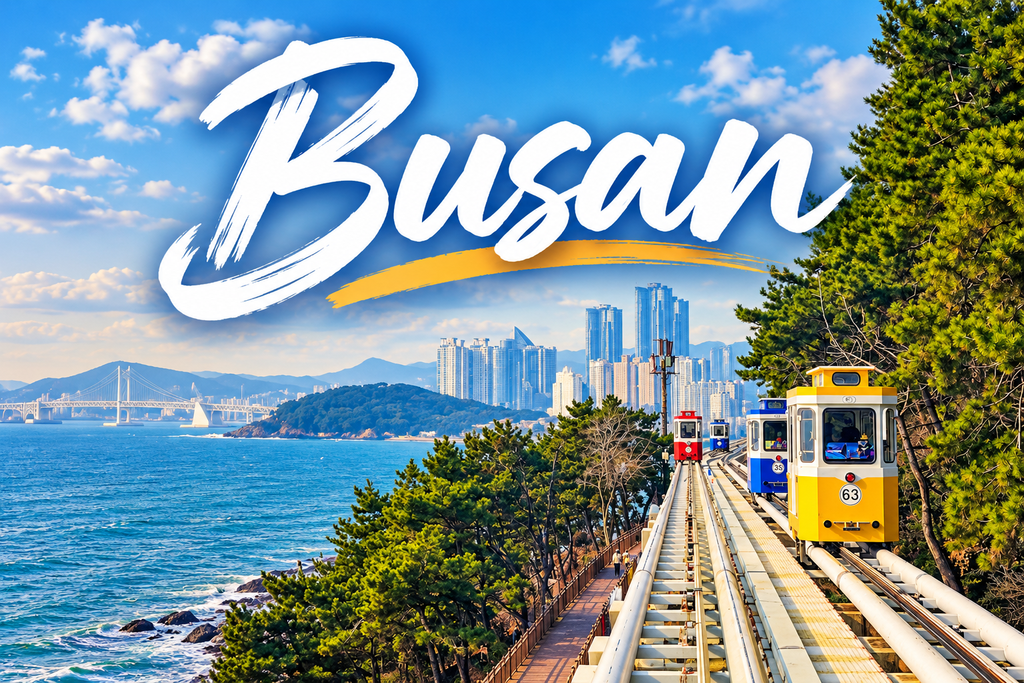
Summer is ideal for travelers who want to experience Haeundae Beach, Gwangalli Beach, and the city’s lively coastal atmosphere.
However, September and October can be especially enjoyable for sightseeing because temperatures are usually more comfortable.
Don’t miss Gamcheon Culture Village, Haedong Yonggungsa Temple, and Jagalchi Market.
Jeju Island: Best During Spring and Autumn
Jeju Island is famous for its volcanic landscapes, waterfalls, scenic coastal roads, and beautiful countryside.

Spring is particularly attractive because of colorful flowers, pleasant temperatures, and green landscapes.
Autumn is another excellent season for exploring the island’s natural attractions, including Hallasan National Park and Seongsan Ilchulbong.
Summer can also be wonderful for beaches and water activities, although humidity, rainfall, and occasional storms may affect outdoor plans.
Gangwon Province: Best During Autumn and Winter
Gangwon Province is a fantastic destination for travelers who love mountains, hiking, and winter sports.
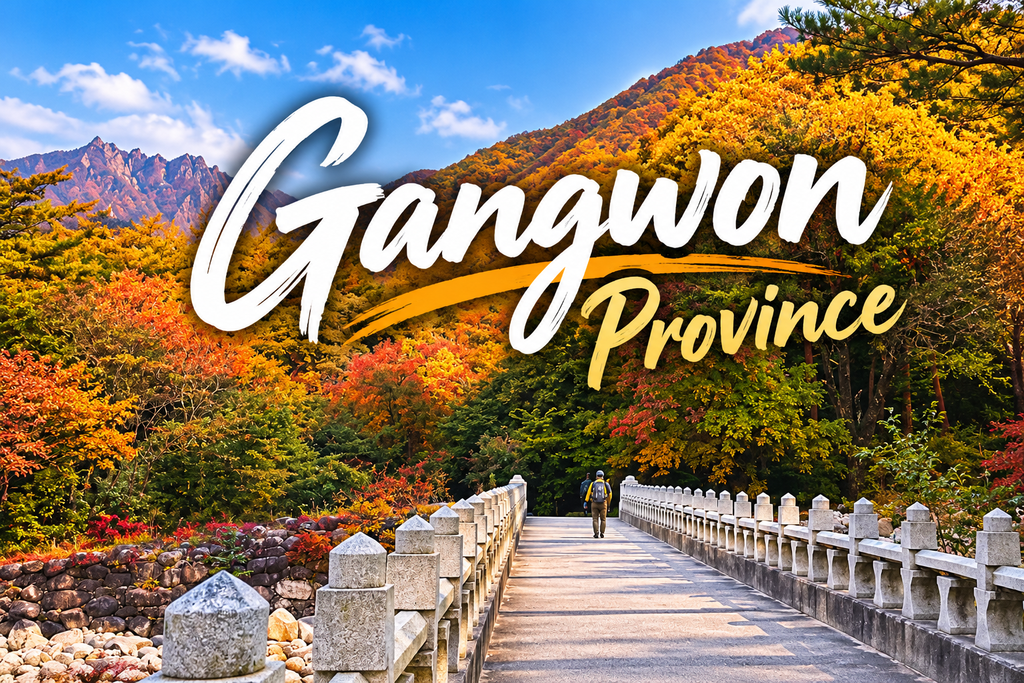
Autumn brings colorful foliage to Seoraksan National Park and its surrounding landscapes.
Winter, meanwhile, transforms mountain resorts into popular destinations for skiing, snowboarding, and other snow activities.
Travelers interested in experiencing South Korea’s snowy landscapes will find this region particularly appealing.
Best Time to Visit South Korea Based on Your Travel Preferences
Different travelers have different priorities, so there is no single perfect month for everyone.
When people ask, “When is the best time to visit South Korea?”, the most useful answer depends on what they hope to experience.
| Travel Preference | Recommended Months | Why Visit |
|---|---|---|
| First-time sightseeing | April–May, September–October | Generally pleasant temperatures |
| Cherry blossoms | Late March–early April | Beautiful spring flowers |
| Autumn foliage | Mid-October–early November | Colorful forests and mountains |
| Beaches and swimming | July–August | Warm weather and active beach season |
| Skiing and snowboarding | December–February | Winter sports and mountain resorts |
| Hiking | April–May, October | More comfortable outdoor conditions |
| Winter scenery | January–February | Better opportunities for snow in mountain regions |
| Fewer crowds | Selected dates in March, June, and November | May be quieter outside major holidays |
Best Months for First-Time Visitors
If you’re planning your first trip, April, May, September, and October are excellent starting points.
These months generally allow you to explore Seoul, Busan, Gyeongju, and other major destinations without experiencing the most extreme summer or winter temperatures.
April is especially appealing for spring scenery, while October offers comfortable walking conditions and beautiful autumn landscapes.
Best Months for Budget Travelers
Budget-conscious travelers may find better accommodation deals outside major holidays, cherry blossom season, and peak autumn travel periods.
Early March, parts of June, and selected November dates are worth comparing.
However, prices depend on the destination, hotel availability, school holidays, and local events.
It’s worth checking several travel dates rather than assuming a particular month will always be cheaper.
Crowds, Travel Costs, and Practical Planning Tips
Choosing the right travel dates involves more than checking the weather.
South Korea becomes particularly busy during cherry blossom season, popular autumn foliage periods, summer vacations, and major national holidays.
The best time to visit South Korea for travelers hoping to avoid large crowds may be outside these peak travel windows.
For example, May can offer comfortable spring weather after the busiest blossom period, although holidays and weekends can still attract visitors.
Similarly, early November may provide beautiful autumn scenery in some regions, but temperatures become noticeably colder.
To make your trip more enjoyable, consider these practical recommendations:
- Book accommodations early: Popular neighborhoods in Seoul and Busan can become expensive during busy travel periods.
- Check Korean public holidays: Seollal (Lunar New Year) and Chuseok can significantly affect transportation demand and business hours.
- Pack for changing temperatures: Spring and autumn often have noticeable differences between daytime and nighttime weather.
- Monitor seasonal forecasts: Cherry blossoms and autumn foliage depend on actual weather conditions.
- Plan indoor alternatives: Museums, shopping centers, traditional markets, and cafés are excellent backup options during rainy or extremely cold days.
If you’re traveling across multiple regions, remember that coastal destinations and mountainous areas can experience noticeably different weather on the same day.
Before heading out for sightseeing, check the latest forecasts from the Korea Meteorological Administration to stay informed about temperature changes, rainfall, and potential severe weather.
Frequently Asked Questions About Visiting South Korea
When Is Cherry Blossom Season in South Korea?
A common question among spring travelers is, “When is cherry blossom season in South Korea?”
Cherry blossoms generally appear between late March and early April, although the exact dates depend on the region and weather conditions.
Southern destinations such as Jeju Island and Busan usually experience blooming earlier than Seoul.
For example, the Korea Tourism Organization’s 2026 forecast estimated the first blossoms around March 25 in Jeju and Busan and April 3 in Seoul.
Peak bloom typically follows several days after the flowers first appear.
Since blooming periods change each year, travelers should check updated forecasts before booking trips specifically for cherry blossoms.
Is April or October Better for Visiting South Korea?
Both months are excellent, but they offer different experiences.
April is ideal for visitors who enjoy cherry blossoms, spring festivals, and colorful gardens.
October is particularly attractive for travelers who prefer cooler weather, autumn foliage, scenic hiking, and outdoor photography.
If you’re visiting mainly for comfortable sightseeing rather than a particular seasonal attraction, either month can be a good choice.
What Is the Weather in South Korea in December?
The weather in South Korea in December is generally cold, particularly in Seoul and northern inland regions.
Temperatures often fall below freezing overnight, and snowfall becomes possible in some areas.
However, December snowfall is not guaranteed in Seoul.
Southern coastal destinations such as Busan generally experience milder conditions.
Travelers should prepare for cold winds, shorter daylight hours, and the need for warm winter clothing.
December is a good month for visitors interested in festive decorations, winter food, and the beginning of the skiing season.
When Is the Best Time to Visit South Korea to Avoid Crowds?
A common planning question is, “When is the best time to visit South Korea if I want fewer crowds?”
Consider traveling during early March, selected weeks in June, or November, depending on your destination.
These periods may offer quieter attractions compared with peak cherry blossom weekends and popular autumn travel dates.
However, always check national holidays, festivals, and school vacation schedules because visitor numbers can vary significantly.
Is South Korea Worth Visiting During Winter?
Absolutely. Winter offers experiences that aren’t available during the warmer seasons.
Visitors can enjoy skiing, snowboarding, winter festivals, seasonal markets, and beautiful mountain scenery.
Seoul also has plenty of indoor attractions, traditional restaurants, museums, and shopping destinations.
The main consideration is the cold weather, so proper clothing and realistic outdoor plans are essential.
How Many Days Should You Spend in South Korea?
For first-time visitors, seven to ten days is a practical starting point.
A seven-day trip allows you to explore Seoul and potentially add another destination such as Busan or Gyeongju.
With ten days, you can travel at a more relaxed pace and include additional cultural attractions, neighborhoods, or nature experiences.
If you want to explore Seoul, Busan, and Jeju Island together, a longer trip may be more comfortable.
Final Thoughts: Choosing the Best Time to Visit South Korea
South Korea is a fantastic year-round destination, but choosing the right season can make your experience even more memorable.
For most travelers, the best time to visit South Korea is during spring (April–May) or autumn (September–October), when comfortable temperatures make sightseeing and outdoor adventures particularly enjoyable.
Spring offers beautiful cherry blossoms, autumn brings colorful landscapes, summer is ideal for beaches and festivals, and winter provides opportunities for skiing and snowy mountain experiences.
Ultimately, the perfect time depends on your interests, preferred weather, budget, and travel plans.
Whether you’re wandering through Seoul’s historic palaces, exploring Busan’s coastline, or discovering Jeju Island’s natural beauty, South Korea has something wonderful to offer in every season.