
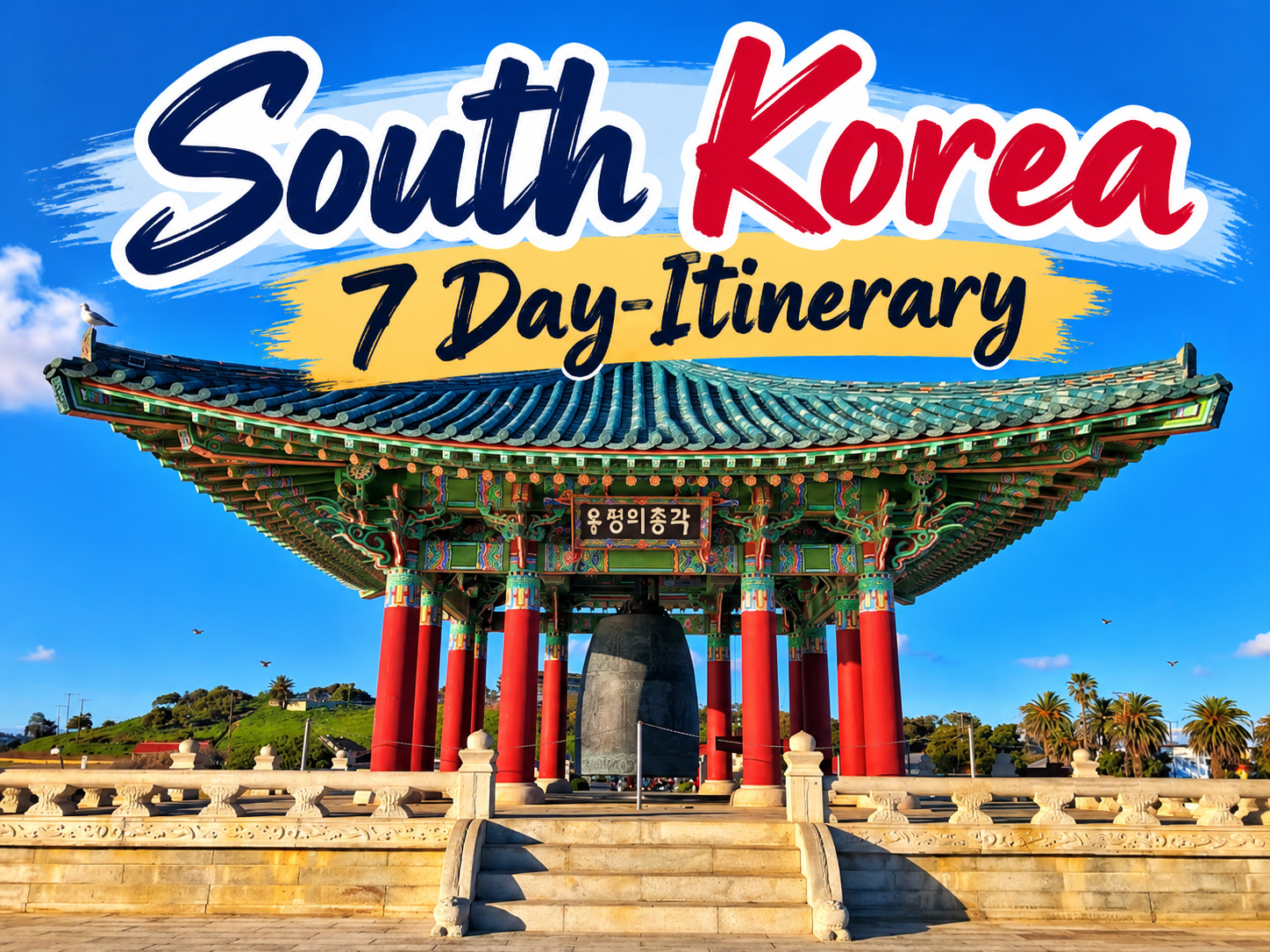
South Korea itinerary 7 days: Start your adventure in the exciting capital of Seoul, discover the country’s ancient history in Gyeongju, and finish your journey along the beautiful coastline of Busan. South Korea is one of Asia’s most fascinating travel destinations, offering an incredible combination of modern cities, traditional Korean villages, historic palaces, breathtaking landscapes, and delicious local cuisine. From Seoul’s lively shopping streets and impressive skyscrapers to Gyeongju’s centuries-old temples and Busan’s sandy beaches, every destination offers something different. Seven days is an excellent amount of time for first-time visitors to experience the country’s highlights without spending their entire vacation rushing between attractions. With efficient high-speed trains connecting major destinations, exploring several parts of South Korea in one week is both practical and rewarding.
This 1-week South Korea itinerary takes you through some of the country’s most memorable attractions, hidden gems, cultural experiences, shopping districts, and food destinations. You’ll explore magnificent royal palaces, wander through traditional neighborhoods, discover historic landmarks, enjoy authentic Korean barbecue, and relax beside the ocean. The itinerary is designed to balance sightseeing with comfortable travel times, allowing you to experience South Korea’s fascinating culture while leaving room for spontaneous discoveries. Along the way, you’ll also find recommendations on where to stay, how to travel between cities, estimated expenses, the best time to visit, and essential travel tips. Whether you’re traveling as a couple, with family, or independently, this guide will help you plan an unforgettable week exploring South Korea.
South Korea Itinerary 7 Days: Quick Overview
The best way to spend seven days in South Korea is to begin in Seoul, travel south to historic Gyeongju, and finish in Busan.
This route offers a balanced introduction to the country’s modern attractions, cultural heritage, and coastal scenery.
| Day | Destination | Main Attractions |
|---|---|---|
| Day 1 | Seoul | Myeongdong, N Seoul Tower, Korean street food |
| Day 2 | Seoul | Gyeongbokgung Palace, Bukchon Hanok Village, Insadong |
| Day 3 | Seoul | Hongdae, Gangnam, Han River |
| Day 4 | Gyeongju | Daereungwon Tomb Complex, Hwangnidan-gil, Donggung Palace |
| Day 5 | Busan | Gamcheon Culture Village, Jagalchi Market, BIFF Square |
| Day 6 | Busan | Haeundae Beach, Haeundae Blueline Park, Gwangalli Beach |
| Day 7 | Busan | Haedong Yonggungsa Temple, shopping, departure |
Recommended overnight stays:
- Seoul: 3 nights
- Gyeongju: 1 night
- Busan: 2 nights
This 7-day Korea itinerary follows a convenient route through the country, minimizing unnecessary travel between destinations.
If your international flight departs from Seoul, you can return from Busan using the KTX high-speed train. However, an open-jaw flight itinerary—arriving in Seoul and departing from Busan—can save valuable travel time when suitable flights are available.
Day 1: Arrive in Seoul and Explore Myeongdong
Your South Korea adventure begins in Seoul, a vibrant capital where futuristic skyscrapers stand alongside historic temples and traditional neighborhoods.
After arriving at Incheon International Airport, travel into the city using the Airport Railroad Express, an airport bus, or a taxi. Once you’ve checked into your accommodation, spend the rest of the day exploring some of Seoul’s most accessible attractions.
Discover Myeongdong Shopping Street
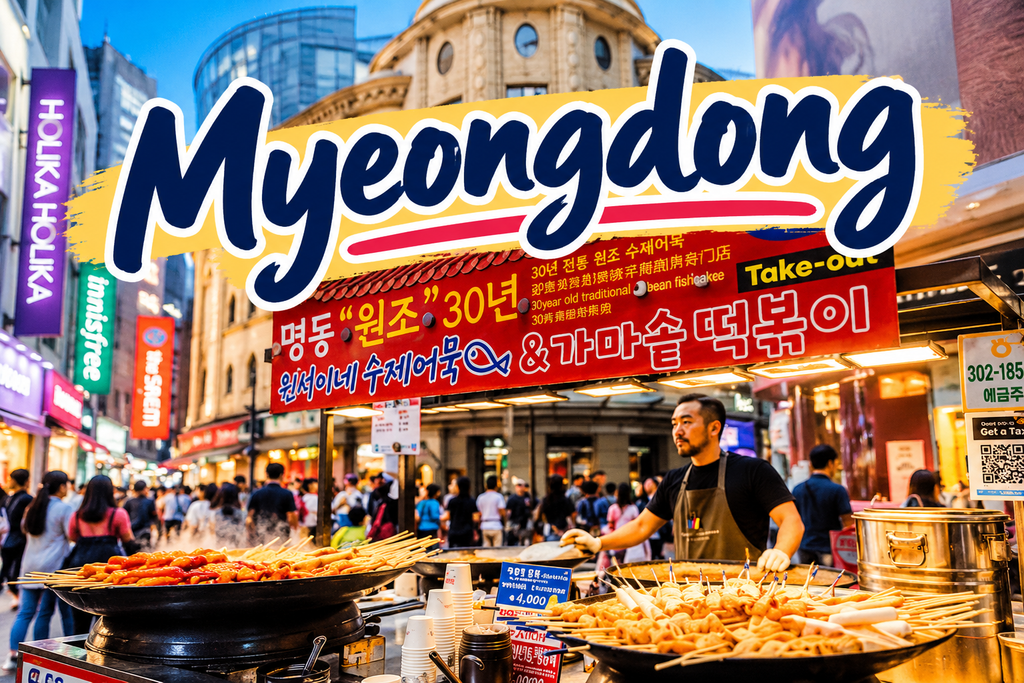
Start with Myeongdong, one of Seoul’s most popular shopping and entertainment districts.
This lively neighborhood is packed with Korean beauty stores, fashion boutiques, souvenir shops, cafés, and restaurants. It’s especially enjoyable during the evening when street-food vendors create a bustling atmosphere.
Try popular Korean snacks such as tteokbokki, hotteok, grilled skewers, and Korean-style fried chicken.
Myeongdong is also an excellent place to shop for skincare products and unique souvenirs.
Enjoy the Views from N Seoul Tower
Later in the afternoon, head toward Namsan Mountain, home to the famous N Seoul Tower.
The tower offers beautiful panoramic views of Seoul’s skyline, making it one of the best places to appreciate the city’s impressive size.
You can explore the surrounding park, ride the cable car if operating, or visit the observation deck.
Travel tip: If you’re arriving after a long international flight, keep your first day relatively relaxed. Myeongdong and Namsan are enough to provide a memorable introduction without exhausting yourself.
Day 2: Explore Seoul’s Historic Palaces and Traditional Neighborhoods
The second day of your 7-day South Korea itinerary focuses on Seoul’s fascinating history and traditional Korean culture.
Although Seoul is famous for its modern lifestyle, some of its most memorable attractions are historic landmarks that reveal the country’s royal past.
Visit Gyeongbokgung Palace
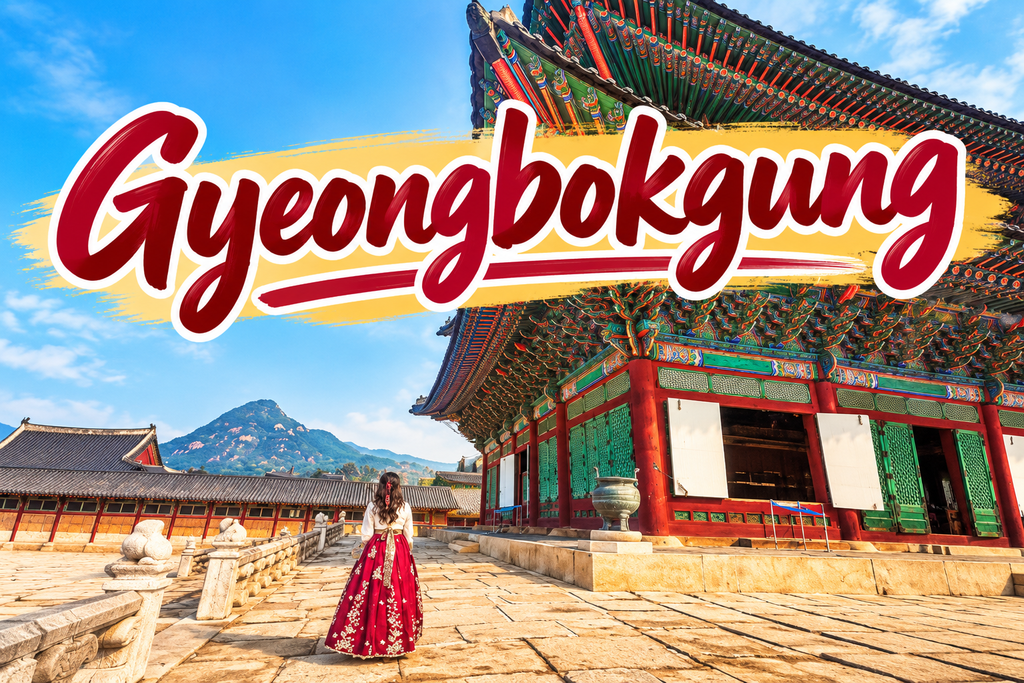
Begin your morning at Gyeongbokgung Palace, one of Seoul’s most important historical attractions.
Originally built during the Joseon Dynasty, the palace is famous for its magnificent architecture, traditional courtyards, impressive gates, and beautiful mountain backdrop.
Walking through the palace grounds offers a fascinating glimpse into Korea’s royal history.
For an especially memorable cultural experience, consider renting a traditional Korean hanbok. Visitors wearing qualifying hanbok can enter the palace free of charge under the palace’s admission policy.
If your schedule allows, watch the Royal Guard Changing Ceremony near the main entrance.
Important: Gyeongbokgung Palace is normally closed on Tuesdays, so adjust your schedule if necessary.
Walk Through Bukchon Hanok Village
Continue to Bukchon Hanok Village, a beautiful neighborhood filled with traditional Korean houses known as hanok.
Its narrow streets, tiled rooftops, and hillside setting create a striking contrast with Seoul’s modern skyline.
Many visitors come here to admire traditional architecture and explore nearby cultural attractions.
However, Bukchon is also a residential neighborhood, so visitors should remain quiet and respect local residents.
Tourist access to designated areas is restricted outside permitted visiting hours, generally 10 a.m. to 5 p.m.
Discover Insadong
Finish your afternoon in Insadong, a charming neighborhood known for its traditional crafts, art galleries, souvenir shops, and tea houses.
Spend some time browsing handmade ceramics, Korean artwork, and traditional gifts.
For a more relaxing experience, enjoy Korean tea and traditional desserts in one of the neighborhood’s cafés.
This part of your 1-week Korea itinerary is particularly rewarding for travelers interested in understanding South Korea beyond its shopping malls and modern attractions.
Day 3: Experience Modern Seoul, Hongdae, and the Han River
After exploring Seoul’s historical side, dedicate your third day to the city’s modern lifestyle, entertainment, and popular neighborhoods.
Seoul has an incredible variety of attractions, from trendy shopping districts to peaceful riverside parks.
Explore Gangnam
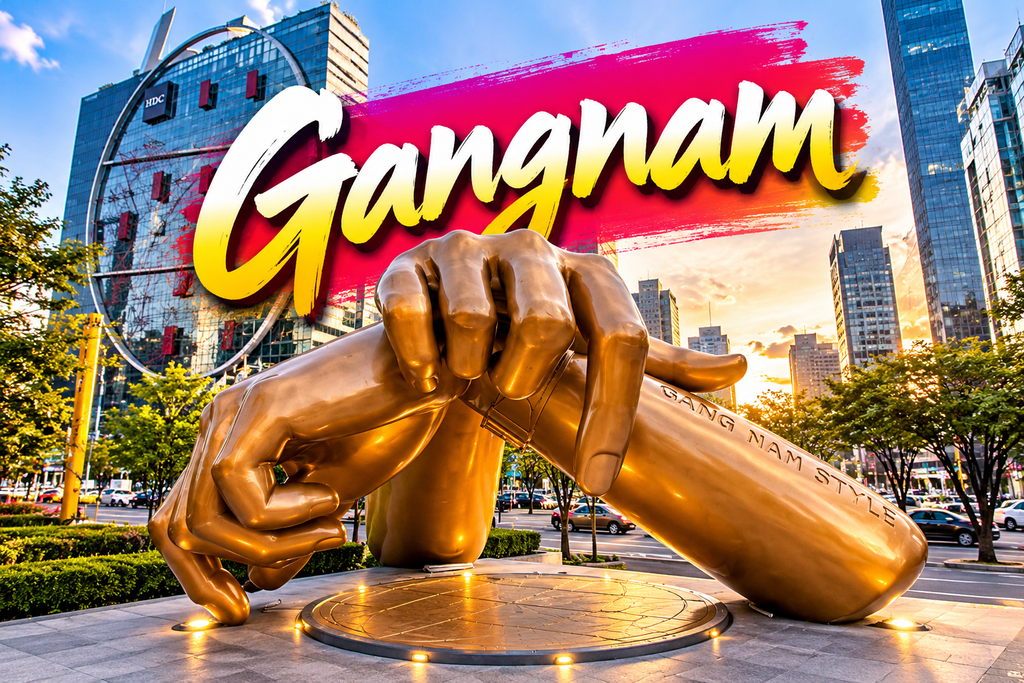
Begin your day in Gangnam, one of Seoul’s most recognizable neighborhoods.
The district is famous for its stylish shopping centers, modern architecture, restaurants, and entertainment venues.
Visit COEX Mall, where you can explore numerous stores and admire the famous Starfield Library.
Nearby Bongeunsa Temple offers an interesting contrast to the surrounding skyscrapers.
If you’re interested in Korean fashion, technology, or contemporary city life, Gangnam is worth exploring.
Experience Hongdae’s Youthful Atmosphere
Later, travel to Hongdae, a lively neighborhood popular among students, artists, and young travelers.
Hongdae is famous for its independent boutiques, creative cafés, street performances, music venues, and nightlife.
Spend the afternoon exploring its smaller streets, where you’ll discover unusual shops and interesting food destinations.
The neighborhood becomes particularly energetic during the evening.
Relax Along the Han River
End your day at one of Seoul’s beautiful riverside parks.
Yeouido Hangang Park and Banpo Hangang Park are popular choices for relaxing walks, picnics, and skyline views.
On pleasant evenings, the atmosphere along the river is especially enjoyable.
You can pick up food from a nearby convenience store or restaurant and enjoy a simple picnic while watching the city lights.
Travel tip: Seoul is enormous, so avoid trying to visit every famous neighborhood in one day. Choose attractions based on your interests and allow time for subway journeys.
Day 4: Travel to Gyeongju and Discover Ancient Korea
On the fourth day, leave Seoul behind and travel to Gyeongju, one of South Korea’s most historically significant destinations.
Often described as an open-air museum, Gyeongju served as the capital of the ancient Silla Kingdom.
The city is filled with royal tombs, Buddhist temples, traditional architecture, and archaeological treasures.
Take the KTX Train from Seoul to Gyeongju
The easiest way to travel from Seoul to Gyeongju is by high-speed train.
KTX services generally take approximately two hours, depending on the departure.
Gyeongju’s KTX station is outside the historic city center, so allow additional time to reach your accommodation and attractions.
Traveling early in the morning gives you more time to explore.
Explore Daereungwon Tomb Complex
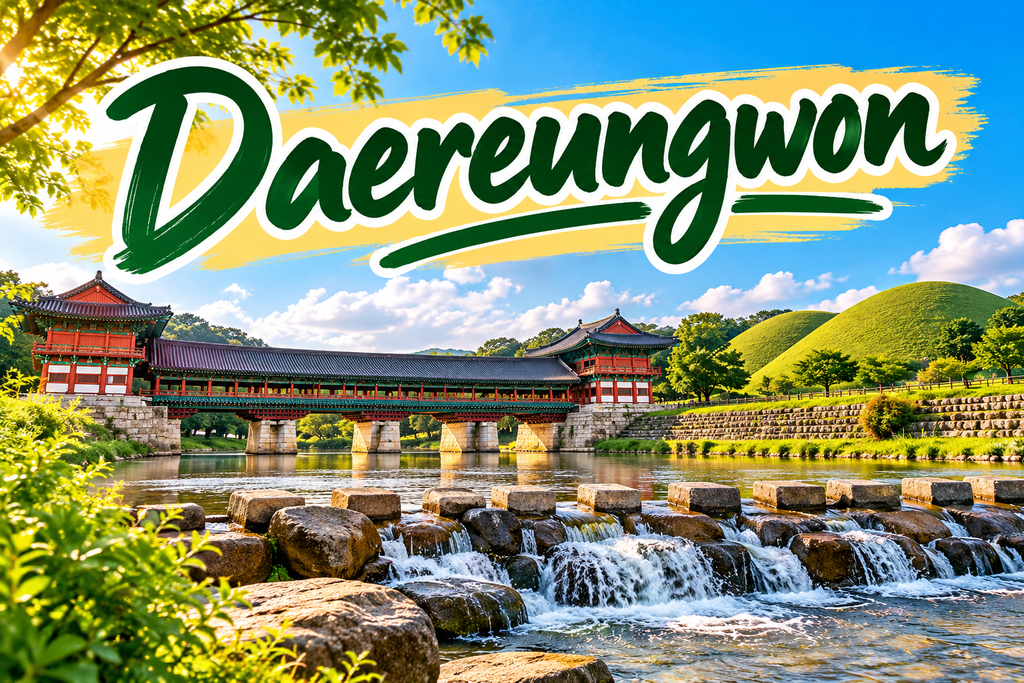
Begin your sightseeing at Daereungwon Tomb Complex, one of Gyeongju’s most recognizable attractions.
The park features enormous grassy burial mounds containing ancient royal tombs from the Silla period.
Unlike conventional cemeteries, these beautifully maintained mounds create a peaceful landscape that feels almost like a garden.
It’s a fascinating place to learn about Korea’s ancient royal history while enjoying a relaxing walk.
Wander Through Hwangnidan-gil
After exploring the tomb complex, visit Hwangnidan-gil, a charming street filled with traditional-style buildings, cafés, boutiques, and restaurants.
This neighborhood combines Gyeongju’s historic atmosphere with modern Korean café culture.
Enjoy local specialties, browse independent shops, or simply walk along the picturesque streets.
It’s also an excellent place to find accommodation in a traditional Korean guesthouse.
Visit Donggung Palace and Wolji Pond
In the evening, visit Donggung Palace and Wolji Pond.
This historic palace site is famous for its beautifully illuminated buildings and reflections across the water.
The scenery becomes particularly impressive after sunset, making it one of Gyeongju’s most memorable attractions.
For travelers following a one-week South Korea itinerary, spending one night in Gyeongju is worthwhile because it allows you to experience the city after the daytime crowds have gone.
Alternative: If you’re particularly interested in Buddhist heritage, consider visiting Bulguksa Temple instead of one of the central attractions. However, reaching Bulguksa requires additional transportation time, so it’s best not to overcrowd your schedule.
Day 5: Travel to Busan and Explore Its Cultural Attractions
Continue your 7-day South Korea itinerary by traveling from Gyeongju to Busan, South Korea’s second-largest city.
Busan offers an entirely different atmosphere from Seoul, with beautiful coastlines, colorful hillside neighborhoods, traditional markets, and fresh seafood.
The high-speed train journey between Gyeongju and Busan takes approximately 30 minutes, although you’ll need additional time to travel between the stations and city centers.
Explore Gamcheon Culture Village
Start your Busan adventure at Gamcheon Culture Village.
This colorful hillside neighborhood is famous for its brightly painted houses, artistic murals, winding alleyways, and panoramic views.
Originally a residential community, Gamcheon has become one of Busan’s most recognizable attractions.
Follow the small streets to discover art installations, cafés, independent galleries, and scenic viewpoints.
Remember that people still live here, so avoid entering private properties or disturbing residents.
Visit Jagalchi Fish Market
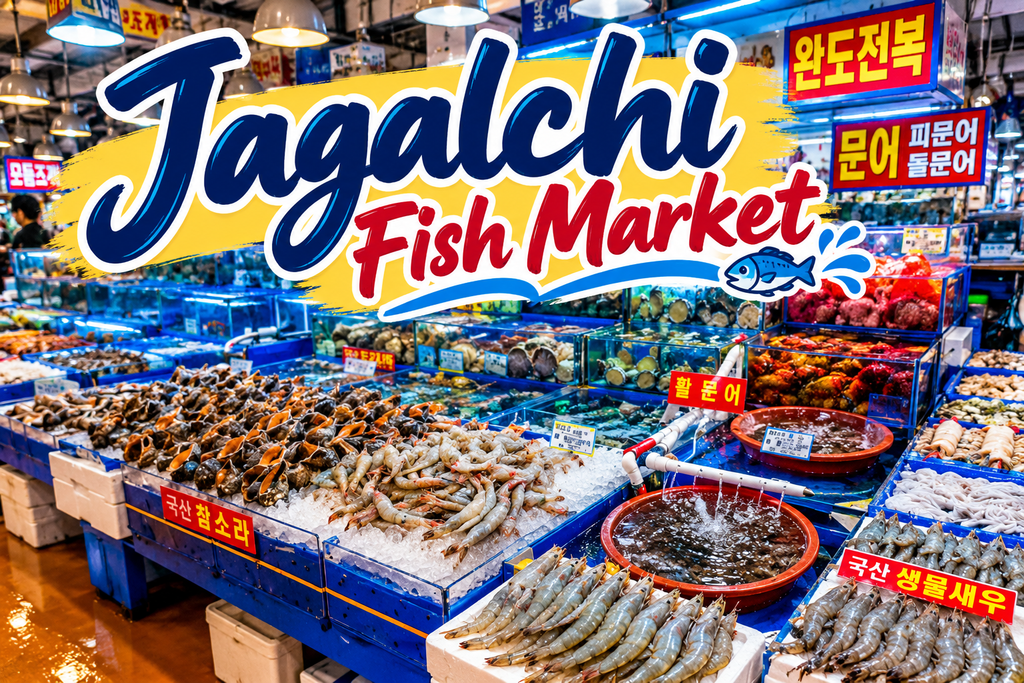
Next, explore Jagalchi Market, one of South Korea’s best-known seafood markets.
Here, you’ll encounter an incredible variety of fresh fish, shellfish, and other seafood products.
The market provides an interesting look at Busan’s maritime culture and local food traditions.
Seafood lovers can also explore nearby restaurants serving freshly prepared dishes.
Discover BIFF Square and Gukje Market
Spend your afternoon exploring BIFF Square and Gukje Market.
BIFF Square is associated with the Busan International Film Festival and is surrounded by shops, restaurants, and street-food vendors.
Try ssiat hotteok, Busan’s famous sweet pancake filled with seeds and nuts.
Nearby Gukje Market offers everything from clothing and household goods to local snacks and souvenirs.
These attractions are relatively close together, making them convenient to explore in one afternoon.
Day 6: Discover Busan’s Beaches and Coastal Attractions
The sixth day of your 7-day Korea itinerary focuses on Busan’s spectacular coastline.
After several days exploring busy cities and historic attractions, this is an excellent opportunity to enjoy ocean views, coastal walks, and a more relaxed atmosphere.
Relax at Haeundae Beach
Begin your morning at Haeundae Beach, one of South Korea’s most famous beaches.
Its long stretch of sand is surrounded by modern skyscrapers, luxury hotels, restaurants, and cafés.
During the warmer months, the beach attracts visitors who want to swim, sunbathe, and enjoy seaside activities.
Even outside summer, Haeundae is a pleasant destination for walking along the waterfront.
Take some time to explore the surrounding streets, where you’ll find seafood restaurants, coffee shops, and local attractions.
Experience Haeundae Blueline Park
One of Busan’s most enjoyable coastal experiences is Haeundae Blueline Park.
The attraction offers scenic rides along the coastline, including the popular Sky Capsule and Beach Train.
The Sky Capsule travels above the coastal railway route, offering beautiful views of the ocean and surrounding scenery.
It’s particularly popular among couples, families, and photographers.
Travel tip: Reserve Sky Capsule tickets ahead of time, especially during weekends and popular travel seasons. Tickets may sell out.

Visit Gwangalli Beach
In the late afternoon, head to Gwangalli Beach.
This beautiful waterfront is known for its impressive views of Gwangan Bridge, which stretches across the bay.
The surrounding neighborhood is filled with cafés, restaurants, and beachfront establishments.
As evening approaches, the bridge and nearby buildings illuminate the skyline.
Enjoy dinner overlooking the ocean or spend some time walking along the waterfront.
Gwangalli is an excellent place to end a busy sightseeing day.
Day 7: Visit Haedong Yonggungsa Temple and Prepare for Departure
The final day of your South Korea adventure offers one more opportunity to experience Busan’s beautiful coastal scenery.
Depending on your flight schedule, you can enjoy a relaxed morning before heading to the airport or train station.
Visit Haedong Yonggungsa Temple
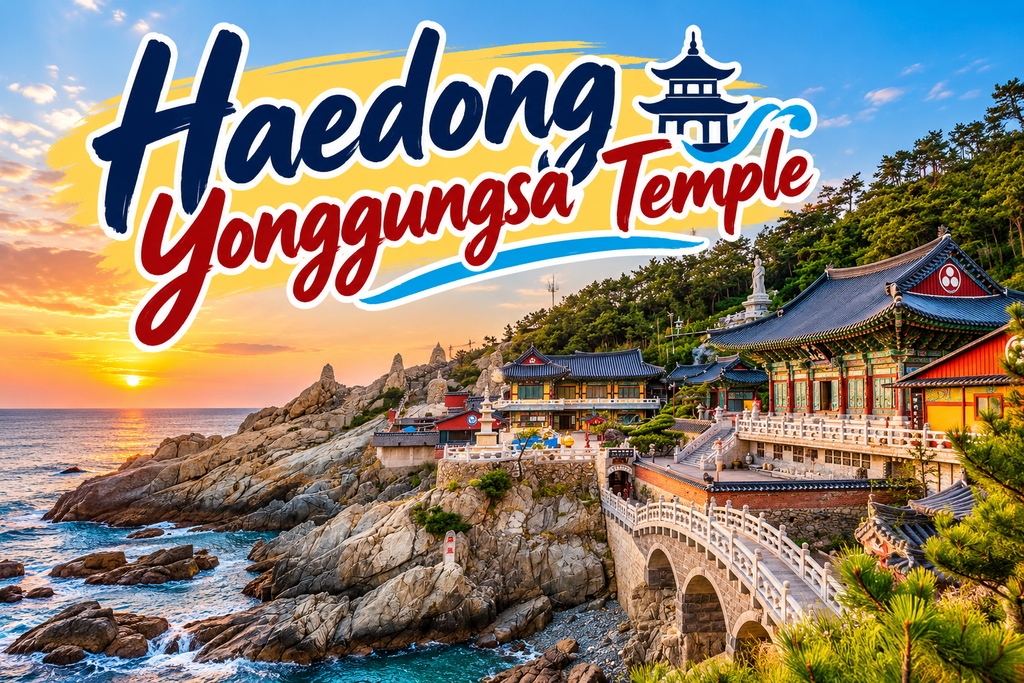
Begin your morning at Haedong Yonggungsa Temple, one of Busan’s most picturesque Buddhist temples.
Unlike many Korean temples located in mountainous areas, Haedong Yonggungsa sits along the rocky coastline.
The combination of traditional architecture, ocean views, stone stairways, and crashing waves makes it an unforgettable destination.
Arriving early can help you avoid the busiest visiting periods.
Take your time exploring the temple grounds and appreciating the peaceful coastal setting.
Enjoy Last-Minute Shopping
If you have additional time before departure, return to Haeundae or explore one of Busan’s shopping districts.
Pick up Korean snacks, cosmetics, souvenirs, or gifts to bring home.
You might also enjoy one final Korean meal before ending your vacation.
For a convenient departure, travelers can fly from Gimhae International Airport or take the KTX high-speed train back to Seoul.
Important: If your international flight departs from Incheon Airport, allow substantial time for the train journey from Busan, transportation to the airport, baggage handling, and airport procedures. For an early flight, returning to Seoul the previous evening is generally safer.
How to Travel Between Destinations During Your South Korea Itinerary 7 Days
South Korea has an efficient public transportation system, making independent travel relatively straightforward.
For this itinerary, the best combination is high-speed trains, subways, local buses, and occasional taxis.
For detailed information about trains, subways, buses, and transportation cards, visit the Korea Tourism Organization’s official transportation guide.
Seoul to Gyeongju
Take the KTX high-speed train from Seoul Station to Gyeongju Station.
The journey generally takes around two hours, making it convenient for travelers who want to experience more than Seoul.
Book tickets in advance when possible, particularly during weekends, public holidays, and peak travel periods.
Gyeongju to Busan
Travel from Gyeongju Station to Busan Station using the KTX.
The rail journey is approximately 30 minutes.
However, remember that Gyeongju Station is outside the historic center, so factor in your journey to the station.
Traveling Within Cities
Seoul and Busan have extensive subway and bus networks.
A rechargeable Tmoney transportation card is useful for paying public transportation fares across much of South Korea.
For navigation, consider downloading Naver Map or KakaoMap, which are especially helpful for local transportation routes.
Recommended transportation: KTX for intercity journeys and public transportation for everyday sightseeing.
This combination helps keep your 1-week Korea itinerary efficient and manageable without renting a car.
Where to Stay During Your 7-Day South Korea Itinerary
Choosing the right accommodation can significantly improve your travel experience.
Since this itinerary covers three destinations, I recommend staying close to convenient public transportation connections and major attractions.
For a detailed comparison of neighborhoods, accommodation options, and transportation connections, check out our guide on where to stay in Seoul for first-time visitors.
Where to Stay in Seoul
For first-time visitors, Myeongdong is one of the most convenient accommodation areas.
Its central location provides easy access to shopping, restaurants, and public transportation.
Other excellent options include:
- Hongdae: Best for younger travelers, nightlife, cafés, and creative neighborhoods.
- Jongno: Ideal for historical attractions, traditional neighborhoods, and cultural experiences.
- Gangnam: Suitable for travelers interested in shopping, modern hotels, and upscale surroundings.
For a detailed comparison of Seoul’s neighborhoods, check out our guide to Where to Stay in Seoul.
Where to Stay in Gyeongju
Hwangnidan-gil and the surrounding historic center are convenient areas for a short stay.
You’ll be within easy reach of cafés, restaurants, and several major attractions.
Consider booking a traditional hanok guesthouse for a memorable cultural experience.
Where to Stay in Busan
Haeundae is ideal for travelers who want easy access to beaches, ocean views, and waterfront restaurants.
Seomyeon is another convenient choice, especially for visitors who prioritize transportation connections, shopping, and nightlife.
For a short trip, staying near a subway station can save considerable travel time.
South Korea Itinerary: 7 Days Budget Guide
One of the most common questions when planning a South Korea travel itinerary for 7 days is how much money to prepare.
Fortunately, South Korea offers options for different budgets, from affordable guesthouses and street food to luxury hotels and fine dining.
The following figures are approximate planning estimates per person, excluding international flights.
| Expense | Estimated Budget |
|---|---|
| Accommodation | ₩180,000–₩600,000 |
| Food | ₩175,000–₩350,000 |
| Intercity Transportation | ₩60,000–₩160,000 |
| Local Transportation | ₩35,000–₩70,000 |
| Attractions and Activities | ₩30,000–₩120,000 |
| Miscellaneous Expenses | ₩30,000–₩100,000 |
Estimated total: ₩510,000–₩1,400,000 per person.
Accommodation estimates assume budget rooms, hostels, or shared double rooms. Actual prices depend on your accommodation style, travel dates, and whether you need an additional KTX journey back to Seoul.
Travelers choosing luxury accommodation, private transportation, or premium activities should prepare a larger budget.
For a more affordable Korea itinerary 7 days budget, consider staying in guesthouses, using public transportation, eating at local restaurants, and prioritizing free attractions.
Street-food markets and neighborhood restaurants are excellent places to experience authentic Korean cuisine without spending excessively.
Remember that exchange rates, transportation fares, and accommodation prices may change, so check current costs before booking.
Best Time to Visit South Korea for 7 Days
South Korea is a year-round destination, but spring and autumn are particularly attractive for sightseeing.
If you’re deciding when to plan your adventure, our guide to the best time to visit South Korea explains the weather, seasonal attractions, and ideal months for sightseeing.
Spring: March to May
Spring brings pleasant temperatures, flowering trees, and beautiful cherry blossoms.
It’s an excellent season for exploring palaces, parks, and traditional neighborhoods.
Summer: June to August
Summer is warm and humid, with opportunities to enjoy Busan’s beaches and seasonal festivals.
However, travelers should prepare for rain, heat, and potentially crowded attractions.
Autumn: September to November
Autumn is one of the most beautiful seasons in South Korea.
Comfortable temperatures and colorful foliage create wonderful conditions for walking tours, photography, and outdoor activities.
Winter: December to February
Winter offers festive city decorations, traditional winter food, and opportunities to experience snowy landscapes.
Temperatures can become very cold, particularly in Seoul, so warm clothing is essential.
My recommendation: April, May, October, and early November are especially appealing months for combining Seoul, Gyeongju, and Busan in one trip.
Essential Tips for Planning Your One-Week South Korea Itinerary
A little preparation can make your vacation considerably smoother.
Book accommodation near public transportation. Staying within walking distance of a subway station can save time and reduce transportation expenses.
Reserve important train journeys early. KTX trains can become busy during weekends, holidays, and popular travel periods.
Download useful travel applications. Naver Map, KakaoMap, and translation applications can help with navigation and communication.
Carry some Korean won. Although many establishments accept cards, cash is still useful for smaller purchases and certain transportation-related expenses.
Wear comfortable walking shoes. Expect plenty of walking, particularly around Seoul’s palace districts and Busan’s hillside attractions.
Check entry requirements before traveling. Visa and electronic travel authorization rules depend on nationality and may change.
Avoid an overly packed schedule. One of the best ways to enjoy South Korea is to leave room for spontaneous café visits, interesting local restaurants, and unexpected discoveries.
These simple preparations can help make your 7-day South Korea itinerary more enjoyable.
Frequently Asked Questions About a 7-Day South Korea Itinerary
Is 7 days enough to visit South Korea?
Yes. Seven days is enough for first-time visitors to explore Seoul, Gyeongju, and Busan while experiencing a mixture of modern attractions, traditional culture, and coastal scenery. However, travelers who prefer a slower pace may choose to spend the entire week in just Seoul and Busan.
Is Seoul or Busan better for first-time visitors?
Both cities offer different experiences. Seoul is ideal for historic palaces, shopping, entertainment, and urban attractions. Busan is better suited to travelers interested in beaches, coastal scenery, seafood, and a more relaxed seaside atmosphere. Visiting both provides a well-rounded introduction to South Korea.
Can I visit Seoul and Busan in 7 days?
Absolutely. A Seoul–Busan itinerary over 7 days is one of the most practical options for first-time visitors. You can spend three or four days in Seoul and the remaining days in Busan, with an optional stop in Gyeongju.
Is South Korea expensive for tourists?
South Korea can accommodate different travel budgets. Public transportation is generally convenient, local restaurants offer meals at different price points, and many attractions are free or relatively affordable. Accommodation and shopping choices often have the biggest impact on overall expenses.
Do I need to rent a car in South Korea?
No. Renting a car is generally unnecessary for this itinerary. Trains, subways, buses, and taxis provide transportation between and within the recommended destinations. A car may be useful for exploring remote areas, but it’s not essential for Seoul, Gyeongju, and Busan.
What is the best 7-day Korea itinerary for first-time visitors?
For most first-time travelers, I recommend spending three days in Seoul, one day in Gyeongju, and three days in Busan, including the final departure day. This route balances major attractions, cultural experiences, and relaxation while avoiding unnecessary backtracking.
Final Thoughts: Is Seven Days in South Korea Worth It?
Absolutely! South Korea is a destination that combines fascinating history, modern attractions, unforgettable food, and beautiful landscapes into one exciting travel experience.
From exploring Seoul’s magnificent palaces and energetic shopping districts to discovering Gyeongju’s ancient heritage and relaxing along Busan’s spectacular coastline, every destination offers something unique.
The beauty of this 7-day Korea itinerary is that it introduces you to several different sides of South Korea without requiring an extended vacation.
Whether you’re interested in cultural landmarks, traditional Korean cuisine, beautiful scenery, or modern city experiences, this journey offers an excellent introduction to the country.
With comfortable transportation connections, carefully selected destinations, and enough flexibility to explore at your own pace, a week in South Korea can easily become one of your most memorable Asian vacations.
And once you’ve experienced Seoul’s vibrant streets, Gyeongju’s peaceful historic neighborhoods, and Busan’s beautiful beaches, there’s a good chance you’ll already be thinking about your next visit.