
Europe is one of those rare parts of the world where you can wake up beside an Alpine lake, spend the afternoon walking through a medieval village, and end the day eating dinner in a centuries-old stone square. From Mediterranean beaches and vineyard-covered valleys to dramatic mountain ranges, historic cities, remote islands, and peaceful countryside, the continent offers an extraordinary amount of variety within relatively short distances. While cities such as Paris, Rome, Barcelona, Amsterdam, and London deserve their popularity, some of the most memorable European experiences happen far away from the famous landmarks.
That is exactly why exploring hidden gems in Europe can be so rewarding. Travelling beyond the usual tourist route often means quieter streets, locally owned restaurants, more affordable accommodation, and opportunities to experience everyday European culture at a slower pace. Interest in lesser-known European destinations has also been growing as travellers increasingly look for quieter alternatives to heavily visited destinations. Whether you prefer sunny coastal villages, cool mountain escapes, autumn vineyards, snowy winter towns, or historic destinations filled with character, these places prove that Europe still has plenty of surprises waiting beyond its most famous cities.
Quick List of the Best Hidden Gems in Europe
Here are 15 destinations worth adding to your European travel plans:
- Gjirokastër, Albania
- Vipava Valley, Slovenia
- Monsaraz, Portugal
- Kotor, Montenegro
- Albarracín, Spain
- Tübingen, Germany
- Ioannina, Greece
- Motovun, Croatia
- Orta San Giulio, Italy
- Pérouges, France
- Turku, Finland
- Syros, Greece
- Kravica Waterfalls, Bosnia and Herzegovina
- Pelion Peninsula, Greece
- Porto Santo, Portugal
These underrated places in Europe cover almost every kind of trip imaginable, from warm-weather island escapes to medieval towns that are especially beautiful during autumn and winter.
1. Gjirokastër, Albania
Built across the slopes of the Drino Valley in southern Albania, Gjirokastër immediately feels different from the country’s better-known beach destinations. Its steep cobblestone streets wind between traditional stone houses with distinctive roofs, while the enormous Gjirokastër Castle dominates the hillside above the old town. Wandering through the bazaar is one of the highlights. Small shops selling crafts, textiles, food, and souvenirs occupy buildings that seem to climb directly out of the mountain. The architecture reflects centuries of Ottoman influence and gives the city an atmosphere that feels more like an open-air historical museum than a typical tourist destination.
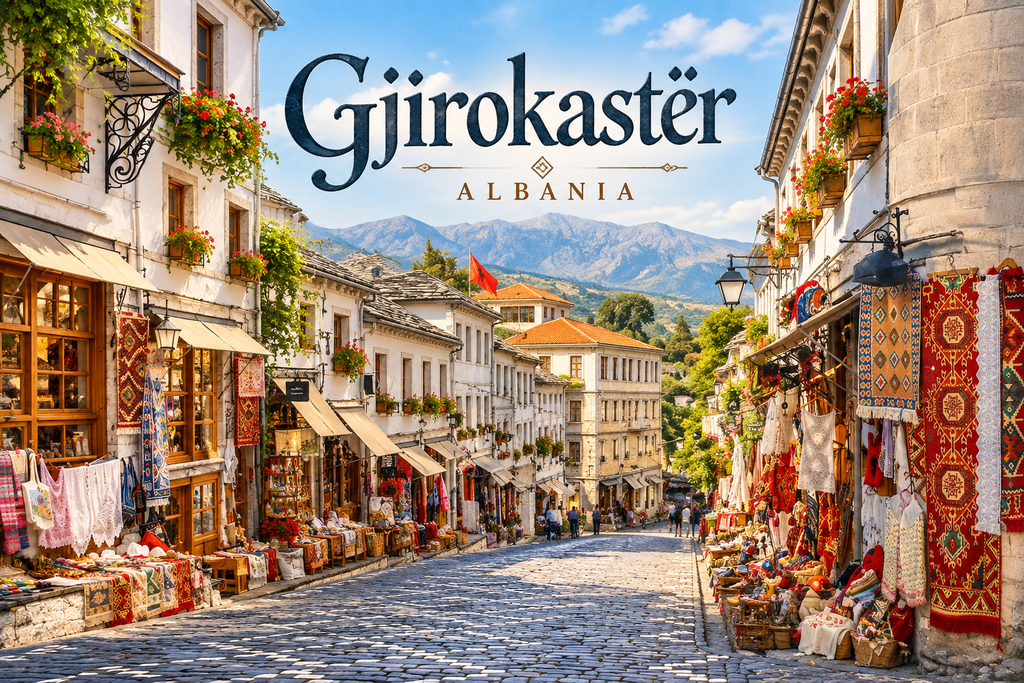
Spring and early autumn are particularly pleasant times to visit because temperatures are generally comfortable for exploring the steep streets. Summer can become quite hot, although evenings are often ideal for outdoor dining. I would personally give Gjirokastër at least two nights instead of treating it as a quick stop between Tirana and the Albanian Riviera. Staying after the day-trippers leave allows you to experience the old town when its streets become quieter and the stone buildings glow beneath the evening lights. For travellers searching for secret places in Europe where architecture and local character remain the main attraction, Gjirokastër deserves serious consideration.
2. Vipava Valley, Slovenia
Slovenia may be famous for Ljubljana and Lake Bled, but the Vipava Valley offers an entirely different side of the country. Located near the Italian border, this fertile valley is filled with vineyards, orchards, small villages, cycling roads, and dramatic limestone mountains. Wine production has shaped the region for generations, and visitors can spend their days moving between family-run wineries rather than crowded sightseeing attractions. National Geographic has highlighted the valley for its combination of wine culture, hiking, villages, and outdoor activities.
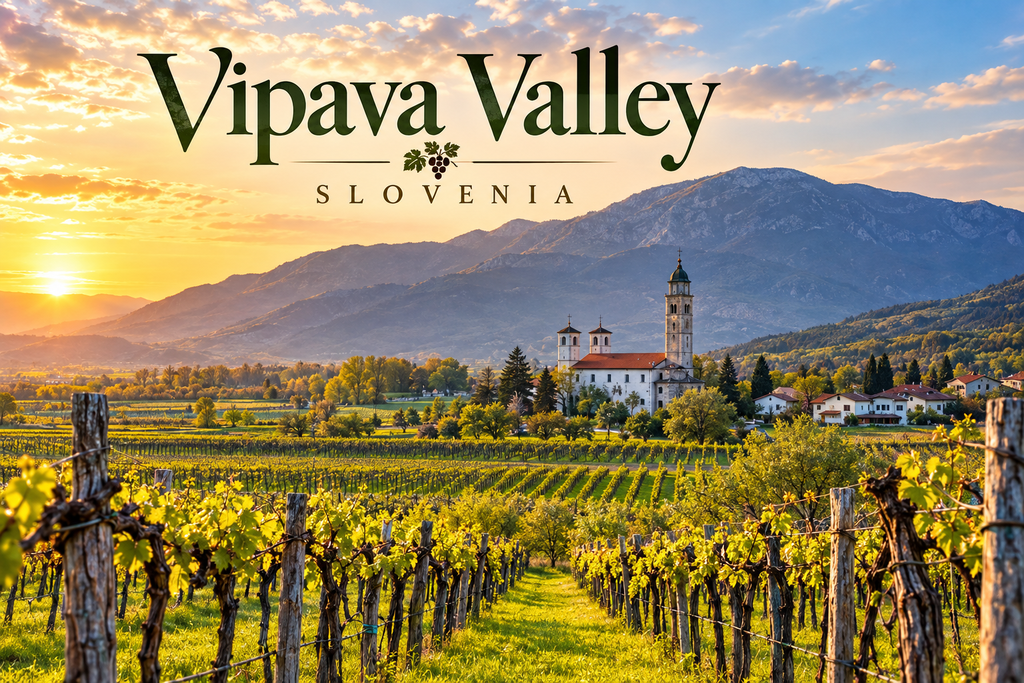
Spring brings green hills and comfortable hiking weather, while September and October offer beautiful vineyard colours and the atmosphere of harvest season. Summer is ideal if you want long daylight hours for cycling and outdoor dining. What appeals to me most about Vipava is how naturally food, scenery, and slow travel fit together. You do not necessarily need a packed itinerary. Drive through the countryside, stop at a village, taste local wine, have a long lunch, and enjoy the landscape. Among the off the beaten path Europe destinations, Vipava Valley works especially well for couples, food lovers, photographers, and anyone wanting a quieter alternative to Europe’s busier wine regions.
3. Monsaraz, Portugal
Perched high above the Alentejo countryside, Monsaraz is a tiny fortified Portuguese village surrounded by enormous views. Its whitewashed houses, narrow stone lanes, medieval walls, and hilltop castle create the kind of scenery many travellers imagine when dreaming about rural Europe. From the walls, you can look across rolling countryside toward Lake Alqueva, one of the defining landscapes of the region.
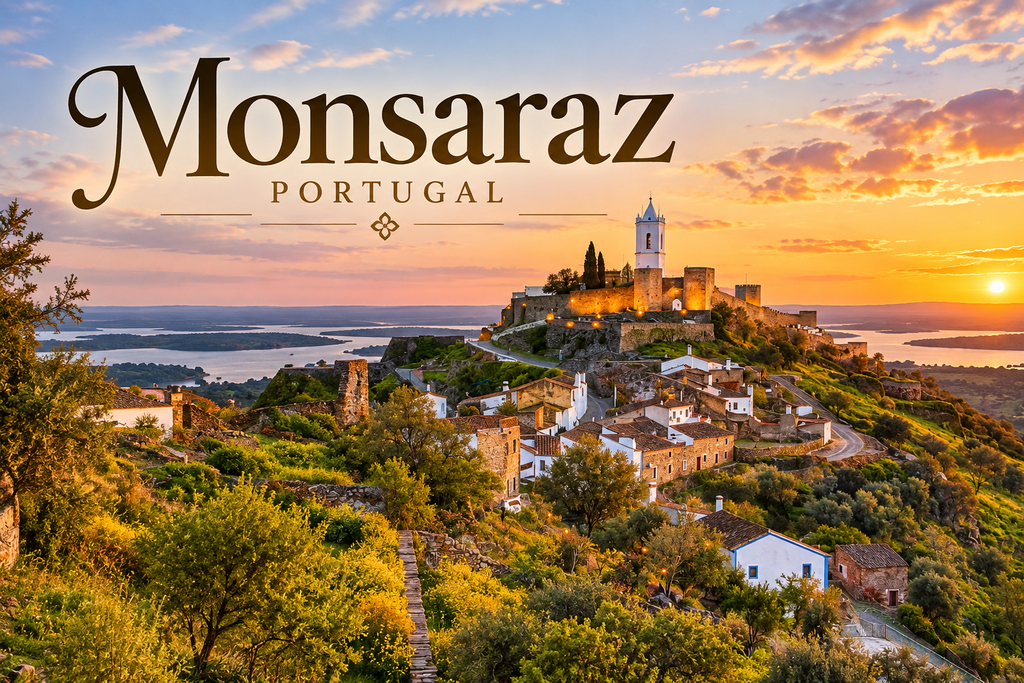
Monsaraz is beautiful in spring, when temperatures are comfortable and the surrounding countryside is greener. Autumn is another excellent season, particularly for travellers interested in wine and regional food. Summers can become very hot, so exploring early in the morning and again near sunset is a better strategy. Because the village is small, many people visit only for several hours, but staying overnight offers a completely different experience. Once most daytime visitors disappear, the streets become remarkably peaceful. With little light pollution in the surrounding countryside, the Alentejo region is also excellent for stargazing. Monsaraz is one of those lesser known places in Europe where slowing down improves the entire trip.
4. Kotor, Montenegro
Kotor may no longer be completely unknown, but compared with major Mediterranean destinations such as Venice, Dubrovnik, or Santorini, it still offers a remarkably intimate travel experience. The old town sits between the waters of the Bay of Kotor and steep mountains that rise almost directly behind its medieval walls. Inside those walls is a maze of stone alleyways, tiny squares, churches, cafés, and centuries-old buildings. Above the town, a demanding climb leads toward the fortress of San Giovanni and increasingly dramatic views across the bay.
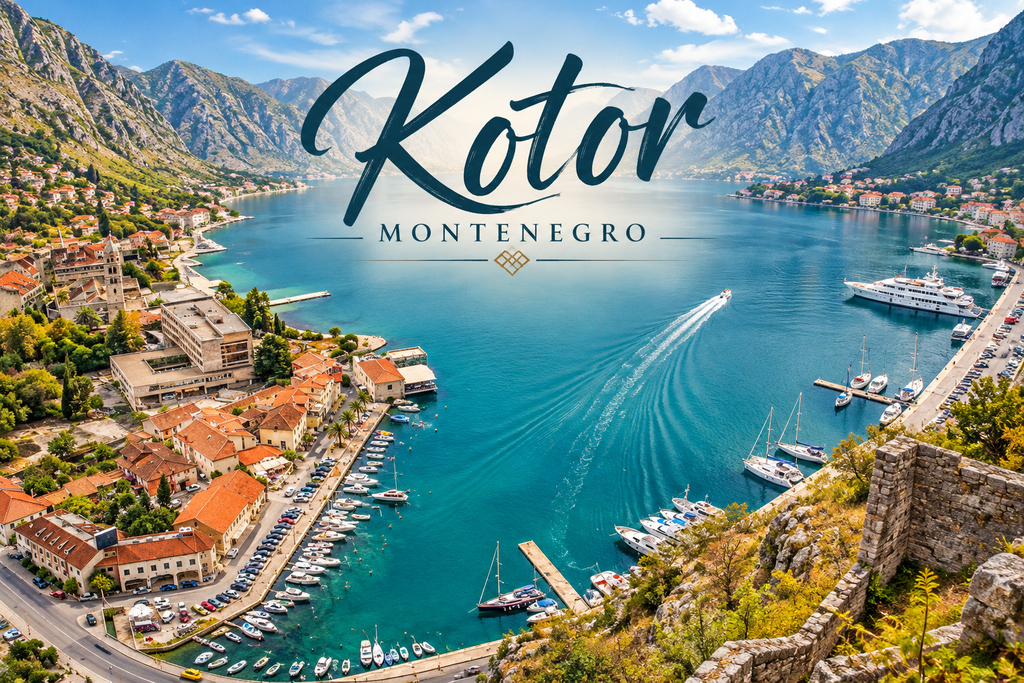
Kotor is particularly enjoyable during May, June, September, and October, when the weather remains suitable for outdoor activities but peak summer crowds are usually lower. Recent travel coverage has also highlighted the city as an appealing alternative to more expensive Mediterranean destinations. If I were planning a trip here, I would avoid spending the entire visit inside the old town. Rent a car or take a local excursion around the bay to places such as Perast, mountain viewpoints, and quieter waterside villages. Kotor works best as both a historical destination and a base for discovering Montenegro’s extraordinary landscape.
5. Albarracín, Spain
Spain has countless famous historic cities, but Albarracín feels like a completely different world. Located in the hills of Aragón, the town is built along a rocky slope and is known for its reddish-pink buildings, wooden balconies, narrow lanes, and medieval defensive walls. From a distance, the entire settlement seems to blend naturally into the surrounding cliffs.
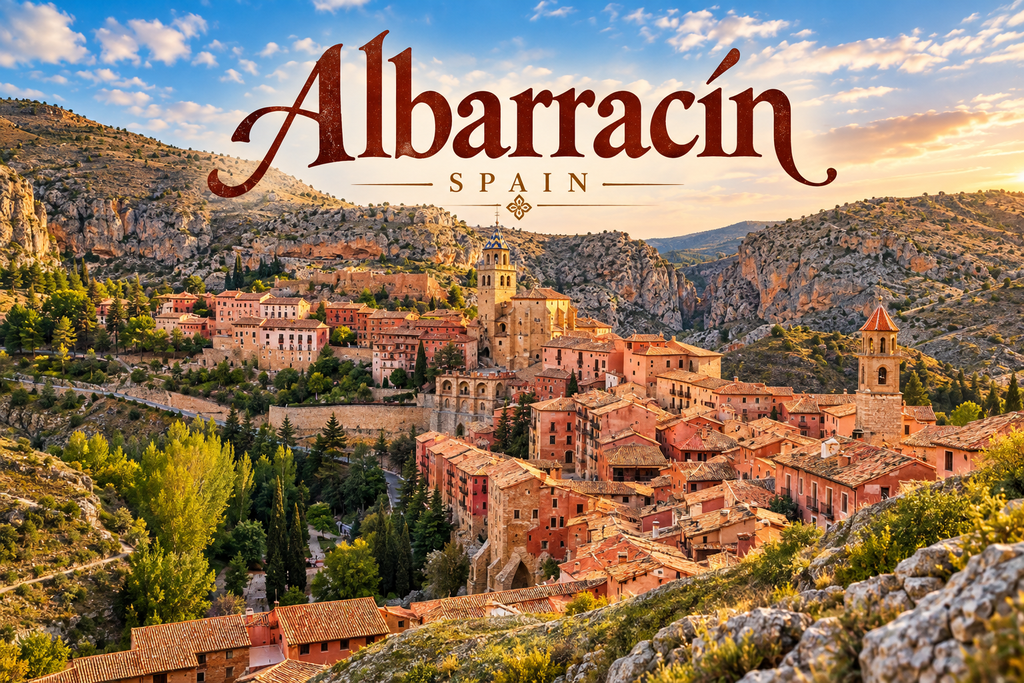
Autumn is a wonderful season here because cooler temperatures make walking more comfortable and the surrounding countryside begins changing colour. Spring is equally appealing for hiking and photography. Winter can be cold, but the historic town becomes especially atmospheric when tourist numbers fall. Albarracín is small enough to explore on foot, and that is exactly how I would experience it. Rather than rushing from landmark to landmark, spend time following whichever narrow street looks interesting. The town is one of the unique places to visit in Europe precisely because there isn’t one enormous attraction dominating the experience; the attraction is the town itself.
6. Tübingen, Germany
Tübingen combines the appearance of a traditional German town with the youthful energy of a university city. Colourful half-timbered buildings line parts of the old town, while cafés and shops fill pedestrian streets surrounding historic squares. One of the most enjoyable experiences is walking beside the Neckar River, where traditional punts glide past rows of colourful waterfront houses.
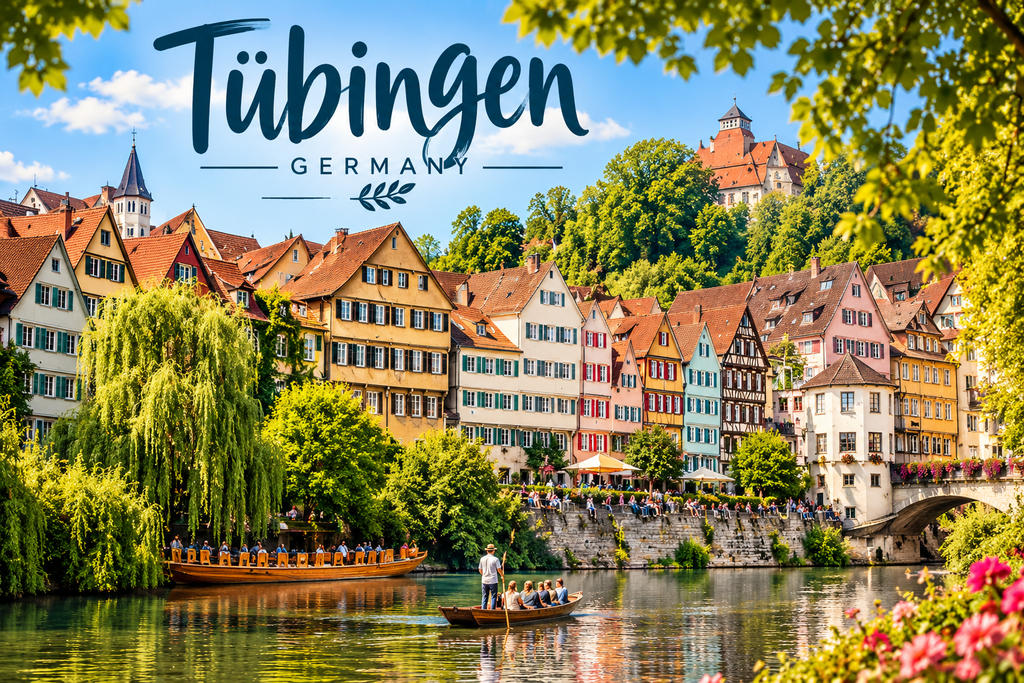
The city’s university history also gives Tübingen a lively atmosphere throughout much of the year. Summer is excellent for sitting beside the river, while spring brings comfortable walking weather. Autumn makes the surrounding hills particularly attractive, and December adds the warm glow of Christmas-season decorations. Tübingen has recently appeared on lists highlighting Europe’s lesser-known destinations, partly because it offers history and culture without the scale of Germany’s biggest tourist cities. I particularly like destinations where historic architecture does not feel separated from everyday life, and Tübingen fits that description beautifully. Students, residents, cyclists, café-goers, and visitors all share the same compact centre.
7. Ioannina, Greece
When most travellers imagine Greece, they picture whitewashed islands and bright blue Mediterranean water. Ioannina offers something completely different. Located beside Lake Pamvotida in northwestern Greece, the city combines Byzantine and Ottoman history with mountain scenery and a relaxed waterfront atmosphere. Its fortified old quarter contains museums, religious sites, traditional buildings, and traces of the city’s multicultural past.
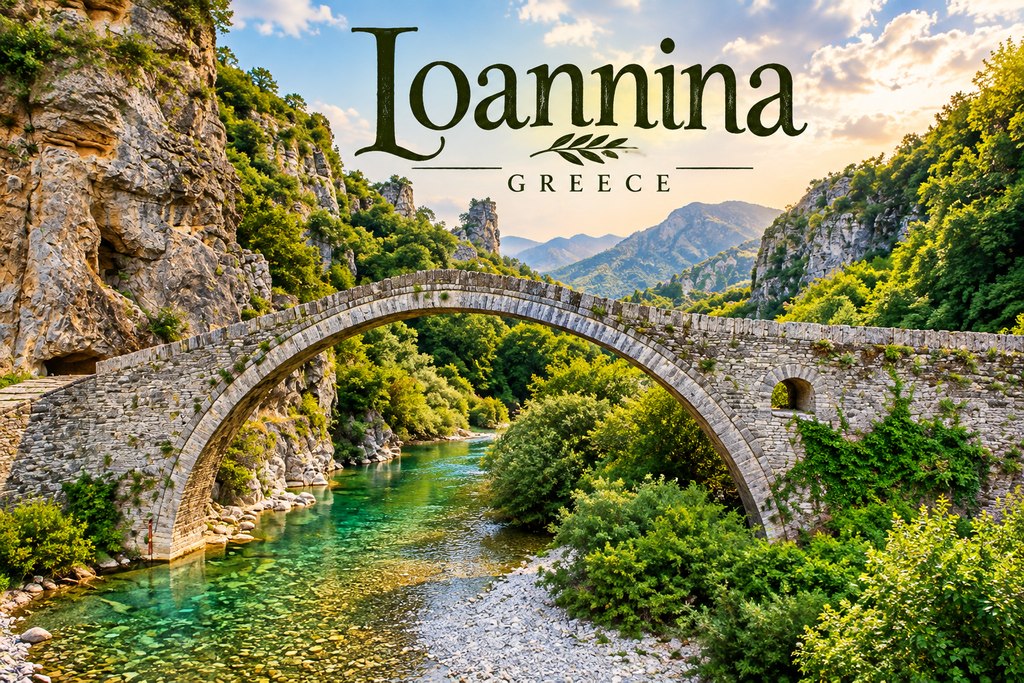
One of the most enjoyable activities is taking a small boat across Lake Pamvotida to the inhabited island in the lake, where monasteries and traditional tavernas provide an easy half-day excursion. The surrounding Epirus region is equally impressive, particularly if you combine Ioannina with the Zagori villages and Vikos Gorge. Ioannina has recently been highlighted as one of Greece’s under-the-radar alternatives to heavily visited island destinations. Spring and autumn are ideal for combining sightseeing with hiking. Winter is colder, but it also gives the city a cosy atmosphere that is rarely associated with Greek travel.
8. Motovun, Croatia
Rising above vineyards and forests in Croatia’s Istrian Peninsula, Motovun looks exactly like the medieval hill towns travellers usually associate with Tuscany. Stone buildings and fortified walls crown the hill, while narrow streets lead toward panoramic viewpoints across the Mirna Valley. The surrounding countryside is known for wine, olive oil, and truffles, making this as much a food destination as a historical one.
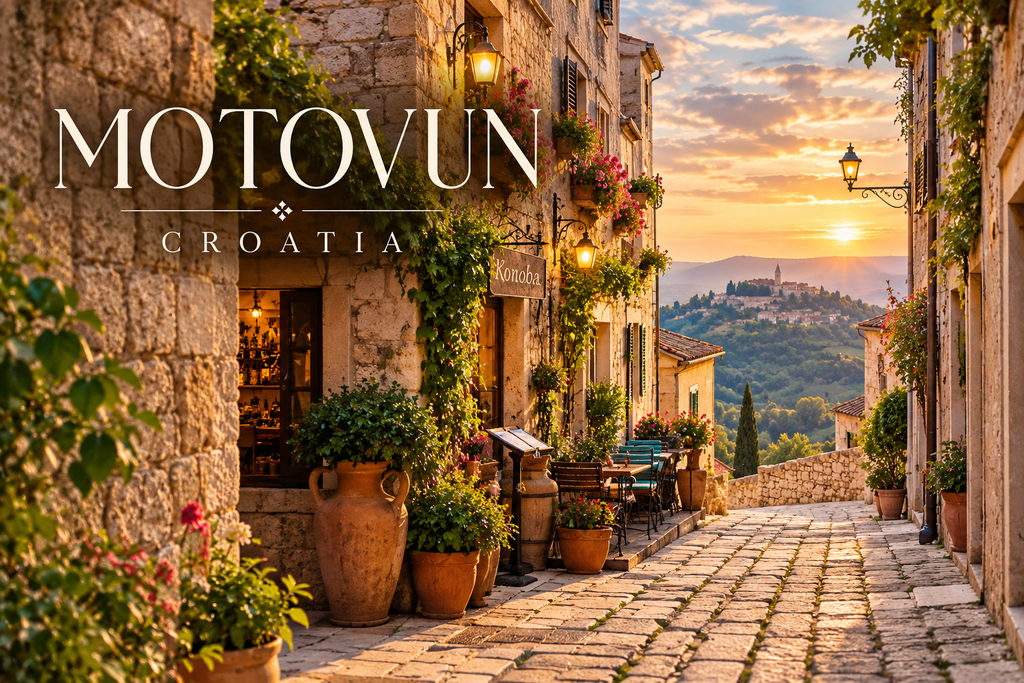
Late spring and early autumn are particularly appealing because the temperatures are pleasant and the landscape remains beautiful. Summer brings more visitors, but evenings and mornings can still feel peaceful. One reason I would choose Motovun over a packed coastal itinerary is that the pace feels slower. You can spend a morning wandering the medieval centre, have a lengthy lunch based around Istrian ingredients, then explore nearby vineyards or countryside roads. Recent European travel recommendations have also pointed toward Motovun as an appealing alternative to more obvious Croatian destinations.
9. Orta San Giulio, Italy
Lake Como receives worldwide attention, but Italy contains several beautiful lakes that remain considerably quieter. Lake Orta in Piedmont is one of the most charming. The town of Orta San Giulio sits directly beside the water, with narrow streets leading down toward Piazza Motta and small boats travelling across to Isola San Giulio.
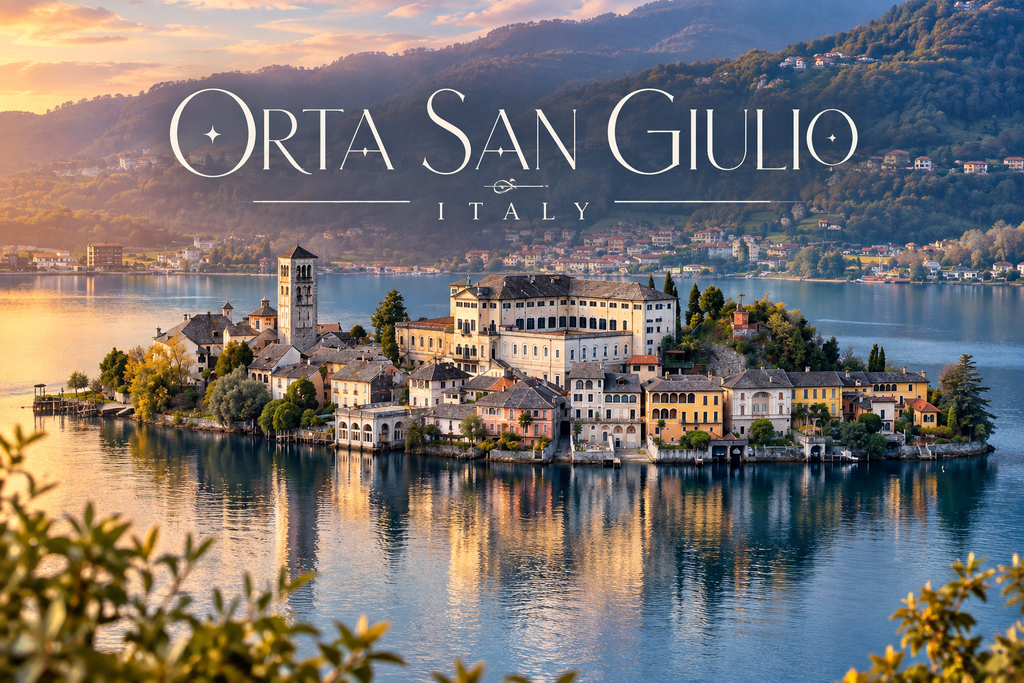
The island itself can be explored on foot and is home to the Romanesque Basilica of San Giulio and a monastery. Its peaceful atmosphere is part of what makes the destination memorable. Recent European travel coverage has described Isola San Giulio as a quieter alternative to Italy’s busier lake destinations. May, June, September, and early October are particularly appealing if you want pleasant weather without the busiest summer period. I would spend at least one full day here rather than treating Lake Orta as a rushed detour. Sit beside the water, take the boat across the lake, eat slowly, and allow the destination to feel as peaceful as it looks.
10. Pérouges, France
About an hour from Lyon, the medieval village of Pérouges offers the kind of narrow cobbled streets and stone buildings that can make you feel as though you have travelled several centuries backward. The historic centre is compact and largely pedestrian-friendly, making it easy to explore without a detailed itinerary.
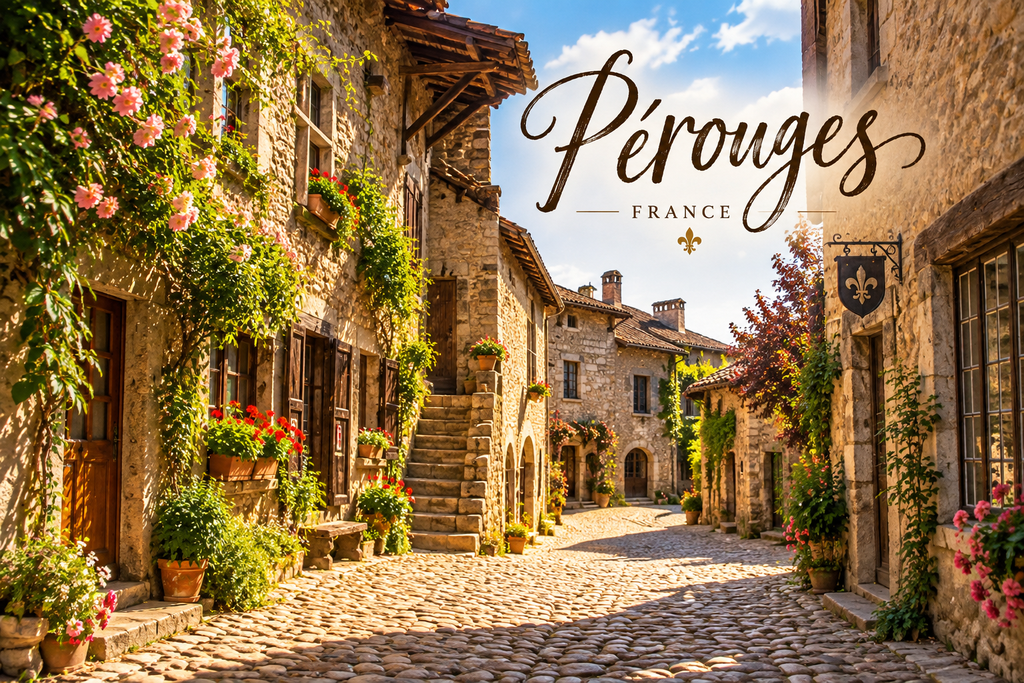
Spring and early autumn offer some of the best conditions for walking around the village, while winter can create a quieter, moodier atmosphere. One local speciality worth trying is galette de Pérouges, a thin sweet tart associated with the village. Pérouges works particularly well for travellers visiting Lyon who want to add a countryside excursion without travelling across half of France. It also demonstrates something I have always appreciated about European travel: sometimes you don’t need another major museum or famous monument. A stone village, a small café, and several hours without a schedule can become one of the most memorable parts of a trip.
11. Turku, Finland
Helsinki attracts most first-time visitors to Finland, but Turku offers history, culture, food, and access to an extraordinary archipelago. Located along the Aura River, Finland’s former capital is home to Turku Cathedral, Turku Castle, museums, riverfront restaurants, and a relaxed city centre.
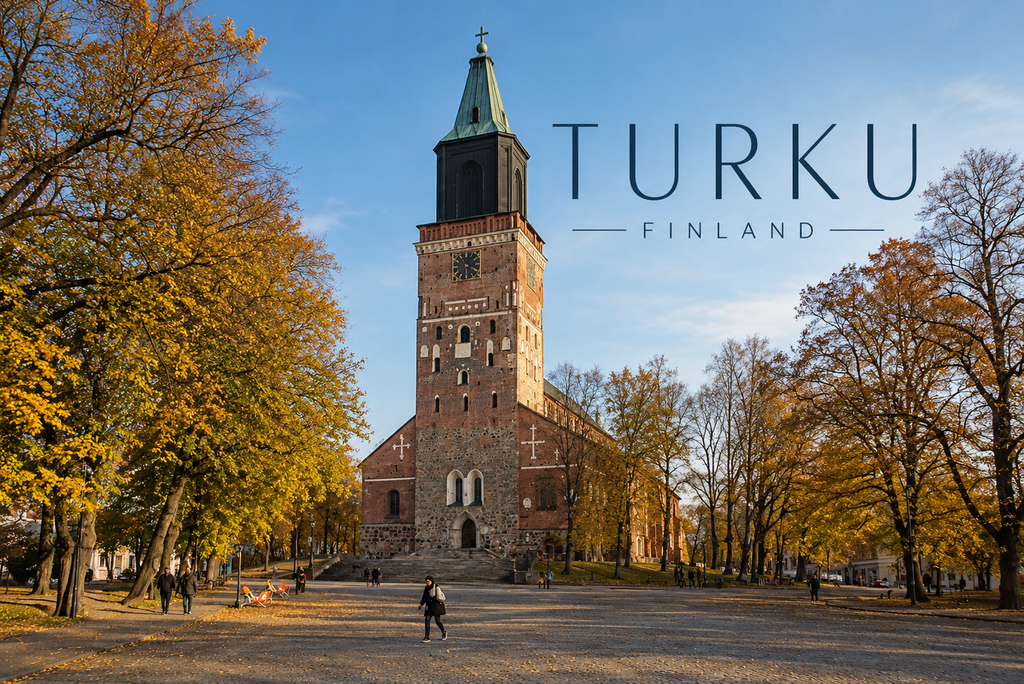
Summer is the obvious season because of Finland’s long northern days. You can spend the morning visiting historical attractions before having dinner beside the river while daylight stretches late into the evening. Turku has also appeared in recent recommendations for travellers searching for European destinations with lower search interest and fewer crowds. The surrounding archipelago makes the destination even more interesting. Ferries, bridges, islands, cycling routes, and seaside villages make it possible to combine a city break with nature. For travellers who enjoy cooler summer weather, Turku can be an excellent alternative to southern Europe’s hotter capitals.
12. Syros, Greece
Santorini and Mykonos dominate many Greek island itineraries, but Syros offers a fascinating alternative. Ermoupoli, the island’s capital, feels more like an elegant Mediterranean city than the typical whitewashed Cycladic village. Neoclassical buildings, colourful mansions, marble squares, and waterfront cafés create a noticeably different atmosphere from neighbouring islands.
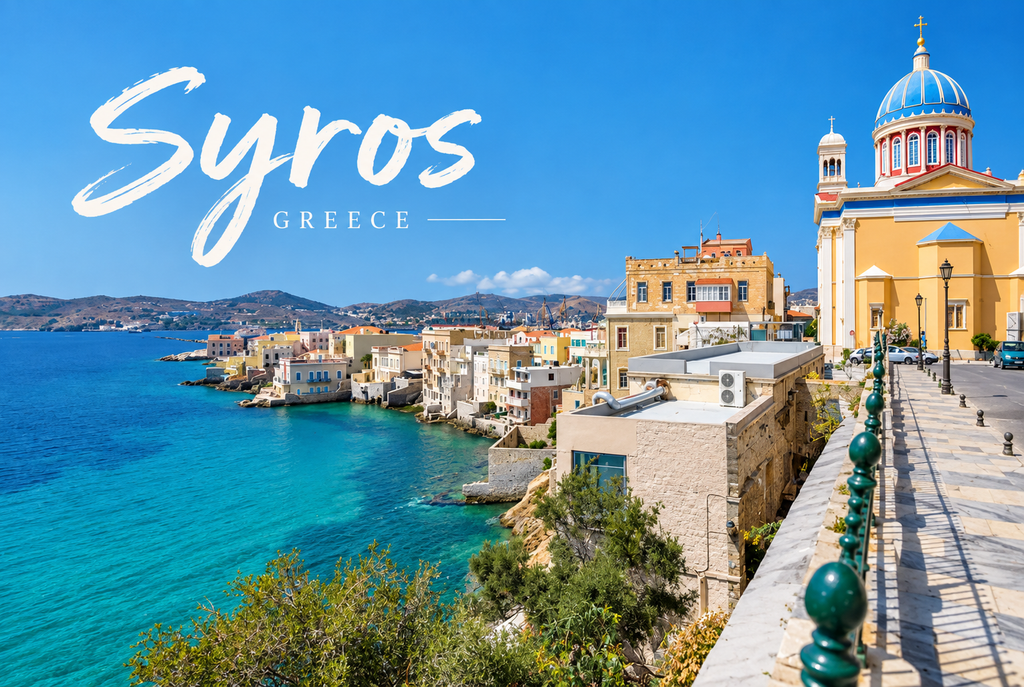
Syros also has beaches, traditional villages, walking routes, and plenty of opportunities to enjoy Greek food without designing the entire trip around nightlife. Recent travel research has identified Syros among European islands gaining increased traveller interest. June and September would be my preferred months because the weather is warm enough for swimming without the intensity of the busiest midsummer period. Anyone interested in discovering the best hidden gems in Europe should look beyond the destinations appearing repeatedly on social media. Syros demonstrates how much variety exists even within a famous island group such as the Cyclades.
13. Kravica Waterfalls, Bosnia and Herzegovina
Bosnia and Herzegovina contains some of the Balkans’ most impressive natural scenery, and Kravica Waterfalls are among its highlights. Multiple cascades tumble over a wide limestone formation into an emerald-coloured pool surrounded by greenery, creating an environment that feels surprisingly tropical during the warmer months.
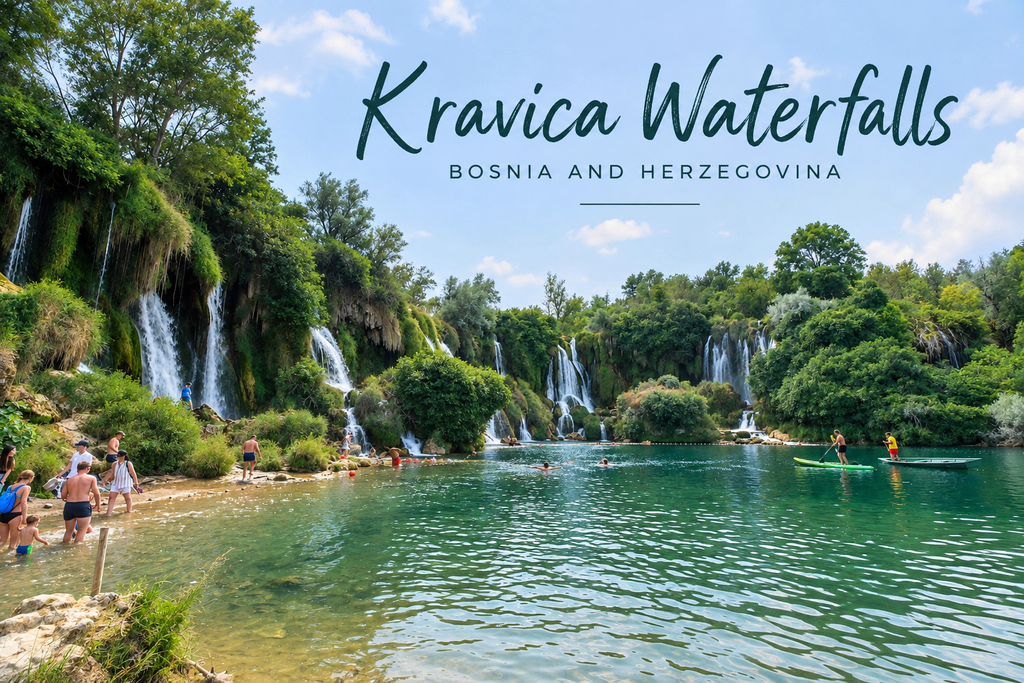
Late spring offers strong water flow and lush scenery, while summer is popular for visitors wanting to cool off near the water. Early autumn can provide pleasant temperatures and fewer people. Kravica is often combined with Mostar, but I would allow enough time that the waterfalls do not become simply another photo stop. The surrounding Herzegovina region contains historic villages, vineyards, monasteries, rivers, and dramatic karst landscapes that deserve further exploration. Combining these places turns a famous day trip into a much richer journey through one of southeastern Europe’s most interesting regions.
14. Pelion Peninsula, Greece
The Pelion Peninsula stretches between the Pagasetic Gulf and the Aegean Sea, combining forested mountains, stone villages, hiking trails, and remarkably clear beaches. It is one of those rare destinations where you can spend the morning walking through cool woodland and the afternoon swimming in bright blue water.
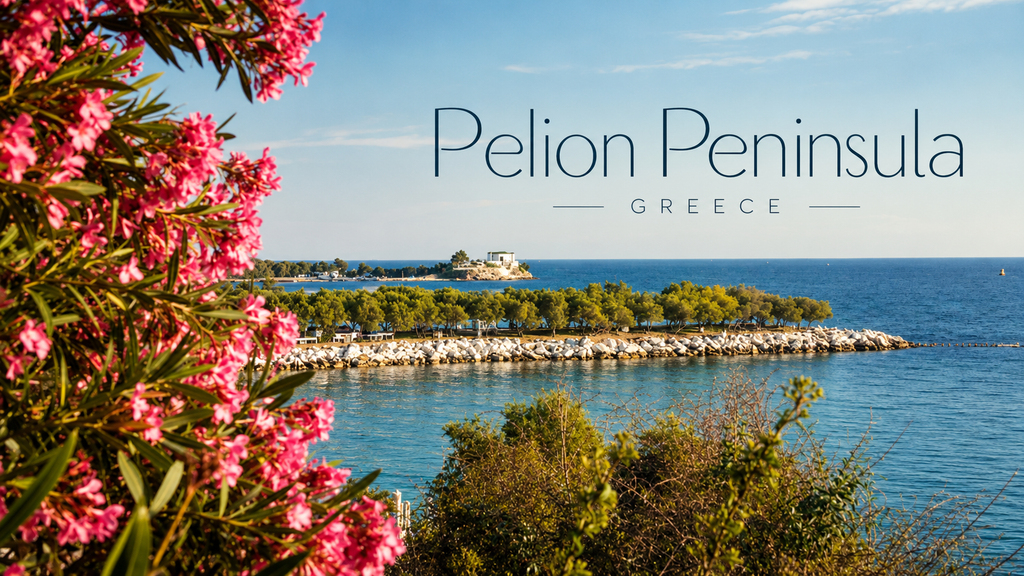
Villages such as Makrinitsa and Tsagarada offer traditional architecture, shaded squares, and sweeping views, while beaches around the peninsula range from sheltered coves to dramatic Aegean stretches of sand and pebbles. Lonely Planet has recently highlighted the Pelion Peninsula as one of Europe’s less obvious summer escapes. I would consider renting a car here because the freedom to move between villages, viewpoints, and beaches is a major part of the experience. May, June, September, and early October are especially attractive for travellers who want both outdoor activities and pleasant swimming conditions.
15. Porto Santo, Portugal
Most visitors heading toward Portugal’s Madeira archipelago focus on Madeira itself, but nearby Porto Santo offers a very different experience. The island is particularly famous for its long stretch of golden sand, contrasting dramatically with Madeira’s mountainous volcanic scenery.
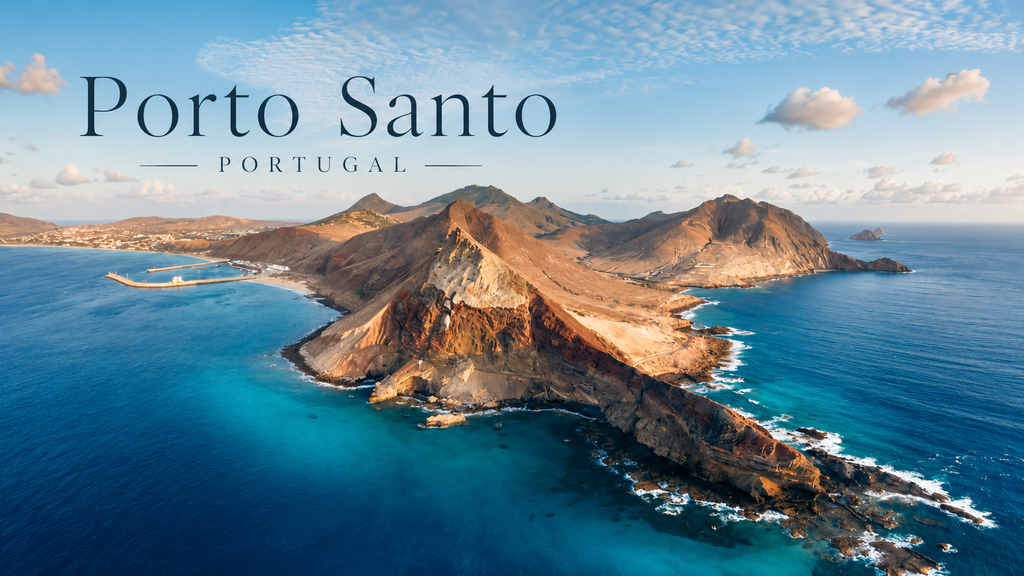
Porto Santo suits travellers who want relaxation rather than a packed sightseeing schedule. Spend mornings walking along the beach, explore the island by car or bicycle during the afternoon, and finish the day watching the Atlantic sunset. Recent travel research has pointed to Porto Santo as one of the European islands experiencing growing interest among travellers looking beyond established destinations. Spring and autumn are particularly attractive because the climate remains mild while visitor numbers are generally lower than during the heart of summer. Of all the hidden gems in Europe on this list, Porto Santo may be one of the easiest places to simply slow down.
How to Choose Between These Hidden Gems in Europe
Choosing a destination depends less on which place is objectively “best” and more on the type of trip you want.
For beaches and warm weather, consider Porto Santo, Syros, Pelion, or Montenegro’s Bay of Kotor. If food and wine are your priorities, the Vipava Valley, Motovun, Monsaraz, and northern Italy are especially appealing.
For medieval atmosphere, Albarracín, Pérouges, Gjirokastër, and Tübingen provide beautiful historic streets without requiring an itinerary filled with major attractions. Nature lovers may prefer Kravica Waterfalls, Pelion, the Slovenian countryside, or Finland’s Turku Archipelago.
Season also matters. Southern European destinations can become extremely hot in July and August, making May, June, September, and October increasingly appealing. Northern destinations such as Finland are at their liveliest during summer, while mountain and medieval towns can become surprisingly beautiful during the colder months.
Best Seasons for Exploring Hidden Gems in Europe
Spring — March to May: One of the best periods for southern and central Europe. Expect flowers, greener landscapes, milder temperatures, and generally fewer visitors than summer.
Summer — June to August: Best for beaches, islands, Scandinavian destinations, hiking at higher elevations, and exploring some of the best places to travel in July.
Autumn — September to November: Excellent for vineyards, food-focused travel, photography, hiking, and cities. September in particular often combines warm weather with fewer peak-season visitors.
Winter — December to February: Ideal for atmospheric medieval towns, snow destinations, Christmas markets, skiing, and travellers more interested in culture than beaches.
Tips for Visiting Lesser-Known European Destinations
Travelling beyond the major tourist circuit requires slightly more planning, but that is part of the experience.
Renting a car can be worthwhile in regions such as Vipava, Pelion, Istria, Alentejo, and rural Spain, where public transportation may be less frequent. When possible, stay overnight rather than arriving only on a day trip. Many small destinations feel completely different early in the morning or after tour groups leave.
Support local businesses by staying in locally owned accommodations, eating at independent restaurants, visiting regional markets, and booking local guides. Learning a few basic phrases in the local language can also make interactions more enjoyable.
And perhaps most importantly, avoid trying to see too much. The appeal of these hidden gems in Europe often comes from their slower rhythm rather than an enormous checklist of attractions.
Why Europe’s Hidden Places Are Worth Discovering
Europe’s famous destinations became famous for good reasons, and there is nothing wrong with seeing the Eiffel Tower, walking through Rome, sailing through Venice, or visiting Barcelona. But travelling becomes especially interesting when familiar destinations are mixed with places you knew almost nothing about before arriving.
The hidden gems in Europe featured here offer mountains, islands, vineyards, waterfalls, medieval streets, lakes, beaches, and historic communities without requiring you to follow the same route as millions of other visitors. They also reveal just how diverse Europe becomes once you travel beyond its capitals and major tourist corridors.
Personally, some of my favourite travel moments are rarely the attractions I planned months in advance. They are the unexpected village café, an empty viewpoint at sunset, a road through vineyards, a quiet waterfront in the morning, or a conversation with someone who lives there. Exploring the best hidden gems in Europe creates more opportunities for exactly those moments.
If your next European trip has space for somewhere unfamiliar, choose at least one destination that you had never seriously considered before. The continent’s famous cities will always be there, but discovering its quieter corners may be what you remember most.