
Japan is a country where futuristic cities, ancient traditions, dramatic mountains, quiet villages, subtropical islands, and centuries-old temples somehow exist side by side. While Tokyo, Kyoto, Osaka, and Mount Fuji deserve their popularity, some of the most memorable hidden gems in Japan are found well beyond the classic tourist route. Venture into rural valleys, remote islands, pottery towns, forest-covered mountains, and small coastal communities, and Japan begins to feel completely different. These quieter destinations offer opportunities to meet local people, experience regional food, explore landscapes without huge crowds, and understand traditions that can be difficult to appreciate when rushing between major cities. Japan’s national tourism organization itself encourages travelers to go beyond the established “Golden Route” to discover lesser-visited regions across the country.
Japan is also remarkably rewarding throughout the year. Spring brings cherry blossoms and mild hiking weather, summer turns mountain valleys intensely green and opens beaches across the country’s islands, autumn covers forests and temple grounds in brilliant reds and golds, while winter transforms northern towns and mountain villages with deep snow. This variety makes Japan ideal for travelers who want something more personal than a checklist of famous attractions. Whether your idea of adventure involves hiking through ancient cedar forests, sleeping in a traditional farmhouse, exploring pottery workshops, relaxing beside a quiet sea, or wandering through a village where modern development seems far away, there are plenty of unique places to visit in Japan waiting beyond the obvious stops.
If you are still deciding where Japan fits into your future travel plans, our guide to the best places to travel in 2027 includes Japan among the destinations worth considering.
Quick List of Hidden Gems in Japan
For travelers who want to move beyond Tokyo, Kyoto, and Osaka, these destinations offer a fascinating mixture of scenery, history, food, outdoor activities, and local culture:
- Gokayama, Toyama Prefecture – Historic mountain villages and traditional farmhouses
- Iya Valley, Tokushima Prefecture – Deep gorges, vine bridges, mountains, and hot springs
- Sado Island, Niigata Prefecture – Coastal scenery, rice terraces, history, and traditional arts
- Arita and Imari, Saga Prefecture – Historic Japanese porcelain towns
- Yakushima, Kagoshima Prefecture – Ancient cedar forests and dramatic hiking trails
- Goto Islands, Nagasaki Prefecture – Remote beaches, island villages, and fascinating history
- Wazuka, Kyoto Prefecture – Rolling tea plantations in rural Kyoto
- Ouchi-juku, Fukushima Prefecture – Traditional thatched-roof mountain village
- Shodoshima, Kagawa Prefecture – Olive groves, coastal scenery, and island life
- Oki Islands, Shimane Prefecture – Wild coastlines, cliffs, hiking, and remote communities
These Japan hidden gems work especially well for travelers who have already experienced the country’s major cities, but many are equally rewarding for first-time visitors willing to build a slower itinerary.
1. Gokayama, Toyama Prefecture: One of the Most Atmospheric Hidden Gems in Japan
Deep in the mountains of Toyama Prefecture, Gokayama feels worlds apart from Japan’s neon-lit cities. The villages of Ainokura and Suganuma are known for their distinctive gassho-zukuri farmhouses, whose steep thatched roofs were designed to handle the heavy snowfall of the region. Together with nearby Shirakawa-go, the historic settlements form a UNESCO World Heritage area. Because Gokayama generally receives less attention than its famous neighbor, it can offer a calmer way to appreciate the architecture and mountain scenery. JNTO specifically recommends Gokayama as an alternative for travelers interested in traditional thatched villages.
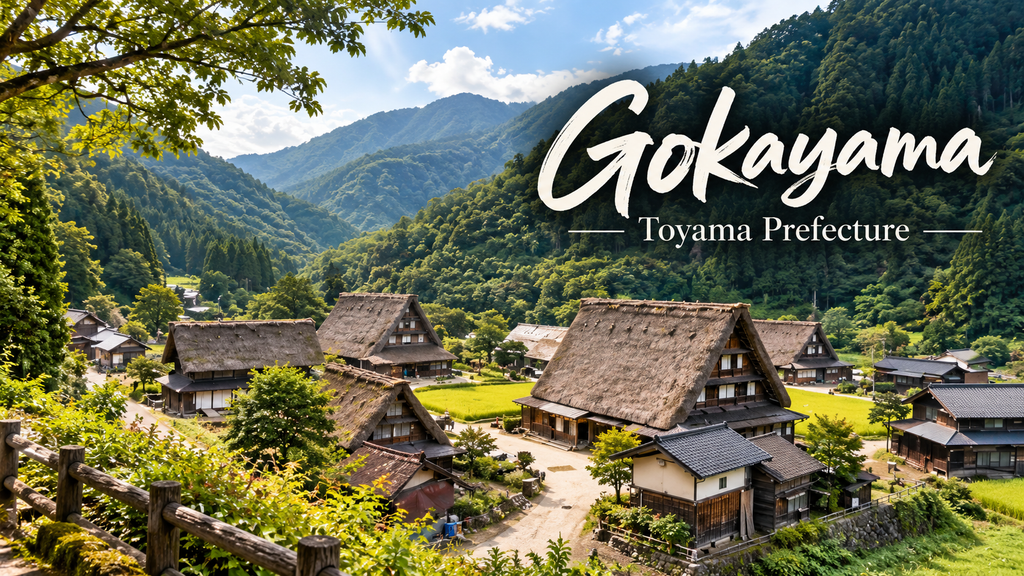
I find places like Gokayama especially appealing because the journey itself becomes part of the experience. Rather than stepping off a train into another busy city, you gradually enter a landscape dominated by mountains, forests, rivers, and old farmhouses. Winter is perhaps the most dramatic season, when thick snow turns the villages into something resembling an old Japanese painting. Autumn is equally beautiful as the surrounding mountains change color, while spring and summer make walking through the countryside more comfortable. Among the hidden gems in Japan, Gokayama is particularly worthwhile for photographers, slow travelers, history lovers, and anyone interested in seeing how rural communities adapted their architecture to the natural environment.
Best time to visit Gokayama
October to November for autumn colors and January to February for snowy scenery. Spring and early summer are excellent for greener landscapes and more comfortable walking.
2. Iya Valley, Tokushima: Japan Deep in the Mountains
Hidden among the mountains of Shikoku, the Iya Valley is the sort of destination that changes your mental picture of Japan. Instead of skyscrapers and high-speed trains, expect steep mountainsides, narrow roads, forest-covered gorges, small settlements, hot springs, and the famous vine bridges known as kazurabashi. The area has long been associated with isolation, and parts of the valley still feel wonderfully remote. For travelers interested in off the beaten path Japan, this is one of the strongest destinations to consider.
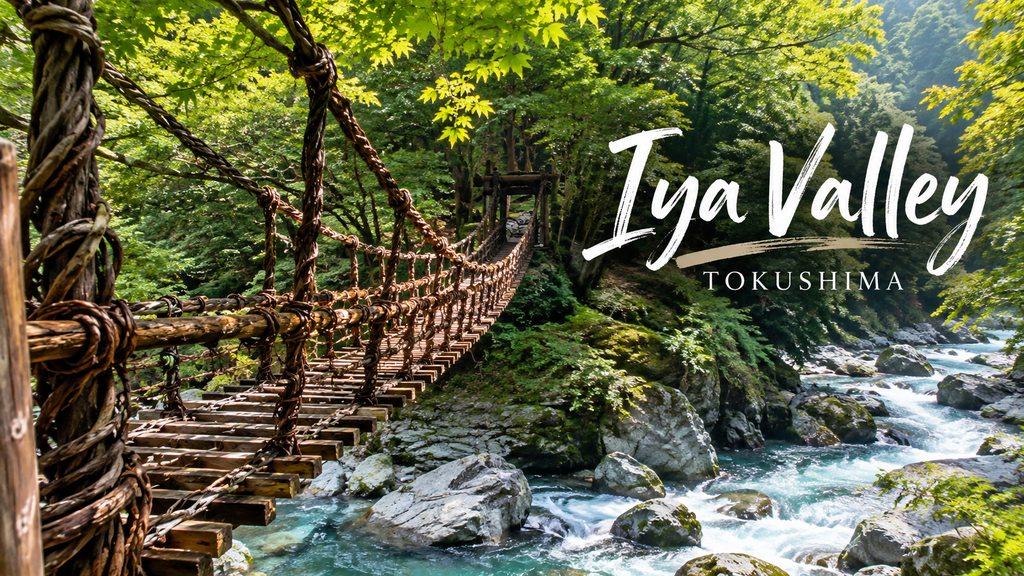
The landscape is especially impressive in autumn, when the mountains explode with color, although summer creates a completely different atmosphere as the forests become intensely green. I would allow at least two days here rather than trying to squeeze the valley into a rushed day trip. Spending a night in a traditional inn or mountain accommodation gives you time to experience the silence after daytime visitors leave. The Iya Valley is one of those hidden gems in Japan where doing less can actually make the trip better: enjoy the scenery, cross a vine bridge, soak in an onsen, eat local soba, and simply let the mountains set the pace.
The official Iya Valley travel guide provides additional information about the region’s vine bridges, mountain scenery, hot springs and transportation options.
Best time to visit Iya Valley
April to May for comfortable temperatures and spring greenery or October to November for spectacular autumn foliage.
3. Sado Island, Niigata: Wild Coastlines and Traditional Culture
Sitting in the Sea of Japan off the coast of Niigata Prefecture, Sado Island combines dramatic scenery with an unusually layered history. The island was historically used as a place of exile for prominent figures, while later becoming associated with gold mining, performing arts, agriculture, and the conservation of the Japanese crested ibis. Today, visitors can explore winding coastal roads, rice terraces, beaches, mountain landscapes, small fishing communities, and traditional inns. JNTO describes Sado as a lesser-known island getaway with beaches, rice paddies, hiking, swimming, scenic roads, and ryokan accommodation.
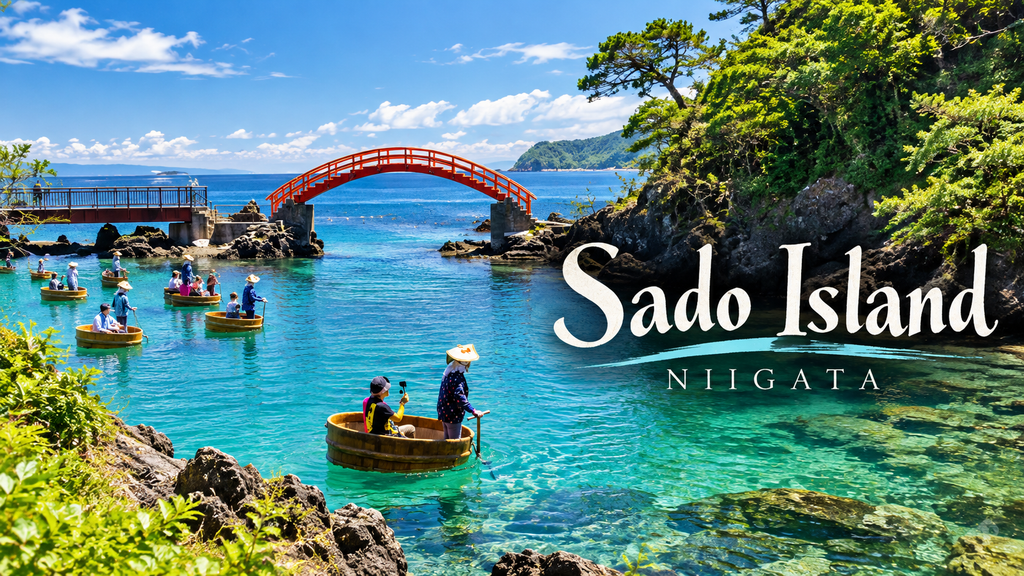
What appeals to me most about Sado is that it feels large enough to explore rather than simply visit. Renting a car allows you to move from coastlines to rice-growing areas and quiet villages at your own pace. Stay overnight and the island reveals another side after the day-trippers disappear. Local rice and sake are also an important part of the experience, making Sado one of the underrated places in Japan for travelers interested in food as much as scenery. Among the hidden gems in Japan, Sado is particularly suited to people who enjoy road trips and destinations where the attractions are spread across an entire landscape rather than concentrated around one famous landmark.
Best time to visit Sado Island
May through October offers the easiest conditions for exploring. Summer is suitable for beaches and swimming, while early autumn combines pleasant temperatures with beautiful rural scenery.
4. Arita and Imari, Saga: Historic Pottery Towns in Kyushu
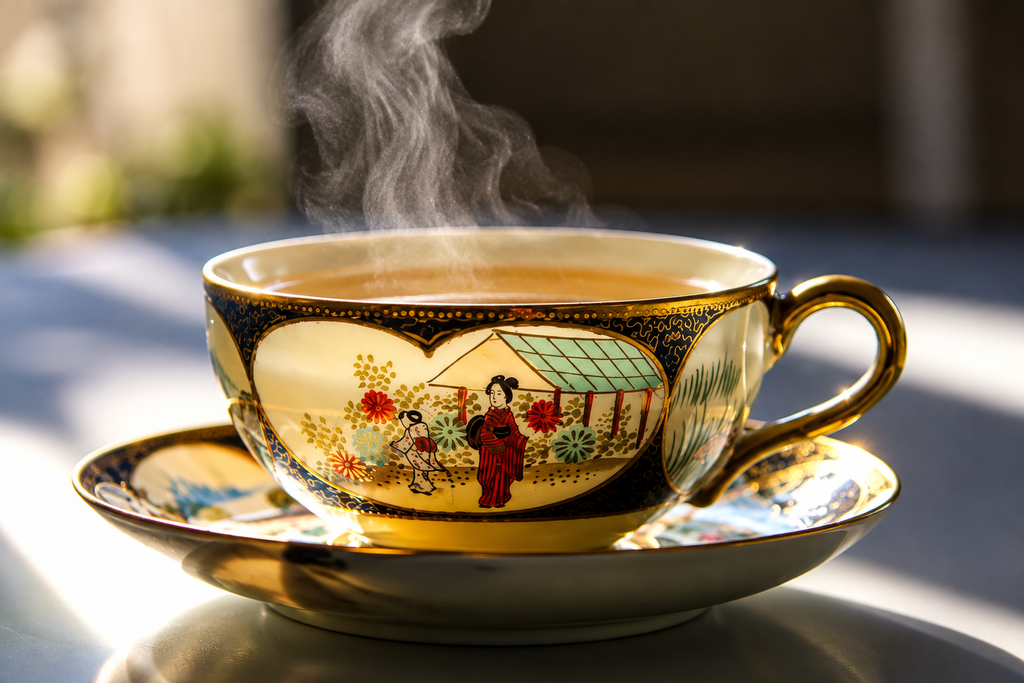
For travelers interested in Japanese craftsmanship, Arita and Imari in Saga Prefecture offer something very different from the temples and castles commonly associated with Japan. Arita is particularly famous for porcelain production, with centuries of ceramic history embedded throughout the town. Kilns, workshops, galleries, ceramic shops, and historic streets create an environment where craftsmanship still feels connected to everyday life. JNTO highlights Arita and Imari among lesser-known destinations and describes the region as historically important to Japanese porcelain production.
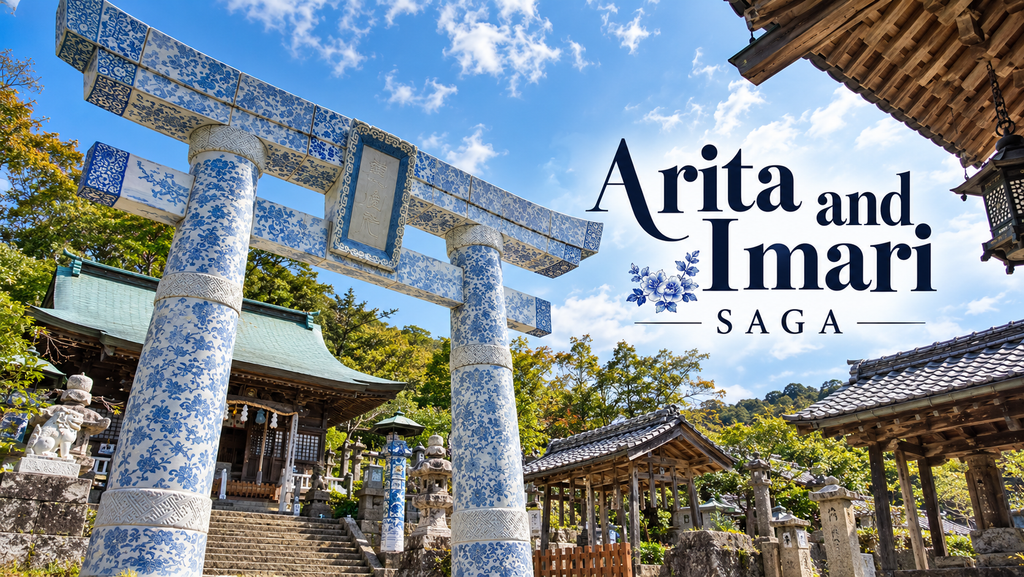
These towns demonstrate why searching for secret places in Japan does not necessarily mean finding somewhere completely unknown. Sometimes the real discovery is visiting a place deeply important to Japanese culture that international travelers simply tend to overlook. I would spend time browsing smaller pottery shops instead of rushing between major attractions. Even if you know little about ceramics, watching how regional traditions developed can make you appreciate Japanese design in a completely new way. Arita and Imari deserve a place among the hidden gems in Japan because the experience feels highly specific—you could not simply substitute another Japanese town and receive quite the same combination of artistic heritage, architecture, workshops, and local identity.
Best time to visit Arita and Imari
Spring and autumn are particularly comfortable. Late April to early May is especially lively around Arita’s famous pottery events, while autumn provides cooler temperatures for walking.
5. Yakushima, Kagoshima: Ancient Forests and Moss-Covered Trails
Yakushima is an island where nature feels almost prehistoric. Located south of Kyushu, it is famous for its extraordinarily lush forests, giant cedar trees, moss-covered rocks, mountains, rivers, waterfalls, and challenging hiking trails. JNTO describes Yakushima as a lesser-known destination dominated by green landscapes where moss covers much of the terrain and ancient cedars have grown for extremely long periods.
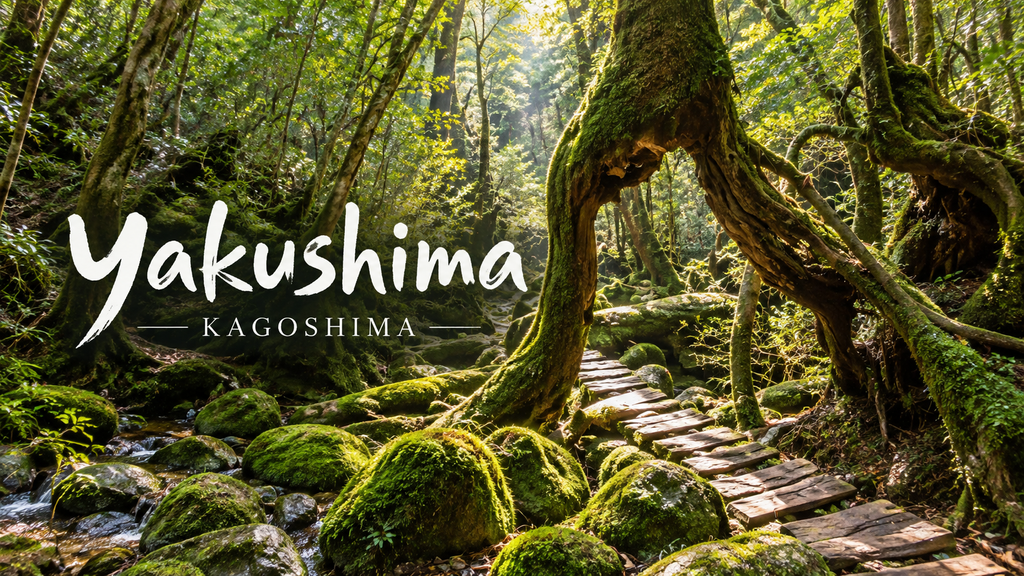
Walking through Yakushima is one of those experiences where photos struggle to capture the atmosphere. Rain and mist can actually make the forest more beautiful, turning everything deep green and giving the trails an almost mythical quality. I would not visit expecting perfect sunshine every day; instead, waterproof clothing and flexible plans make the experience much easier. For travelers searching for unique places to visit in Japan, Yakushima offers a dramatic contrast to Japan’s urban attractions. It is easily one of the most memorable hidden gems in Japan for hikers, photographers, nature enthusiasts, and anyone who enjoys destinations where the landscape—not shopping streets or nightlife—is the main attraction.
Best time to visit Yakushima
March to May and October to November can offer good hiking conditions. Summer is warmer and greener but can be humid and wet. Weather changes quickly, so rain gear is useful in practically every season.
6. Goto Islands, Nagasaki: Beaches, Churches and Remote Island Life
Far west of Nagasaki lies the Goto Archipelago, a chain of islands surrounded by remarkably clear water. White-sand beaches, rugged coastal scenery, fishing communities, historic churches, and quiet roads make these islands feel far removed from mainland Japan. The islands also have an important connection with the history of Christianity in Japan, particularly communities that preserved their faith during periods when Christianity was prohibited. JNTO includes the Goto Archipelago among Japan’s lesser-known adventure destinations and highlights its beaches, warm waters, remote setting, and distinctive history.
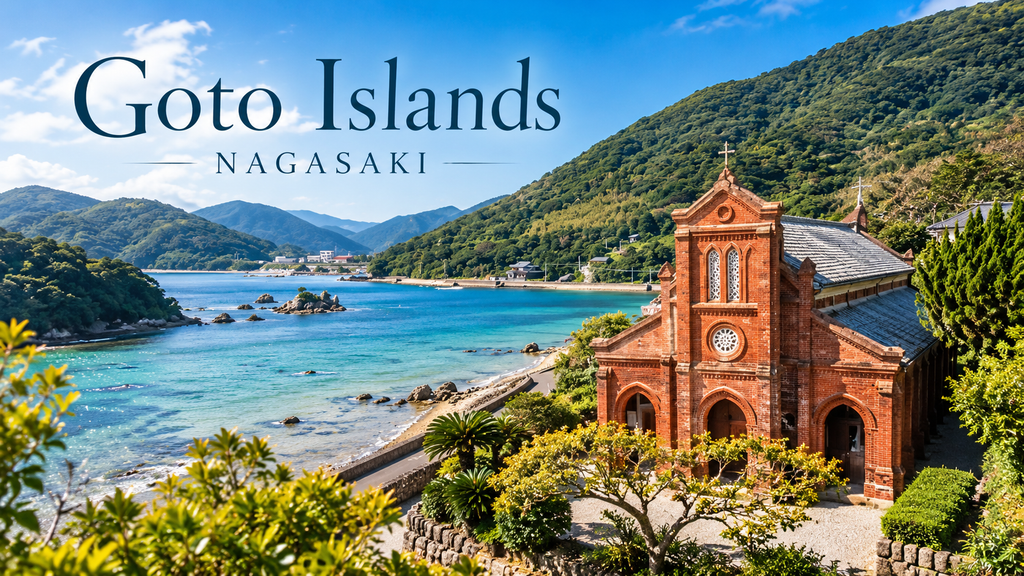
This is the sort of destination I would choose when I wanted several days away from crowded sightseeing schedules. Rent a car or bicycle, stop at isolated beaches, explore small villages, and allow enough time for ferry connections rather than trying to move too quickly. The warmer months are excellent for swimming and coastal activities, although spring and autumn provide more comfortable temperatures for sightseeing. The Goto Islands represent Japan off the beaten track at its best: culturally interesting, naturally beautiful and distant enough to feel like a genuine journey. They are among the hidden gems in Japan that can completely surprise travelers who imagine the country primarily as mountains, temples, and densely populated cities.
Best time to visit the Goto Islands
May to June and September to October offer a useful balance of warm weather and outdoor possibilities. July and August are best if beaches and swimming are the priority.
7. Wazuka, Kyoto: Tea Fields Far Beyond Central Kyoto
Kyoto may be one of the most visited destinations in Japan, but Kyoto Prefecture extends far beyond the temple districts most international tourists know. Wazuka, located in southern Kyoto Prefecture, is surrounded by rolling hills covered with carefully cultivated tea fields. This region forms part of what JNTO promotes as “Another Kyoto,” encouraging travelers to explore Kyoto Tea Country and other less-visited areas outside the famous city center.
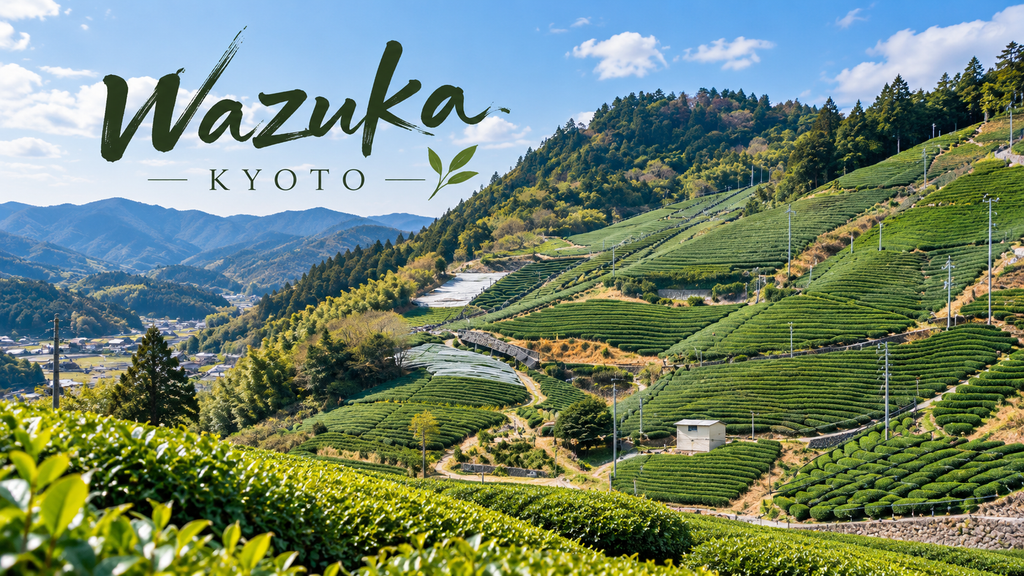
Seeing tea growing across entire hillsides creates a very different connection with something most visitors experience only in a cup. Travelers can explore the rural scenery, learn more about tea cultivation and discover how strongly agriculture influences the culture and cuisine of the region. When I think about Japan hidden gems, Wazuka stands out because it does not require traveling to the farthest corner of the country. You can add it to a Kyoto itinerary while still seeing a dramatically quieter side of the prefecture. It is another example of why some of the best hidden gems in Japan can exist surprisingly close to major tourist destinations.
Best time to visit Wazuka
Late spring through early summer provides vibrant tea-field scenery, while autumn brings comfortable temperatures and attractive countryside colors.
8. Ouchi-juku, Fukushima: A Village from Another Era
Ouchi-juku is a historic post town in Fukushima Prefecture characterized by traditional thatched-roof houses lining its main street. During Japan’s Edo period, routes like this connected important regions and provided lodging and services to travelers. Today the preserved townscape offers visitors a glimpse of a Japan that existed long before bullet trains and modern highways transformed travel across the country.
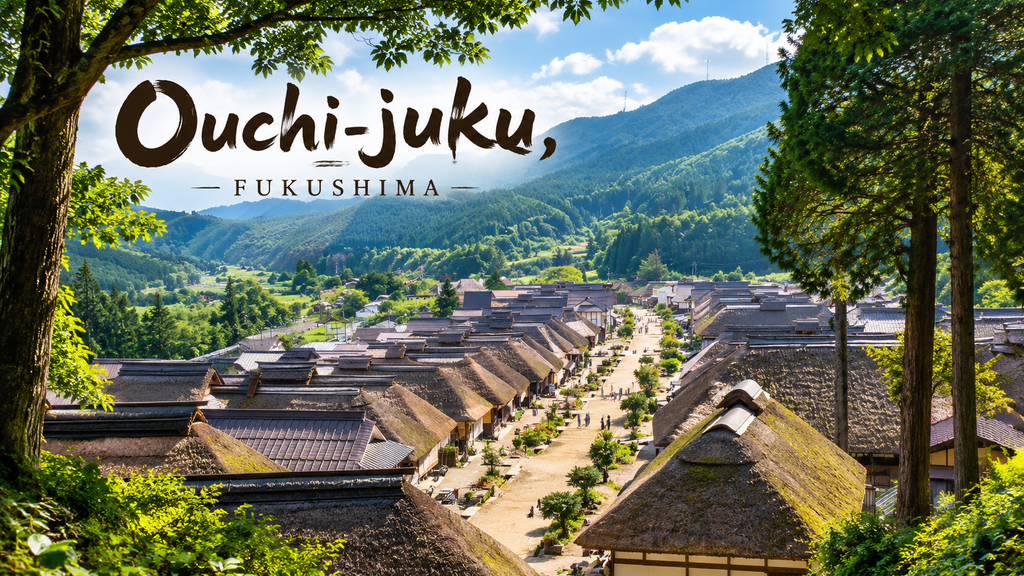
Winter may be the village’s most atmospheric season. Thick snow settles on the roofs and surrounding mountains, making the entire settlement feel dramatically removed from modern Japan. Autumn is another excellent choice, especially if you want easier transportation and colorful landscapes. I would try to stay in the wider region rather than rushing back to Tokyo immediately; Fukushima has hot springs, mountains and countryside that deserve more time. Ouchi-juku belongs among the hidden gems in Japan because it combines history and scenery in a setting that is easy to understand visually the moment you arrive. It is also one of the more accessible options for travelers looking for underrated places in Japan north of Tokyo.
Best time to visit Ouchi-juku
February for snowy scenery or October to November for autumn colors. Spring offers quieter conditions and comfortable walking temperatures.
9. Shodoshima, Kagawa: Mediterranean Scenery in the Seto Inland Sea
Shodoshima sits in the Seto Inland Sea and feels different from almost anywhere else in Japan. The island is known for olive cultivation, coastal landscapes, traditional food production, beaches, mountain scenery and a relaxed atmosphere. It is large enough to reward a multi-day visit but compact enough to explore comfortably by car.
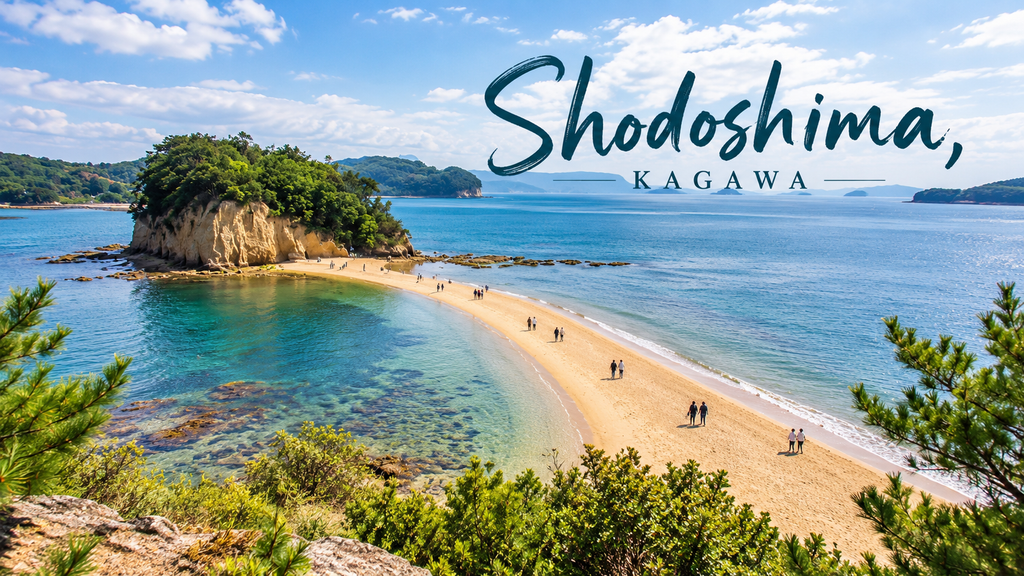
What I like about destinations such as Shodoshima is the combination of activities. You can begin the morning overlooking the sea, spend the afternoon exploring villages or mountain scenery and finish the day eating food produced on the island. It makes a refreshing break from itineraries dominated by train stations and major cities. Travelers looking for Japan hidden gems should also consider combining Shodoshima with other destinations around the Seto Inland Sea. The region shows just how varied Japanese island travel can be. For couples, photographers, families and slow travelers, Shodoshima is one of the hidden gems in Japan worth spending at least two nights exploring.
Best time to visit Shodoshima
April to May and October to November provide pleasant weather for sightseeing, cycling, and walking. Summer works well for travelers interested in beaches but tends to be hotter and more humid.
10. Oki Islands, Shimane: One of Japan’s Most Remote Escapes
The Oki Islands, located in the Sea of Japan off Shimane Prefecture, offer towering sea cliffs, unusual rock formations, open grasslands, coastal hiking, clear water, shrines, small communities, and landscapes shaped by volcanic activity. Getting there requires more planning than visiting Japan’s major cities, but that effort is exactly what keeps the islands feeling comparatively peaceful.
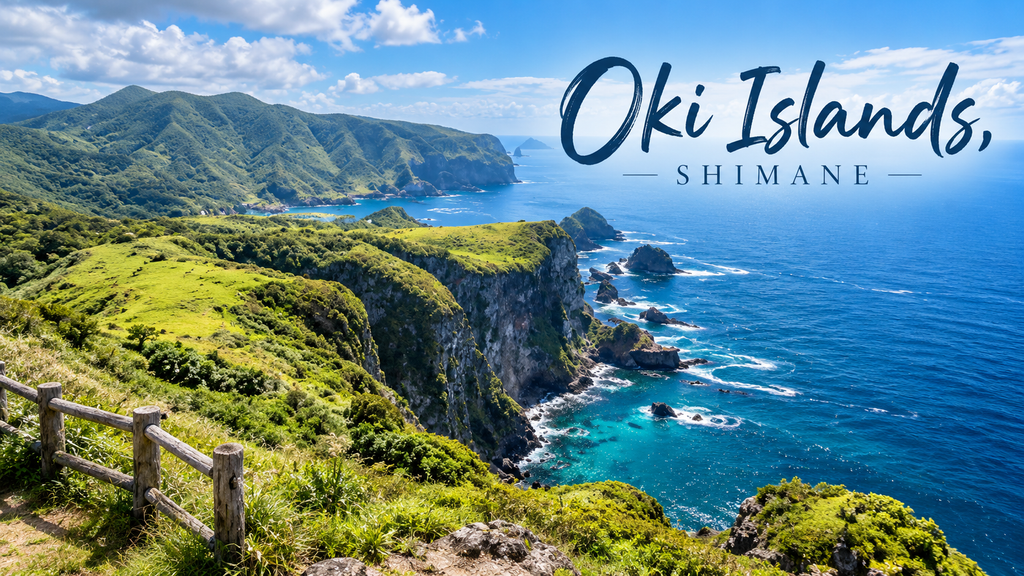
For me, destinations like Oki represent the real appeal of seeking out hidden gems in Japan. You are not simply trying to avoid tourists; you are giving yourself a reason to travel more slowly and engage with landscapes and communities that do not revolve entirely around international tourism. Spend several days hiking, driving between viewpoints, exploring coastal areas, and trying local seafood rather than treating the islands as another sightseeing checklist. Travelers who genuinely want underrated places in Japan will find that the Oki Islands provide the sense of discovery many people hope for when planning a more adventurous Japanese itinerary.
Best time to visit the Oki Islands
May to June and September to October are excellent for hiking and outdoor exploration. Summer is suitable for swimming and marine activities, while winter transportation and weather can be more challenging.
How to Plan a Trip Around Japan’s Lesser-Known Destinations
Exploring regional Japan requires slightly different planning than traveling between Tokyo, Kyoto, and Osaka. Japan’s major cities are exceptionally well connected by rail, but remote destinations may involve buses, ferries, domestic flights, rental cars, or local trains that operate less frequently. This is part of the appeal of hidden gems in Japan, but it also means you should avoid building an itinerary with every hour tightly scheduled.
Give yourself more time than online maps suggest. A three-hour journey through rural Japan can easily become one of the best parts of the trip when mountains, coastlines, villages, and farms pass outside the window. Staying overnight also supports local accommodations and gives you a better chance of seeing towns after day visitors leave.
Consider these practical tips:
- Stay at least two nights in remote regions whenever possible.
- Check local transportation schedules in advance, especially buses and ferries.
- Consider renting a car on islands and in mountainous regions.
- Carry some cash, particularly when visiting small rural businesses.
- Pack for changing weather, especially in mountainous or forested destinations.
- Book popular rural accommodation early during autumn foliage, cherry blossom season and major holidays.
- Travel with lighter luggage if your route includes buses, ferries, or traditional inns.
- Learn a few basic Japanese phrases, which can be especially helpful outside large tourist centers.
JNTO also highlights countryside stays—including farm, mountain and fishing villages—as a way to experience everyday rural Japanese life rather than seeing the country exclusively through traditional tourist attractions.
Which Season Is Best for Exploring Hidden Japan?
Spring: March to May
Spring is one of the easiest seasons for regional travel. Temperatures are generally comfortable in much of the country, flowers begin appearing, and hiking becomes increasingly pleasant as mountain snow melts. Cherry blossoms also arrive at different times depending on latitude and elevation, so travelers willing to move beyond famous viewing locations can enjoy a broader range of spring scenery.
The downside is popularity. Late March through early April can be extremely busy in major destinations, making this an especially good period to explore smaller towns and rural areas instead.
Summer: June to August
Summer brings intense greenery, mountain hiking, island travel, festivals and excellent swimming conditions in southern Japan. However, humidity can be high, particularly in July and August.
This is a great season for Yakushima, the Goto Islands, Shodoshima and other coastal destinations if you enjoy warm weather. Higher-elevation destinations can also provide relief from the heat of major cities.
Autumn: September to November
If I had to choose one season for a long journey through regional Japan, autumn would be difficult to beat. Comfortable temperatures and changing foliage make mountainous areas particularly beautiful.
Places such as Iya Valley, Gokayama and rural Fukushima become spectacular during this period. Autumn is also excellent for road trips, hiking and countryside photography.
Winter: December to February
Winter reveals another side of Japan entirely. Heavy snowfall transforms mountainous villages while northern Japan offers skiing, winter festivals, frozen landscapes and hot springs surrounded by snow.
Travel can require more planning, but travelers prepared for cold conditions may discover some of the country’s most atmospheric scenery.
Why Explore Japan Beyond Tokyo and Kyoto?
Tokyo and Kyoto are extraordinary, and visiting lesser-known Japan does not mean skipping them. The goal is simply to expand the experience. The established Tokyo-Kyoto-Osaka route provides an excellent introduction to Japan, but JNTO notes that many rewarding destinations lie beyond this heavily traveled corridor.
Going beyond it also creates a slower kind of trip. Instead of constantly searching for the next famous landmark, you begin noticing smaller details: the smell of cedar inside an old farmhouse, steam rising from an outdoor hot spring, fishing boats returning to an island harbor, tea fields covering a hillside, or an elderly shopkeeper carefully wrapping something you purchased.
Those moments often become surprisingly powerful travel memories.
The most rewarding hidden gems in Japan are not necessarily places no one has ever heard of. They are destinations where the local landscape, food, culture, history and everyday life remain a larger part of the experience than the tourist crowds surrounding them.
Final Thoughts: Finding Your Own Hidden Gems in Japan
Japan rewards curiosity. The country’s famous destinations deserve their reputations, but stopping your journey there means seeing only one version of Japan. Gokayama’s mountain farmhouses, the mysterious forests of Yakushima, Iya’s deep valleys, Sado’s rice terraces, Kyushu’s pottery towns and remote island communities demonstrate how dramatically the country changes once you move beyond its major urban centers.
The best way to explore hidden gems in Japan is not necessarily to pack more places into your itinerary. In fact, I would do the opposite. Pick two or three lesser-known regions, stay longer, travel slowly and leave some space for unexpected discoveries. JNTO’s own regional travel guidance emphasizes that places beyond the traditional tourist route can reveal very different sides of the country, from remote islands and mountain communities to overlooked prefectures and countryside experiences.
That is where the real magic of Japan off the beaten track begins. You may arrive because you saw a beautiful waterfall, forest or village online, but you often remember something much simpler: a quiet morning walk, a meal prepared from regional ingredients, a conversation with a local resident, or the feeling of having nowhere else you need to be.
And for travelers willing to look beyond the obvious, Japan still has plenty of places capable of delivering exactly that.